
The Kentucky Derby Was a Historic Latino Moment, Even if Most Headlines Missed It
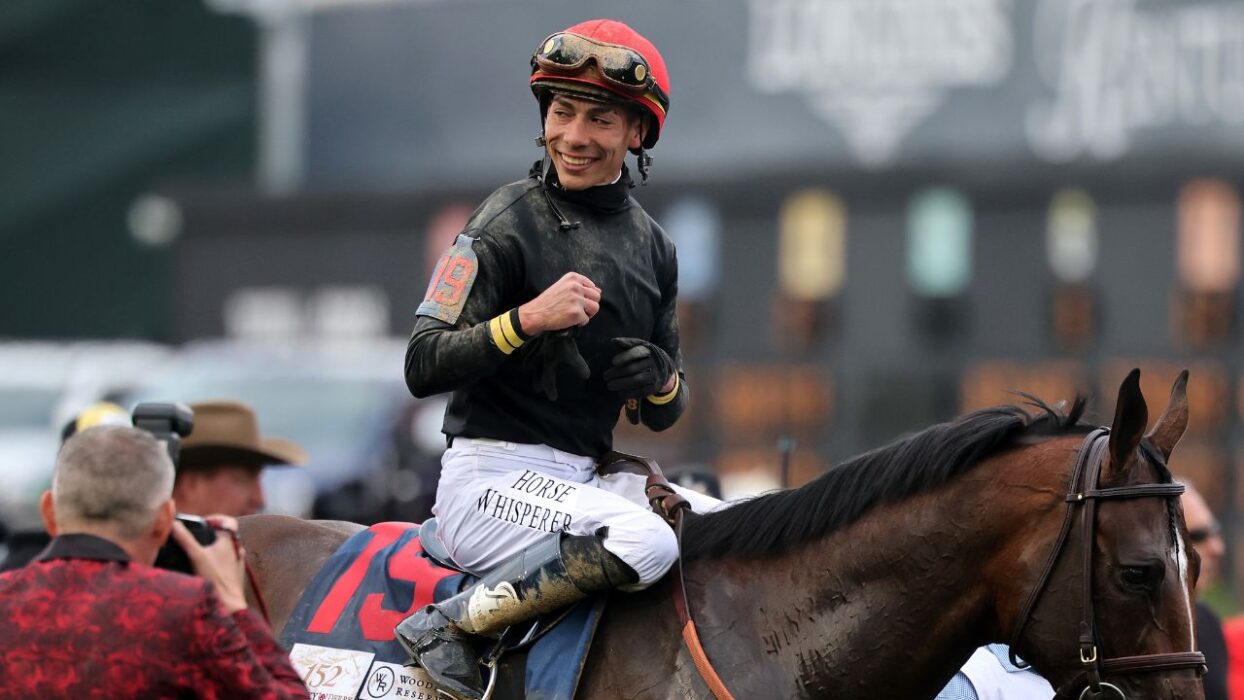
Golden Tempo won the 152nd Kentucky Derby at 23-1 odds, coming from behind in one of the most exciting finishes at Churchill Downs in years. NBC News reported that Cherie DeVaux became the first woman trainer to win the Derby. USA Today and ESPN noted that jockey José Ortiz also earned his first Derby win after 11 attempts, finishing off a weekend that included a Kentucky Oaks victory the day before.
That’s the story everyone saw in the headlines, but it’s not the full picture.
While most coverage focused on the horse, the upset, and DeVaux’s historic win, Latinos and Puerto Ricans were making history throughout the race. The 2026 Kentucky Derby was a big moment for Puerto Rican horse racing, Latino workers in the sport, and a tradition that American media still struggles to cover.
José Ortiz made the Derby a story about Puerto Rican family and heritage.
NBC News reported that Ortiz finished ahead of Renegade, ridden by his older brother Irad Ortiz Jr. Both brothers were at the heart of America’s most famous horse race, with one finally beating the other for the roses.
The Latin Times said this finish gave the sport a rare family moment: one brother winning the Derby, the other coming in second, both continuing a family legacy rooted in Puerto Rico’s horse racing culture. José Ortiz was emotional after the race, especially with his parents there to see it. “I get to ride it almost every year, but to get to win it, it’s just special,” he said. “I just wish my grandpa were here, but I know he’s looking from heaven. Just very happy that I got my goal, my life dream goal achieved.”
For Latino athletes, especially Puerto Rican ones, these moments are rarely just about the individual. They carry the weight of family, heritage, migration, and memory.
José Ortiz is part of a long Latino legacy at the Kentucky Derby.
A 2019 PBS report on the Kentucky Derby’s “secret Latino history” said most professional jockeys have come from Latin America, many trained in jockey schools that opened in the 1950s and 1960s in Panama, Puerto Rico, and Mexico City. The report also noted that in the 2015 Derby, 61 percent of the jockeys were Latino.
The report also looks back at the legendary 1971 win by Venezuela’s Cañonero II and jockey Gustavo Ávila, whose Triple Crown run made the Derby a source of Latino pride. It remembers the 1976 victory of Bold Forbes, a Cuban-trained, Puerto Rican-owned horse who won both the Derby and the Belmont. The report shows that Latino involvement in American horse racing has always been central.
So when José Ortiz won the Derby in 2026, he added his name to a long history of Latino racing that mainstream coverage often treats as a side note instead of a central story.
The Ortiz family legacy.
José and Irad Ortiz both graduated from Puerto Rico’s Escuela Vocacional Hípica jockey school and come from a racing family—both their grandfather and uncle were jockeys. Irad moved to New York in 2011, and José followed soon after. The brothers quickly became leading figures in U.S. thoroughbred racing.
On January 20, 2013, the brothers dominated at Aqueduct, winning the first seven races—José took three, and Irad won four.
By the time José won the Derby this weekend, he already had an impressive résumé. He reached his 1,000th win in 2016, his 2,000th in 2020, and his 3,000th at Churchill Downs in 2024. So while this was his first Derby win, it wasn’t a surprise. It was the highlight of a career he had been building for years.
Still, there’s something revealing about how mainstream outlets covered the story. Mainstream outlets did mention Jose Ortiz. NBC, USA Today, and ESPN all pointed out that he was a first-time Derby winner and highlighted the drama of beating his brother. But the deeper Puerto Rican roots, the unique racial and cultural history of Latino jockeys in the U.S., and how this finish fits into a bigger community story were mostly left out.
Latino workers played a big role in this Derby, too.
Another moment from the weekend was just as powerful as the finish line photo.
A clip from ESPN showed Golden Tempo’s groom, José Hernández from Guatemala, breaking down in tears after the horse won.
Horse racing, like many glamorous American industries, depends on unseen work behind the scenes. Latinos aren’t just the jockeys—they’re also in the barns, on the backstretch, and doing the daily care that keeps horses healthy and ready to race. That’s why José Hernández is part of this history, too.
Latinas were part of the fashion and excitement, too.
Events like the Kentucky Derby are always a mix of sport and spectacle. Social coverage from the event showed Latinas like Yolanda Diaz taking part and bringing their own style to the red carpet. That may not be the same kind of history as José Ortiz’s win, but it still shows how our community is present. Once again, Latinos helped shape the event’s look, culture, and atmosphere.
So yes, Golden Tempo won the 152nd Kentucky Derby. But Latinos made history there, too. If most coverage focused only on the horse, it missed one of the most important stories of the day.