Artists Keep Calling Out the White House for Using Their Music, But Can They Actually Stop It?
Artists keep calling out the White House and federal agencies for using their music and voices without approval. Several artists who do not align politically with the Trump administration are calling out the unauthorized uses of their art. The government is using music in propaganda that people find overwhelmingly unpopular and inhumane. Nothing is stopping the federal government from co-opting art from our favorite artists, at least once.
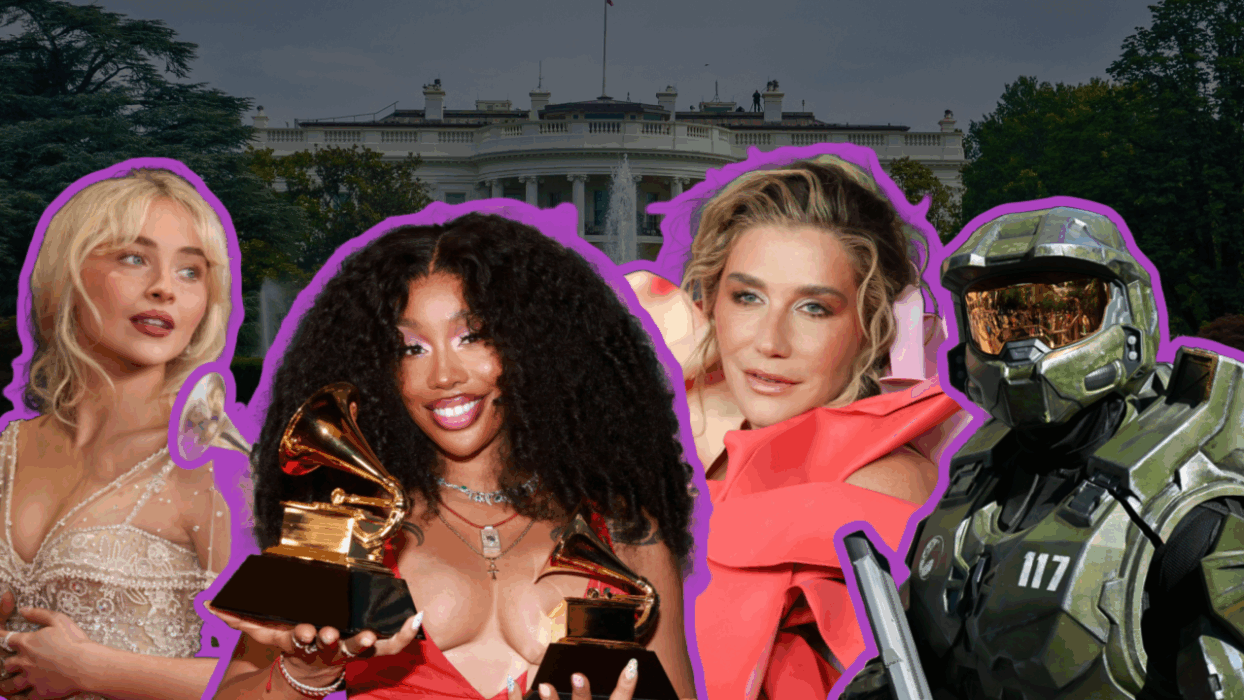
Artists have sent cease and desists and threatened legal action. This includes Olivia Rodrigo, Celine Dion, Sinead O’Connor’s estate, Sabrina Carpenter, and SZA, to name a few. So far in 2026, three artists have called out the federal government for using their work. Artists say they don’t want their work linked to the administration’s inhumane immigration policies or its actions involving Iran. Here are some artists who called out the White House for using their music or audio for some atrocious videos.
“Halo” voice actor Steven Downes is the latest artist to call out the White House
Most recently, the White House circulated a video celebrating its actions in Iran using footage from “Halo.” It drew the ire of voice actor Steven Downes, who distanced himself from the message in the video. The voice actor is behind the iconic video game character Master Chief in the video game series. Downes learned about the video and called it “disgusting and juvenile war porn.” The actor called out the administration in a statement posted to X.
“It has come to my attention that there is at least one propaganda video circulating that was either produced or at the very least endorsed by the White House that uses images of Master Chief and uses my voice to support the war in Iran,” Downes wrote. “Let me make this crystal clear: I did not participate in nor was I consulted, nor do I endorse the use of my voice in this video, or the message it conveys.”
Kesha was not having it with the White House
The White House shared a video of military strikes as part of one of its propaganda campaigns. The message focused on building support for violent military action in Iran. The video includes Kesha’s 2010 song “Blow,” which angered the singer, who took to social media to call it out. If you don’t remember the song, part of the lyrics are “This place about to blow.” The video racked up 16 million views before officials deleted it. Also, special shout-out to Kesha for calling the administration perverts.
“It’s come to my attention that the White House has used one of my songs on TikTok to incite violence and threaten war,” Kesha wrote. “Trying to make light of war is disgusting and inhumane. I absolutely do NOT approve of my music being used to promote violence of any kind.” She added, “Also, don’t let this distract us from the fact that criminal predator Donald Trump appears in the [Epstein] Files over a million times.”
The federal government thought Radiohead was their friend
The U.S. government uses social media as its main form of communication with the public. This includes agencies like Immigration and Customs Enforcement (ICE) pushing social media propaganda. ICE recently created a video with victims of crimes perpetrated by undocumented immigrants. It’s part of a smear campaign to villainize the immigrant community, and the Latino community, if we’re being honest. In the video, ICE used Radiohead’s “Let Down” as part of the “This Is Our Why” propaganda campaign. Radiohead was not a fan.
“We demand that the amateurs in control of the ICE social media account take it down. It ain’t funny, this song means a lot to us and other people, and you don’t get to appropriate it without a fight,” Radiohead said in a statement sent to NBC News. “Also, go f— yourselves,” the band added.
What recourse do artists have?
Unfortunately, artists have little power to control how others use their music on social media, including the White House, on a first offense. Social media platforms pay to license the music that people use in their posts. This means that anyone on the platform can use the music without getting into legal trouble.
However, after the first offense, artists can send cease and desists to the White House, and it includes using music on social media. So, the White House and the rest of the federal government can keep using songs from artists who don’t align with them until those artists call them out. The current federal government is nothing if not willing to test boundaries to see what they can get away with, even with something as simple as music rights.