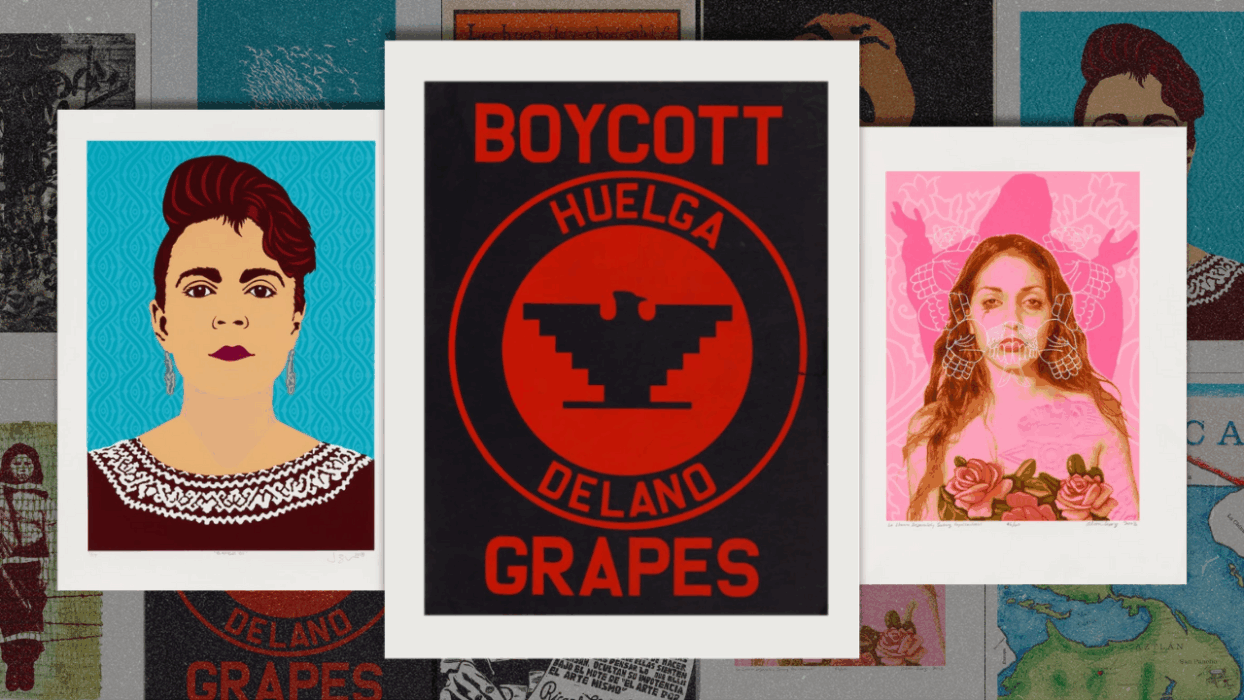
The Huntington Unveils “Radical Histories,” a Monumental Look at Chicano Resistance Art
If you’ve been wanting to go deeper into Chicano resistance history, now is your chance. Over the last several decades, Chicano artists have used printmaking to reclaim cultural identity, express resistance, and engage the community.
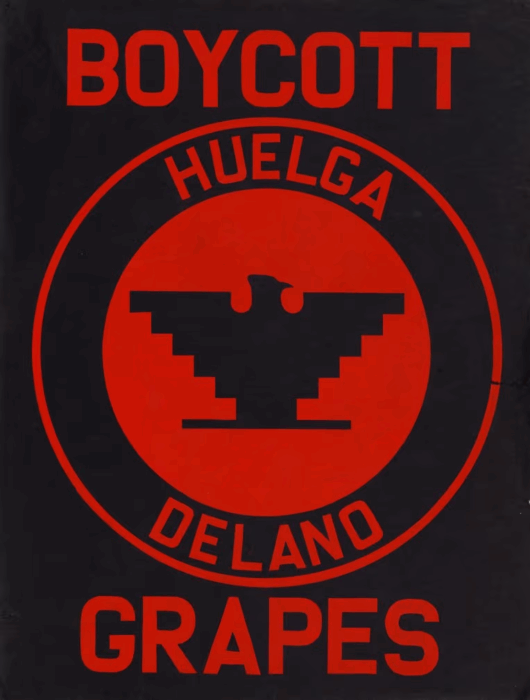
From prints used during the Delano Grape Strike in the 1960s to the work of modern-day artists like Alma Lopez, they have been pivotal to capturing Chicano history and pushing it forward.
Now, The Huntington in San Marino is presenting the West Coast debut of a deeply impactful exhibition putting these prints at the forefront in “Radical Histories: Chicano Prints from the Smithsonian American Art Museum.” The traveling collection highlights six decades of Chicano printmaking, featuring 60 pieces by over 40 artists and collectives.
Running from November 16 to March 2, 2026, this collection is a testament to how ink and paper became the revolutionary voice for an entire movement.
Art as a Weapon
Early on, Chicano artists recognized that printmaking was an artistic medium that gave them the power of reproducibility. Silkscreens, posters, and offset prints enabled them to reach wide audiences quickly and affordably. Plus, communities were deeply moved by the vibrant, visually striking graphics, the witty, incisive text, and the urgency.
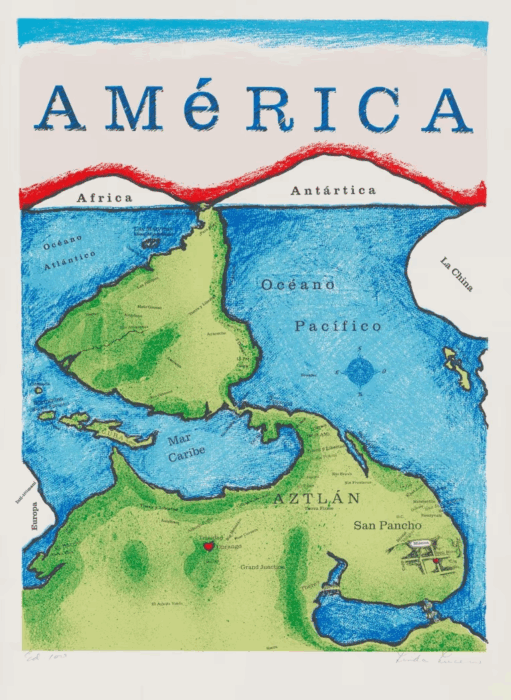
Divided into five themes, “Together We Fight,” “¡Guerra No!” (No War!), “Violent Divisions,” “Rethinking América,” and “Changemakers,” each section allows guests to immerse themselves in the evolution of Chicano printmaking as a political and cultural force. Even more, visitors will have the opportunity to see first-hand the Chicano experience, starting with the Delano Grape Strikes in the 1960s that led to the formation of the United Farm Workers.
“The exhibition covers moments from the 1960s and the decades that follow,” Angélica Becerra, the Bradford and Christine Mishler Associate Curator of American Art at The Huntington, told mitú. “Our place in the world, our place in the U.S., especially as the Chicano community, has gone through many struggles over decades and hundreds of years. So, it’s really about these universal themes that have a timelessness to them, but that are timely because of what’s happening now.”
This isn’t your traditional exhibition. It’s an opportunity to understand how art was the leading weapon in confronting inequality.
“It feels pretty special to bring not only the fight and the struggle of this movement, but also just the faces of brown men and brown people into The Huntington,” she added.
Bridging Eras With a Rising Los Angeles Voice
To anchor this powerful history in today’s political landscape, The Huntington commissioned Los Angeles-based artist Melissa Govea to create a unique mural encompassing the Chicano experience in the U.S.
The astounding mural, titled “Sangre Indígena,” was created in collaboration with Self Help Graphics & Art, the legendary East LA print studio that has supported Chicano and Latino artists since 1973.
“I wanted to tie in our roots, and I think that [the title] very much empowers people to know where they come from and to act on it and to help our community,” Govea told mitú.
Each print features a member of the community she wanted to highlight, while the title spreads across the tiles, bringing it all together. Her work complements the exhibition perfectly, connecting the enduring themes of labor, identity, and community found in the historical prints with today’s social and artistic movements.
A Transformative Experience
As a world-renowned cultural and educational institution, The Huntington isn’t just putting art on the walls. With “Radical Histories,” they’re bringing the public a wide range of programs to enrich their understanding of each exhibition.
“Radical Histories: Chicano Prints from the Smithsonian American Art Museum” is now open until March 2. You can reserve your tickets here.