Minnesota’s ‘Grandparents’ Happy Hour Bill’ Might Let Abuelitos Enjoy Drinks Safely With Friends, and We Love This Era
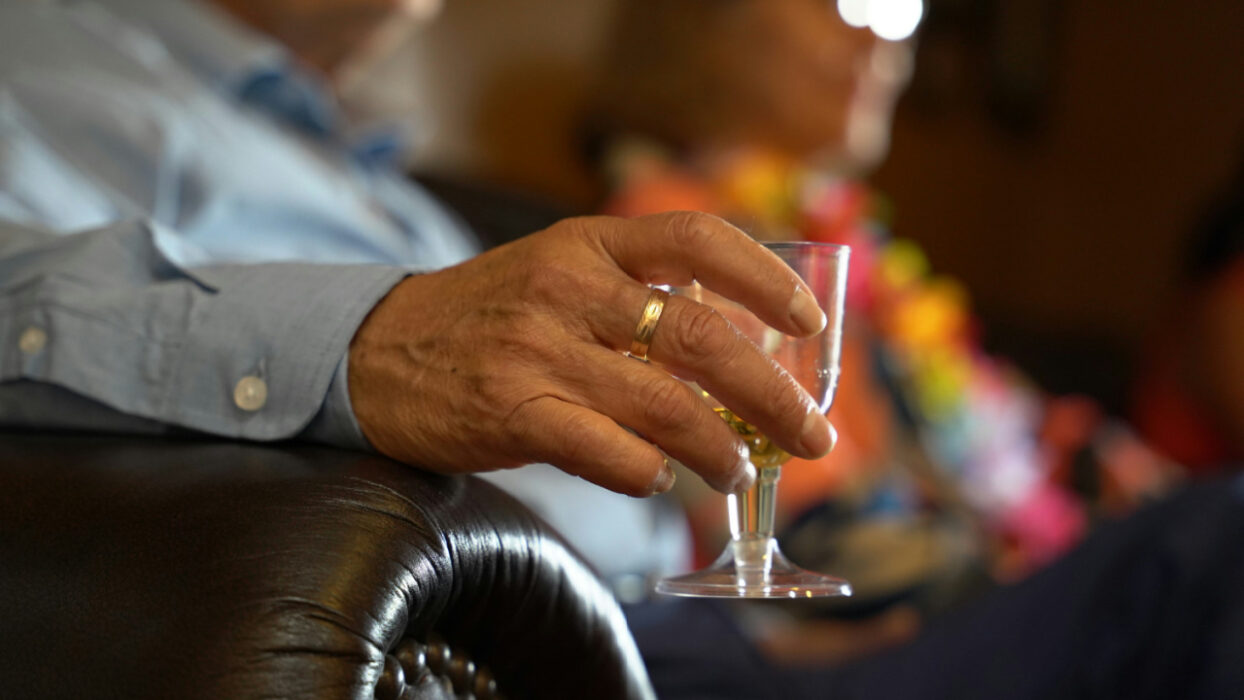
A proposed bill in Minnesota would give people in assisted living facilities one of life’s greatest joys: happy hour. MN SF4256/HF4145 are currently making their way through the state Senate and House. If passed, it would give abuelitas and abuelitos a chance to drink alcohol. After decades of working and raising families, all they want is a chance to drink and reminisce with friends safely. Here is what we know about the bill, dubbed the “Grandparents’ Happy Hour” bill.
The “Grandparents’ Happy Hour” bill is gaining traction in Minnesota
Anita LeBrun recently went viral when she testified in favor of the “Grandparents’ Happy Hour” bill. She expressed her support for the bill that would allow people to enjoy drinks at their assisted living facility. Additionally, she called attention to how it would make it safer. As LeBrun says, the amendment would allow those in assisted living facilities to reminisce about the lives they lived.
“My friends and I love happy hour, just like many of you do, I am sure,” LeBrun said during her testimony. “Just because we are older and live in assisted living doesn’t mean that we should have fewer freedoms than anyone else. Allowing our facility to coordinate this happy hour affords us and our families the peace of mind that we can enjoy life, but not be out slipping on the ice to stop and get our box of wine. This amendment is simply putting into law what many people assume is already allowed: happy hour at the place where we call home.”
LeBrun lives at the Amira Choice in Minnetonka, Minnesota. The idea for a bill came to be after the assisted living facility planned a celebration following recent renovations. According to People, Executive Director Abby Dahl learned that the facility was unable to host a happy hour. To do so, they would have to obtain a liquor license.
The bill would remove red tape for already heavily regulated facilities
Currently, assisted living facilities, like Amira Choice, have to obtain a liquor license to host happy hours for residents. Dahl argues that it doesn’t make sense. Facilities like Amira Choice already function to promote healthy living and regulate medication. The “Grandparents’ Happy Hour’ bill would remove the liquor license requirement for assisted living facilities.
“Assisted living facilities are already accountable to over 500 regulations governing the health, safety and wellbeing of residents in our care,” Dahl told lawmakers, according to People.
Dahl further stated that assisted living facilities juggle existing protocols addressing sanitation, medication interactions, and supervision. She argued that needing to obtain a liquor license is “simply red tape without value. It is duplicative, not protective.”
The bill is currently in committee in the Minnesota legislature. In the House, the amendment was added to an omnibus liquor policy bill that will be on the House floor for a vote. The amendment has received mixed support among lawmakers. Rep. Danny Nadeau sponsored the bill and considers it a common-sense change to regulations. Some lawmakers are hesitant that relaxing requirements could be a bad decision in a state that has high numbers of binge drinkers.
“As a state, we should be cautious about saying that this thing that kills 2,000 people a year in the state of Minnesota should be more available everywhere,” Rep. Leigh Finke argued, according to People.
The amendment is not a sweeping change to liquor license regulation. Instead, it is a limited change that would offer up senior citizens a bit of dignity in their older years. It would also add a level of safety for people in assisted living facilities to drink without having to leave their facility.