Microdramas Are Blowing Up for One Very Latino Reason
If microdramas feel weirdly familiar, that is because they are.
The current hype around microdramas, also called vertical dramas or duanju, has been framed as an entirely new mobile-age invention: 1 to 2-minute episodes, shot vertically, packed with cliffhangers, and engineered for binge-watching on your phone. That part is true. The format emerged in China, where the short-drama market exploded into a multibillion-dollar business, and has since spread quickly through apps like ReelShort and DramaBox into the U.S. and beyond. But for Latinos, the deeper appeal should not feel mysterious. These shows are basically telenovela DNA compressed into phone-sized injections of, let’s be honest, bad taste.
That is the real answer to the question. The hype goes beyond short attention spans, and it has more to do with melodrama finding a new delivery system.
Microdramas are the fast-fashion version of the telenovela
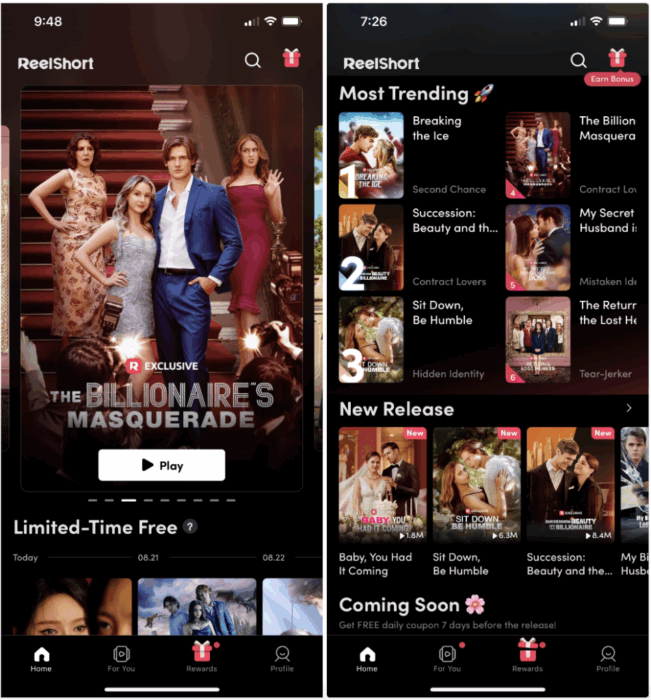
A microdrama usually runs dozens of episodes, with each episode lasting around one to three minutes, built around a hook, a reversal, and a cliffhanger strong enough to force the next click. The tropes are aggressively legible: secret billionaires, contract marriages, forbidden crushes, revenge plots, werewolves, mafia bosses, long-lost heirs. The Tufts Daily notes that the format has spread globally by relying on a simple formula of rapid setups, intense romance, and nonstop cliffhangers. At the same time, outlets covering the business side of the boom describe the model as cheap to make, fast to release, and tuned for compulsive retention.
Put differently, these things are not trying to be prestige television. Their whole focus is to be irresistible.
And we Latinos know this format by heart. Because what microdramas have really done is strip the soap opera down to its purest industrial parts: betrayal, seduction, humiliation, shock, cliffhanger, repeat.

The hype around microdramas starts with the phone, but it does not end there
Yes, convenience is a huge part of the appeal. BuzzFeed, Tufts Daily, and industry coverage all make the same point: these dramas fit scrolling culture perfectly. They are vertical, mobile-first, and designed to be watched between other things or instead of them. Microdramas do not ask for a 45-minute commitment or a whole in-depth knowledge of the actors. They ask for one minute and then trap you with the ending.
But convenience alone does not explain obsession. Plenty of things are easy to watch, right? But not all of them become billion-dollar businesses.
What keeps people glued is the pace. A traditional show might take three episodes to reach a betrayal, a slap, a reveal, or a dramatic entrance in a hospital hallway. A microdrama cannot afford that. It has to get to the emotional hit immediately. That compressed structure is why so many people describe the format as addictive, guilty, ridiculous, and impossible to stop watching. The Week recently described microdramas as “rich in dramatics and cliffhangers that encourage binge-watching.” At the same time, Business Insider reported the U.S. market alone generated about $1.3 billion in 2025, largely from direct viewer payments.
What people are really paying for is emotional velocity
Microdramas are indeed telling us something less flattering about the current entertainment economy. And it’s called the “freemium model.”
Viewers usually get a handful of episodes for free, then hit a paywall, ad gate, coin system, or subscription prompt. Roughly 75% of U.S. microdrama app revenue now comes from viewer payments. Other industry analysis says users get funneled through exactly this ladder: free episodes first, then micro-payments, coins, or subscriptions once the show has done its job and made leaving feel impossible.
That tells you two things at once. First, viewers are not just casually stumbling into these shows. They are paying to keep the dopamine loop going. Second, the product being sold is not subtle storytelling but emotional velocity. It is the sensation of being pushed from twist to twist with no dead air in between.
Microdramas also blew up because Hollywood left a gap
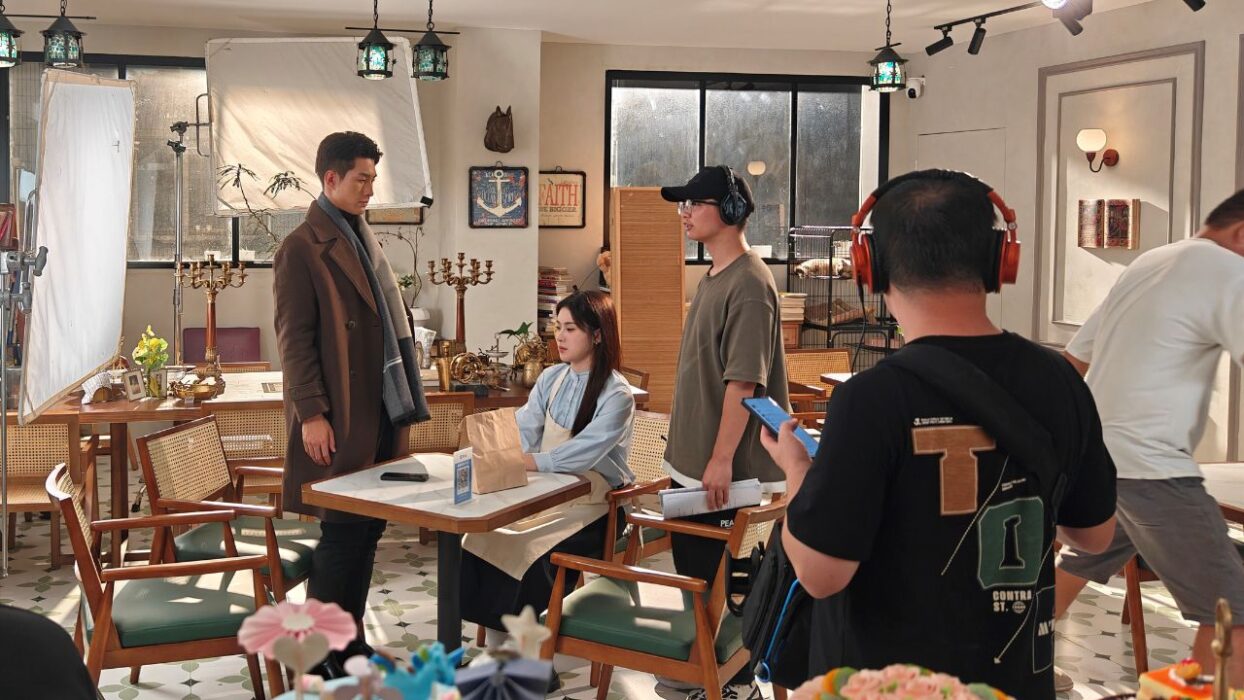
Several business-side analyses argue that the post-strike slowdown in Hollywood created untapped demand that microdramas were well-positioned to fill. Fewer greenlights, tighter budgets, and less overall production volume opened a lane for a form that could be shot quickly, cheaply, and at scale. Real Reel described the U.S. as the revenue engine of the global microdrama boom in 2025, while Deadline and Digital Content Next both note that major media players have stopped dismissing the format and are now treating it as a serious business.
That does not imply by any means that microdramas are replacing television. It means they are competing for the same thing; everything else is fighting for now: attention.
And unlike Quibi, which tried to shrink Hollywood for mobile without really changing the storytelling logic, microdramas were built for the phone from the start. That simple, otherwise stylistic decision comes up repeatedly in trade coverage and explains why one model collapsed while the other kept scaling.
Latinos should recognize the genre even if the apps feel new
A lot of the breathless reporting on microdramas treats them as if they emerged from nowhere, because younger audiences suddenly forgot how to sit still. But if you grew up around telenovelas, none of this feels alien. Secret heirs, impossible class jumps, forbidden love, revenge marriages, evil mothers, dramatic misunderstandings, exaggerated reversals, and endings designed to make you scream at the screen are not some shocking new content innovation. They are an old cultural technology we’ve known all our lives. Microdramas just rebuilt that technology for the vertical screen.
That is why the format travels so well. It’s about narrative muscle memory.
Yes, the apps may be new. Even the monetization model may be new. But the core emotional architecture is ancient in television terms, and very familiar in Latino ones.
So what is the hype with microdramas, really?
The hype is that they figured out how to turn telenovela logic into a mobile-native business.
They are fast, cheap, melodramatic, and built around shamefully effective hooks. Microdramas fit the way people already use their phones, and work especially well in an era when audiences are tired of paying premium prices for bloated streaming libraries and are more willing to throw a few dollars at something that gives them immediate payoff. They also give producers a way to test stories quickly and keep feeding the machine without waiting years between projects.
The real question is not why people are obsessed. That part is obvious.
The real question is whether Hollywood is ready to admit that one of the hottest entertainment formats of the moment did not reinvent melodrama at all. It just remembered what so many audiences, especially ours, already knew: if you give people betrayal, yearning, absurd plot twists, and one last shocking reveal before the episode cuts off, they will come back tomorrow.