That Comedian Who Went Viral for Translating The Lion King? Yeah, He’s Being Sued
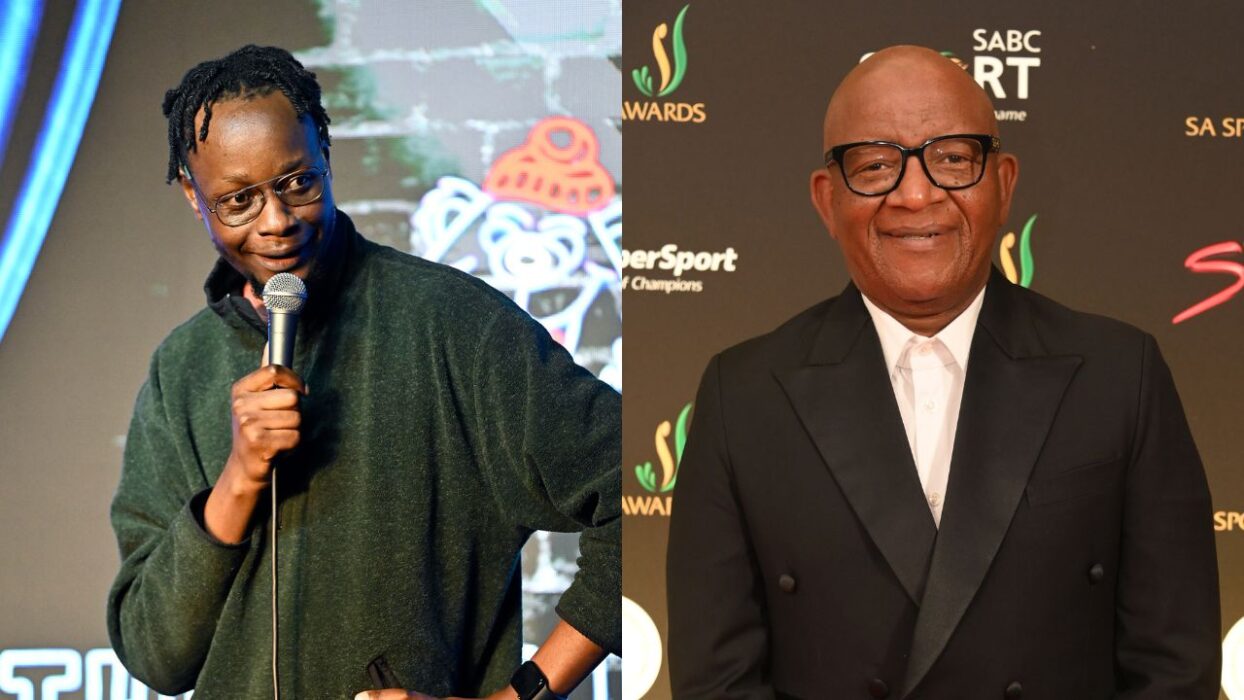
Remember that comedian who went viral for translating The Lion King chant as “Look, there’s a lion. Oh, my God”? He is now getting sued for it.
According to NBC News, Grammy-winning South African composer Lebohang Morake, known professionally as Lebo M, filed a federal civil complaint in California against comedian Learnmore Jonasi over the viral mistranslation, seeking $27 million in damages.
And that says a lot about where internet culture is right now. A viral joke and childhood nostalgia suddenly forced everyone to decide where the line is between comedy, cultural distortion, and somebody else’s life’s work.
The “Circle of Life” joke did not stay a joke for very long
The viral moment stemmed from Jonasi’s appearance on the One54 Africa podcast. As the Los Angeles Times reported, one of the hosts sang the famous opening chant badly. Then, Jonasi corrected the pronunciation, and then, when asked what it meant, said it translated to: “Look, there’s a lion. Oh, my God.” The hosts laughed, and the clip took off.
Lebo M’s lawsuit argues that the real meaning of “Nants’ingonyama bagithi Baba” is “All hail the king. We all bow in the presence of the king,” and that the chant is not just movie iconography but a form of royal praise poetry grounded in isiZulu and isiXhosa tradition. The complaint acknowledges that “ingonyama” can literally mean “lion.” But argues that in this context it functions as a royal metaphor tied to kingship and sovereign presence.
That distinction is doing all the work in this fight. Because the lawsuit is not claiming a simple mistranslation. It is claiming that Jonasi took something culturally specific, presented a trivializing version of it to a mass audience, and turned the distortion into part of his public brand. Morake’s complaint says viewers believed Jonasi’s version, with some saying it had “ruined their childhood.” And that it interfered with Morake’s Disney relationships and royalty income.
Learnmore Jonasi says it was comedy. Lebo M says that is not the point
According to NBC News, the lawsuit argues Jonasi did not frame the translation as a stand-up bit or comedy special. Instead presented it “as factual knowledge with misguided authenticity.” The Guardian reported that Morake’s legal team is also arguing the statement should not receive the usual First Amendment protections for parody and satire because it was presented “as authoritative fact, not comedy.”
Jonasi, for his part, has been publicly insisting the bit was a joke. NBC News reported that in a March 13 video statement, he said, “This was just a joke, and comedy always has a way of starting a conversation,” and added, “Personally, I had no idea it had a deeper meaning.” The Los Angeles Times also reported that he said he would have been open to making a video with Lebo M to educate people once the controversy took off.
The lawsuit also says the internet rewarded the bit
There is another layer here, and it is very 2026.
According to the Los Angeles Times, the complaint says Jonasi recently received a standing ovation for a similar version of the joke during a March 12 performance in Los Angeles. USA Today reported that Morake’s team argues that Jonasi continued to monetize the viral moment through performances, merchandise, and online fundraising. After being served while performing at the Laugh Factory, Jonasi posted the clip online, launched a GoFundMe for legal expenses, and began selling merch with slogans including “Look it’s a lion” and “Look it’s a lawsuit, Oh, my God.”
It seems then, the joke did what a lot of internet jokes do now: it escaped its original setting, became a reusable cultural object, and started generating attention and money. That does not automatically make it unlawful. But it does make the stakes bigger for the person arguing that his work, language, and cultural context got flattened in the process.
For now, the courtroom showdown may not go all the way. The Los Angeles Times reported that by Friday morning, Lebo M posted a statement signaling interest in a “structured settlement,” suggesting both sides may be looking for a way out that does not end in a full legal war.