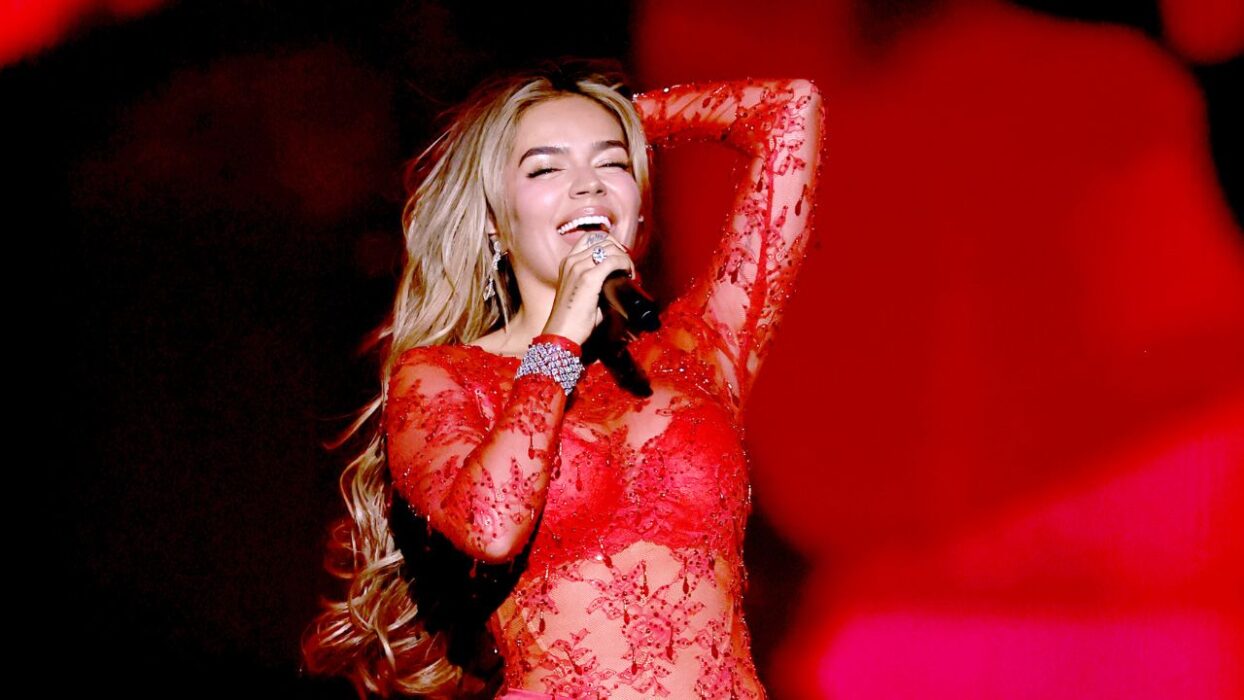
Why Coachella 2026 Feels Bigger Than Just Another Festival Year
There are pivotal moments in music history that only come into their own in hindsight. Events where you know there was a turning point, even if it went unnoticed at the time. Coachella 2026 is likely to be one of them.
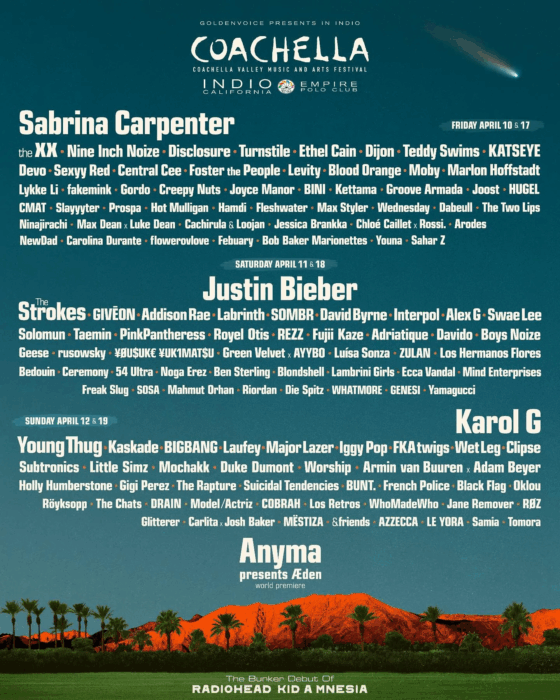
Yes, the festival in the California desert spent years becoming shorthand for influencer culture. As of late, it has been brand theater and the annual content Olympics. But this year’s lineup suggests something else is happening. It suggests we may be returning to what mattered in the first place: music. And not in some nostalgic, anti-pop purist sense either. In a real, structural sense. The 25th edition of Coachella, running April 10 to 12 and April 17 to 19, looks like the kind of event that signals where the culture is moving.
Why Coachella 2026 is already a historic moment
Look at the names at the top and just under the fold. Sabrina Carpenter, Justin Bieber, and Karol G headline the festival. Meanwhile, artists like The xx, The Strokes, Interpol, Labrinth, Major Lazer, Moby, Groove Armada, and Iggy Pop give the poster a depth that feels less disposable than the festival’s image has sometimes been in recent years.
Then there is Nine Inch Noize, the Trent Reznor, Atticus Ross, and Boys Noize team-up that Louder described as one of the most intriguing signals embedded in this year’s bill. Pitchfork and Billboard also pointed to the broader weight of the lineup when it dropped last fall, treating it as a genuinely consequential poster, not just a celebrity traffic jam in the desert.
That is what makes this feel bigger than another big festival year. Coachella 2026 does not read like a playlist designed by engagement metrics but like a lineup with contemporary pop dominance. It has serious indie and electronic credibility, with artists whose mythologies are attached to them. This year’s festival brings returns, pivots, anniversaries, and collaborations. And they hint at where the next year of live music may be headed.
The Latino artists at Coachella 2026 make the festival feel even bigger
For Latinos, though, this is also something else.
Karol G is set to become the first Latina to headline Coachella, a milestone celebrated by our community as a whole. That fact alone changes the historical texture of this year’s festival. Because when a Latina artist is not only included but taken to the top, representation takes on a whole different significance.
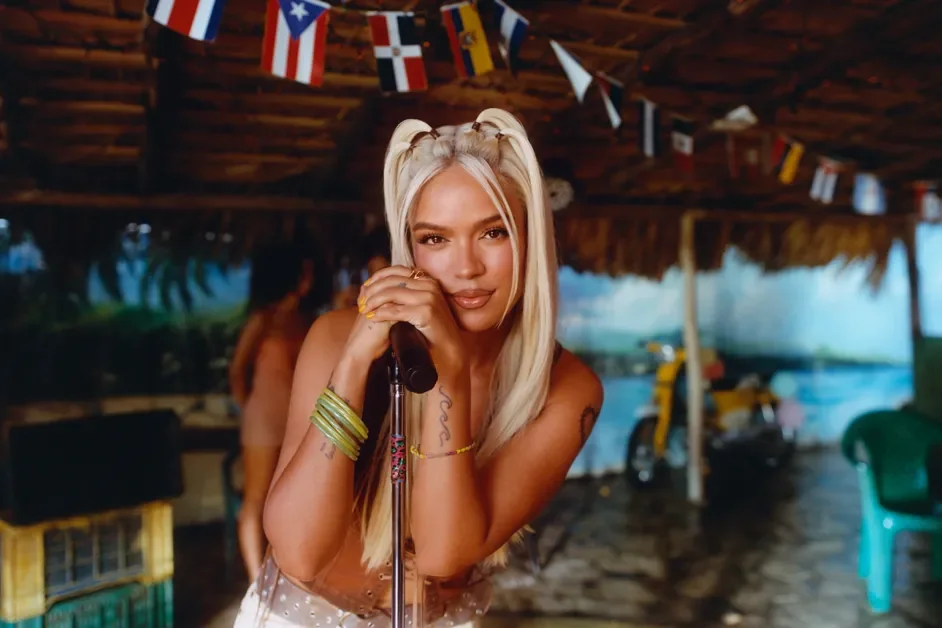
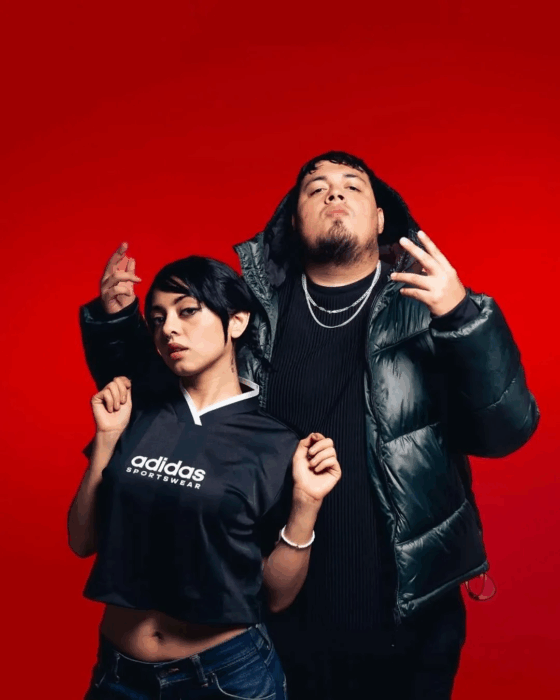
And she is not arriving alone. Brazilian superstar Luísa Sonza brings one of the most visible pop careers in Latin America into the desert. DJ Gordo, the Guatemalan-American producer formerly known as Carnage, continues the long arc from festival EDM staple to transnational Latin collaborator. Los Hermanos Flores carry Salvadoran cumbia tradition into a lineup that too often gets discussed as if the only Latin sounds that count are reggaetón and urbano. Gigi Perez, the Cuban-American singer-songwriter behind “Sailor Song,” brings a very different register to the festival. Quieter, more introspective, but no less important in what she represents.
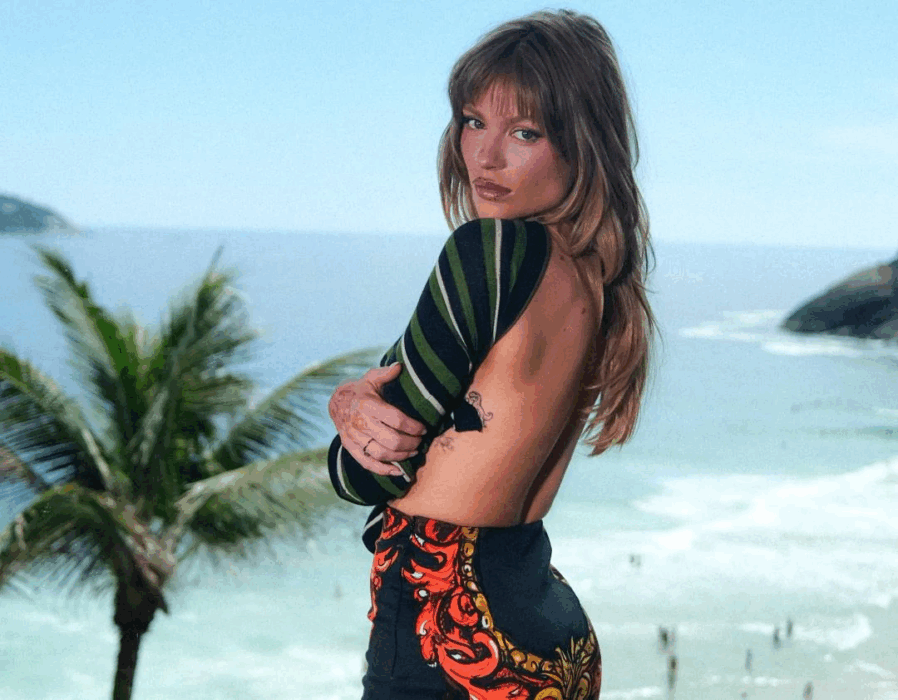
Then there are artists like Cachirula and Loojan, the Mexican reggaetón duo. Los Retros with their dreamy indie-pop sensibility, RØZ, and Zulan in the electronic lane. And 54 Ultra, whose Puerto Rican and Dominican identity feeds into a softer, indie-pop mode that still expands what Latino presence on a festival poster can look like. In short, there aren’t just Latinos on the lineup. There is, in fact, a broader map of Latinidad than festivals of this scale usually center on.
Coachella 2026 also looks better organized than the version people love to parody
That is the other thing. The activations this year sound more coherent, useful, and, frankly, more adult.
HOLA!’s party guide notes that Neutrogena’s sunscreen stations have become one of the most essential activations on the grounds, with more than 200 gallons of sunscreen distributed across both weekends in 2025 alone. Aperol is debuting an on-site Aperol Day Club. Heineken House is back with its now familiar role as a “festival within the festival.” Desert Nights returns to the private ZENYARA estate with one of the strongest after-hours lineups in the Valley.
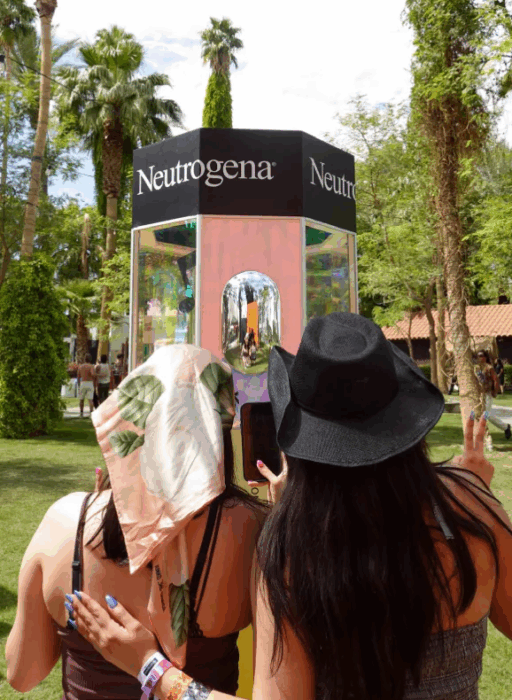
Forbes, meanwhile, framed the 2026 edition as a better-planned temporary city. One with more than 75 restaurants, bars, and pop-ups, stronger campground food, new Thursday programming, and side quests that feel less like desperate filler and more like a festival ecosystem that understands how people actually move through a weekend of this scale.
For millennials especially, that blend of music history, current pop power, and robust activations makes this year feel almost suspiciously tailored. You get the legacy acts, the artists tied to formative years, and the cherry on top is Karol G, making history. You get sunscreen stations because some of us have learned from our mistakes. And what it looks like is a festival that still understands spectacle, but no longer seems content to rely on it alone.