Jimadores Represent More Than A Profession, They Are A Cultural Symbol of Mexico’s Rich Land and Heritage
Jimadores are more than agricultural workers. They are an interwoven part of Mexico’s rich cultural heritage. The jimador is an integral part of the production of tequila, Mexico’s most globally recognized cultural product. Tequila gives people everywhere a taste of what makes Mexico the magical destination it is. Jimadores, and their generational lineages, keep tequila as an important piece of Mexican culture and help retain the artisanal foundation of the beloved spirit.
The agave plant holds a special place in Mexican culture
The practice of harvesting the agave plant existed during pre-Hispanic times in Mexico. Archaeological finds indicate that people have been utilizing the agave plant since 12,000 BCE. The most detailed example is the Guitarrero Cave in Peru. There is evidence in the cave that ancient agave was utilized, but the clear picture of how is still lost since the plant is biodegradable.
In 600 BCE, the Mayans actively domesticated the plant, and the Hohokam people in Arizona were also cultivating the plant between 300 and 1500 CE.
The Aztecs were the ones who started to create a fermented drink using the sap from the agave plant. Pulque, the precursor to modern tequila, was a special drink used for rituals. It was reserved for priests and nobility until the Spanish invaded.
After the invasion, the drink became more common among the general population. It served as a form of resistance to the invasion as the Spanish worked to restrict the use of pulque.
Jimadores became a cultural symbol in Mexico
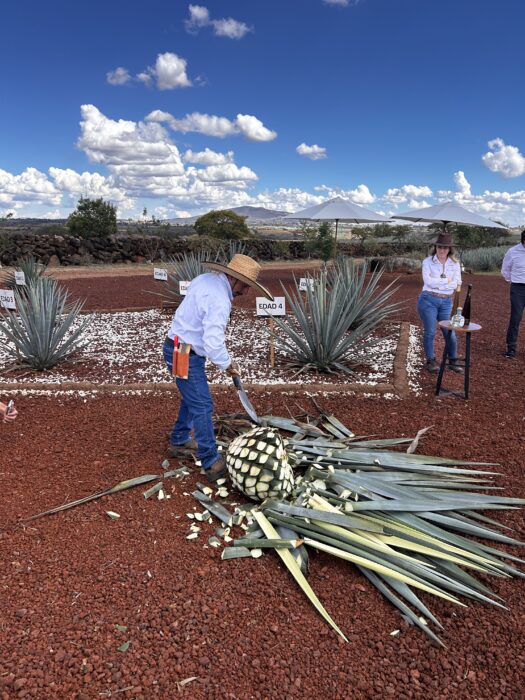
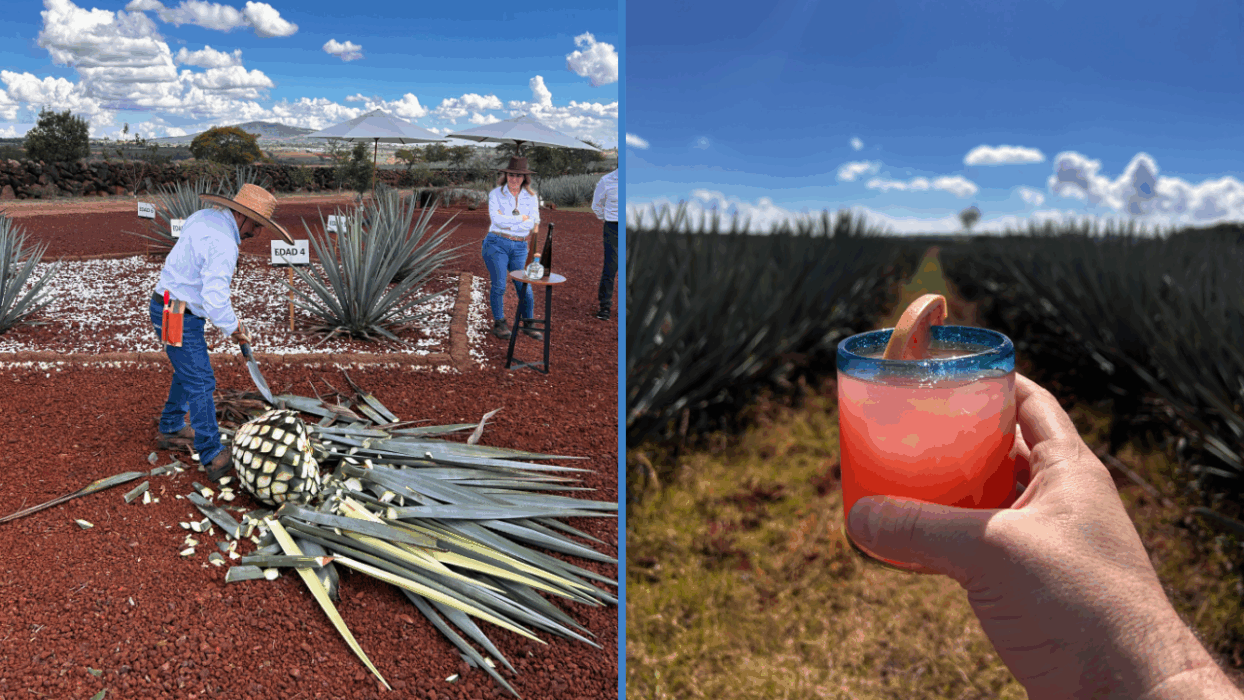
There is no formal training to become a jimador. The job, which is a symbol of Mexican agriculture, is something that is passed down from generation to generation. It is both a cultural practice and a source of pride for families. For centuries, the specialized job has stayed pure and artisanal.
The first time that jimadores were considered professional was in the 1600s when distilleries started to open to create tequila. By the late 1700s, the production of tequila started to grow, and more brands started to create the spirit. This is when the profession was elevated to a truly specialized job.
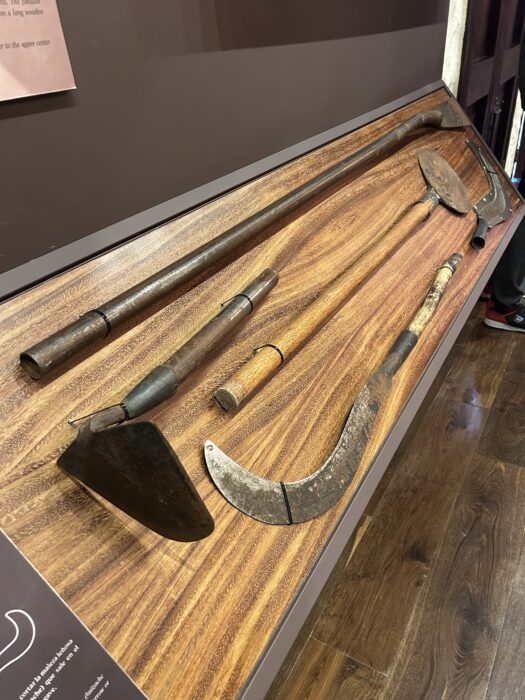
During a recent trip to Atotonilco El Alto, mitú spoke with a jimador who has been working on the fields for Don Julio. Manuel Tavares Rojo has spent more than 20 years working on the agave fields in Atotonilco El Alto for the tequila brand. He was hired by Don Julio himself in 2002.
“My father and my older brothers worked in agave harvesting. So when I was old enough to work, they let me try it little by little with the coa so I could learn,” Rojo told mitú with a feeling of pride. “By the time I was about sixteen or seventeen, I think, I already felt capable enough to do the job, and I liked it. From there, I kept going for many years. That’s how I was taught.”
Rojo represents a legacy of master jimadores in the tequila industry
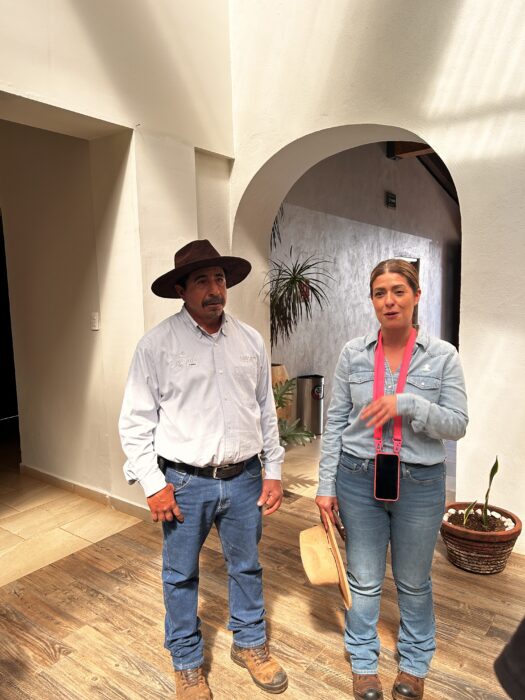
Rojo takes immense pride in his work. On a typical day, a jimador can harvest between 80 and 160 piñas a day. This translates to hundreds of liters of tequila when the piña is roasted, processed, and the liquid distilled.
But, more than that, Rojo is proud to work for Don Julio. Partially because of Don Julio himself and the pride of working alongside his family.
“When I started working with Don Julio, he was a very considerate person with us. Sometimes you’d make a small mistake, like not harvesting properly, and he’d say, ‘It’s okay, we’ll do it again.’ He was very much a friend to us,” Rojo recalled to mitú. “He was always attentive to all his employees. We grew fond of him, and we felt like we belonged here.”
Tequila would be nothing without the hard working people in the fields
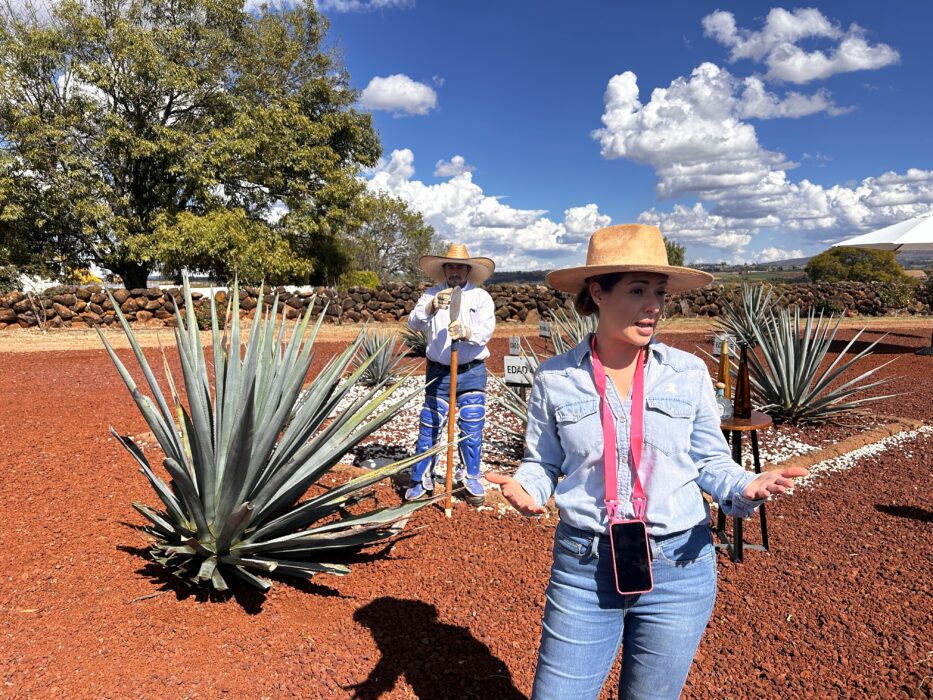
Every time you crack open a bottle of tequila, it is because of the jimadores who work in the agave fields. For centuries, these men and women have worked to craft a symbol of Mexican culture that is beloved around the world.
The importance of jimadores cannot be understated. They take pride in their work. They have become a symbol of the richness of the land in Mexico. There aren’t very many jobs in the world that function as both a profession and a revered image of cultural pride. Tolling in the fields in the early hours of the morning, harvesting piñas, planting new agave plants, and caring for those growing.
This interview was facilitated by Don Julio during a press trip to Guadalajara and Atotonilco El Alto, Jalisco, Mexico.