Texas Is Celebrating Independence Today. Here’s What Happened to the Latinos Who Helped Win It
Texas loves to sell the Revolution — and subsequent independence — as a clean origin story. A handful of brave men, a few legendary battles, a new republic born out of pure “freedom.” But pull the camera back, and the picture changes fast.
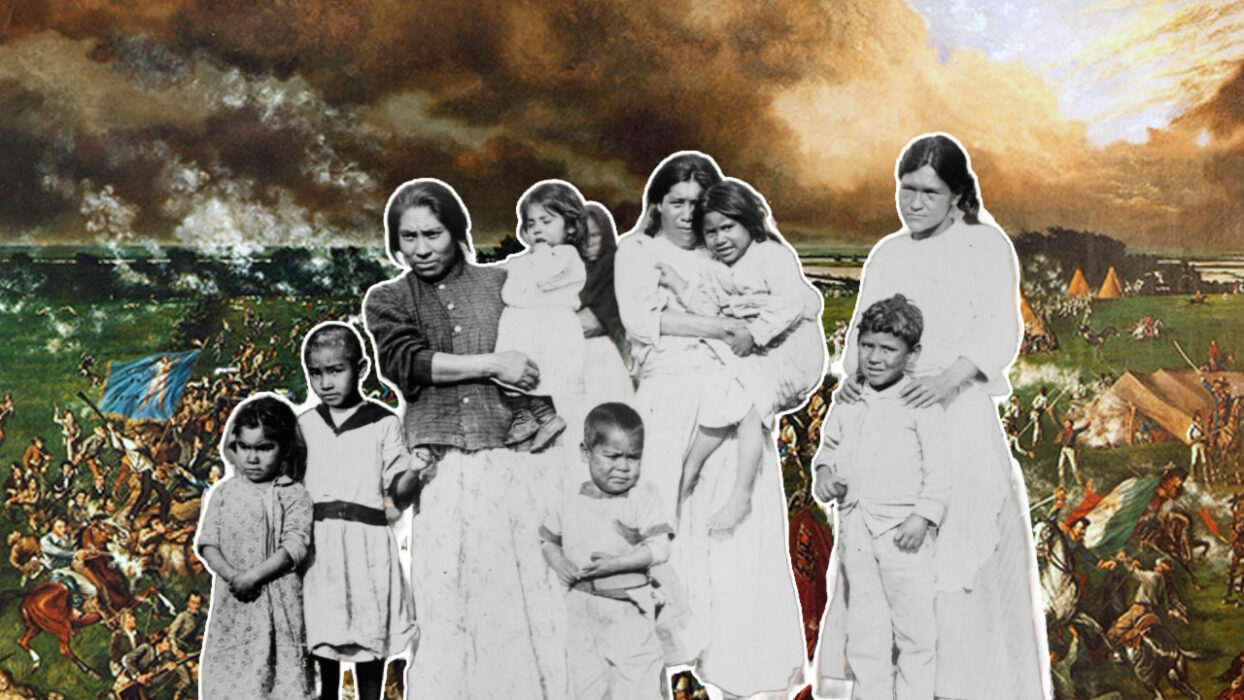
Because Latinos (called Tejanos at the time) were there. They fought, organized, held office, translated laws, protected towns, and helped make independence real on the ground. Then the new Republic of Texas turned around and treated many of those same people like a problem to manage.
Here is the part of the story Texas mythology keeps trying to blur.
First, the Texas Revolution was never just Anglos versus Mexico
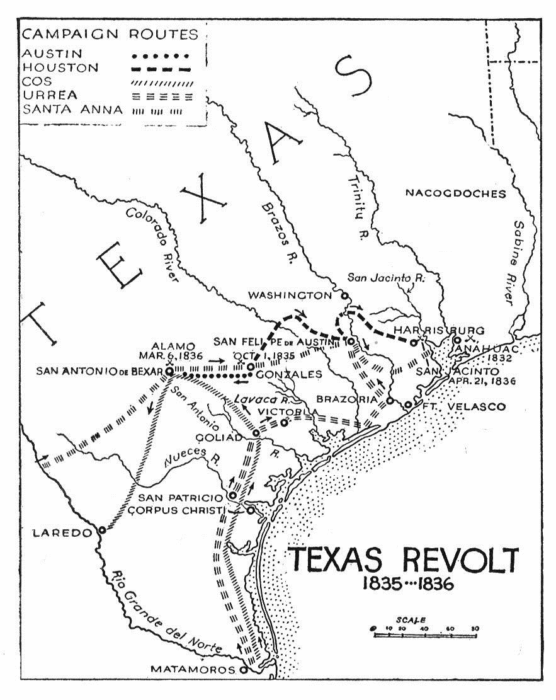
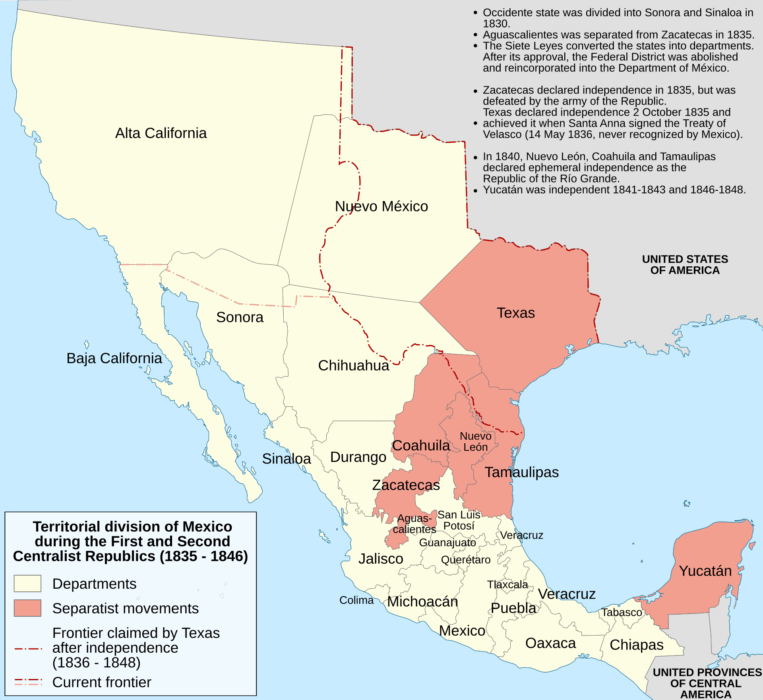
The Texas Revolution (October 2, 1835, to April 21, 1836) unfolded as a rebellion by Anglo-American immigrants and Hispanic Texans. Texians and Tejanos were fighting against Mexico’s centralist government in Coahuila y Tejas.
From the start, the fight included people we would call Latinos in Texas today. Even when later retellings tried to write them out.
The political context is also key. The uprising sat inside a broader revolt against Santa Anna’s centralist shift, which had overturned the federal Constitution of 1824 and dismissed state legislatures.
So, where do Latinos show up in the story that people skip?
They show up early and often, especially in the civic and military leadership Tejanos already practiced before the Anglo settlement exploded.
Tejano politics predates Anglo settlement by a century. And grew out of institutions like the ayuntamiento, local municipal government with deep roots in Spanish America.
In other words, Tejanos did not appear as side characters in 1836. They already had political traditions, local leadership, and community infrastructure. Then the demographic balance shifted hard. By 1836, shortly after the war, an estimated 35,000 Anglos and their enslaved people settled in Texas compared to about 3,500 Tejanos, a roughly ten-to-one imbalance.
That population math set the stage for what came next.
The Texas Declaration of Independence tells on itself
A revolution can claim “we the people,” but the signatures reveal who counted as “the people” with power.
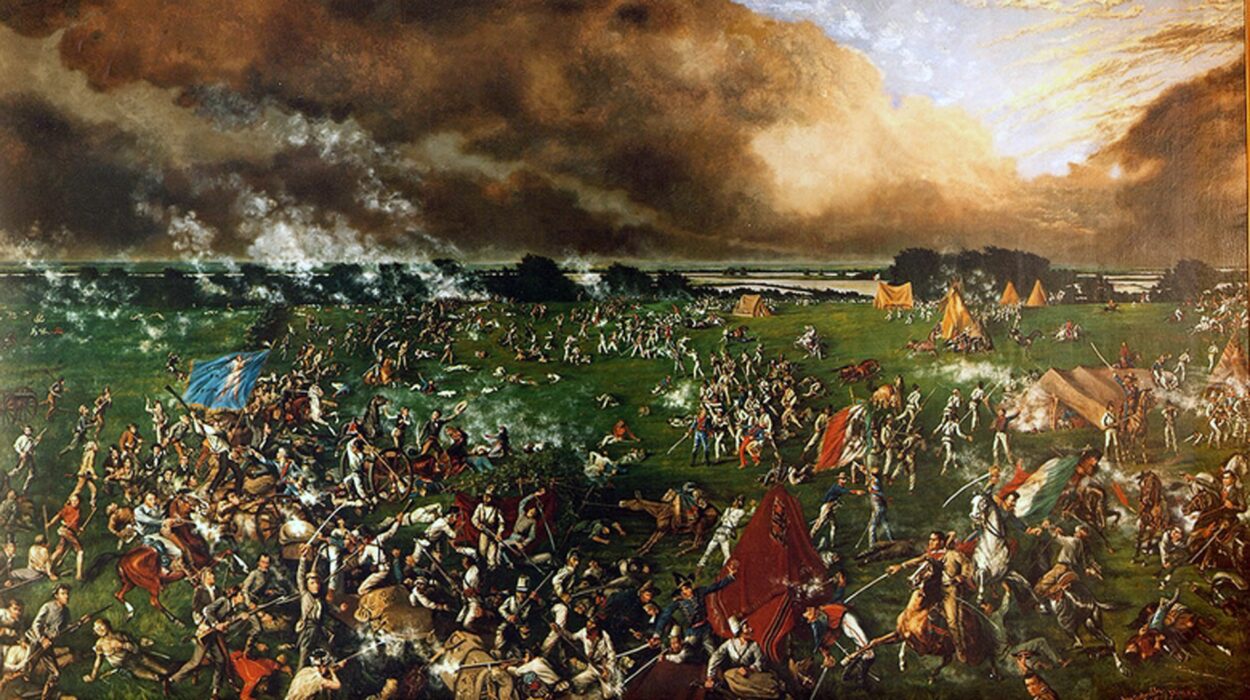
According to the Bullock Texas State History Museum’s explainer on the Texas Declaration of Independence, only three of the fifty-nine men who signed were Hispanic. They included José Antonio Navarro, José Francisco Ruiz, and Lorenzo de Zavala.
During the Republic of Texas, only four Tejanos from the Béxar district succeeded in gaining election to the Texas Congress. They were Navarro, Ruiz, Juan Seguín, and Rafael de la Garza.
So yes, Tejanos fought, signed, and served. But the political pipeline narrowed fast.
Latinos helped win independence in Texas, then got boxed out of representation
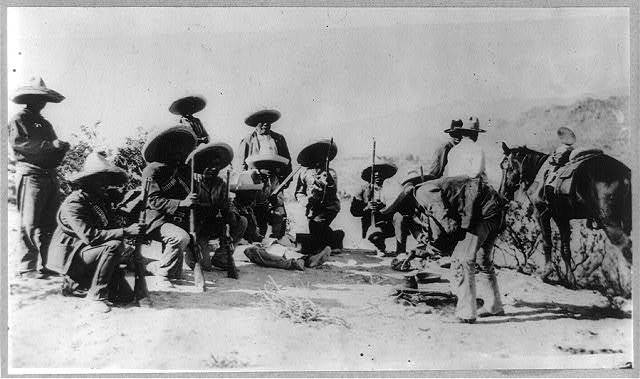
After independence, Tejanos became a subordinate minority in the new republic. And political office across many towns became “the sole exercise” of Anglo Americans outside of San Antonio’s brief window of local Mexican electoral strength.
Even in places where Tejanos held on for a moment, the long arc bent toward exclusion. TSHA describes how “highly disproportionate electoral representation” came to typify Tejano politics, alongside “extensive land loss and disregard of rights.” Plus language barriers, limited economic opportunity, racial prejudice, gerrymandering, poll taxes, and other tools used to undermine Tejano political representation.
When the law speaks only English, it chooses a side
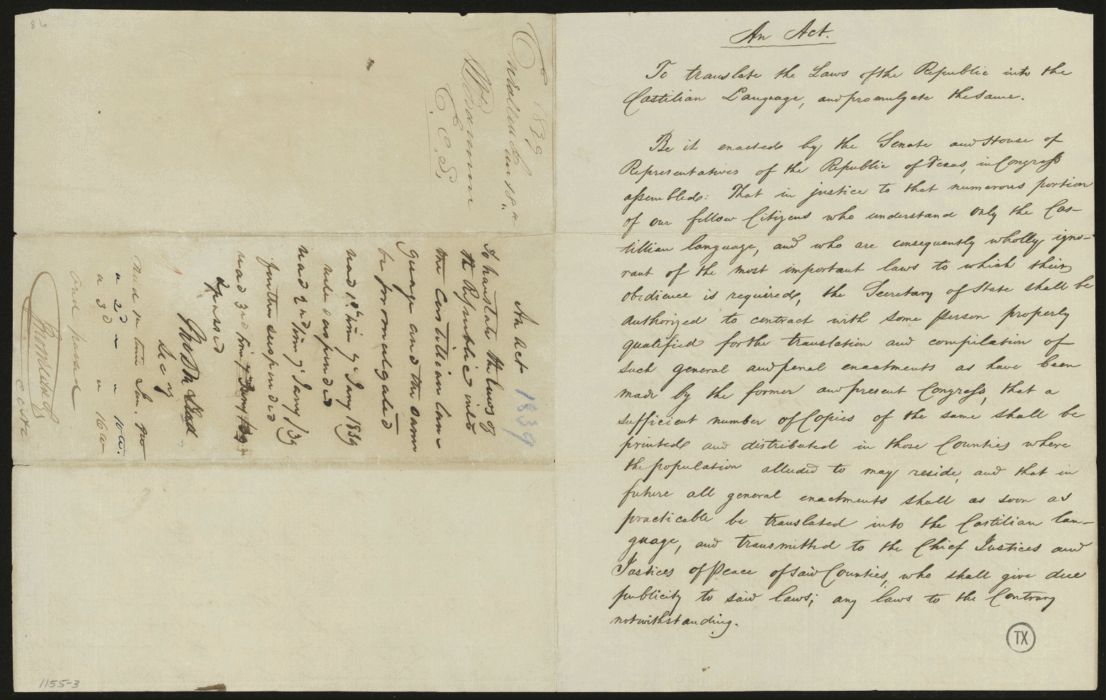
Here is a quiet but brutal detail: laws of the Republic of Texas circulated primarily in English, effectively excluding Spanish-speaking residents from fully participating in the new legal order.
The Texas State Library and Archives’ exhibit on Tejano voices reports that Juan N. Seguín’s efforts in the Texas Congress led to a bill assuring translation of laws into Castilian Spanish.
This means that if Tejanos needed to fight for translation, the republic’s default assumption already leaned toward Anglo rule.
The “traitor” label became a weapon against Latinos in Texas
Once conflict continued along the border and Mexico mounted incursions in the 1840s, suspicion attached itself to Tejano identity. Tejano rights to the franchise were contested and debated, and attempts to exclude Mexicans from voting appeared as early as 1836 during the republic’s first House debate.
And that political suspicion did not stay abstract. Juan Nepomuceno Seguín’s own words show how quickly heroism could flip into exile.
In “A Foreigner in My Own Land,” Seguín wrote:
“I had to leave Texas, abandon all for which I had fought and spent my fortune, then become a wanderer,” Nepomuceno wrote. “I was in this country a being out of the pale of society, and when she could not protect the rights of her citizens, they seek protection elsewhere,” he added. “I had been tried by a rabble, condemned without a hearing, and consequently was at liberty to provide for my own safety.”
Dispossession was policy
After San Jacinto, the violence did not end.
Thomas Rusk ordered Tejanos in the region between the Guadalupe and Nueces Rivers to migrate either to east Texas or to Mexico, and new Anglo settlers used threats and legal maneuvering to take over land once settled by Tejanos.
That fits the pattern Seguín describes, too. Tejanos who remained in Texas often saw livestock and corn stolen and land taken in disputes as Anglos pushed to wrest control.
Put those together, and the through line looks painfully clear: Latinos in Texas helped build the “new Texas,” then got treated like outsiders standing in the way of Anglo land and power.
The republic wrote racial hierarchy into its foundation
Furthermore, marginalisation did not stop at Tejanos. The Republic of Texas also formalised exclusion through its constitution.
The University of Texas Tarlton Law Library’s text of the 1836 constitution includes the provision: “No free person of African descent, either in whole or in part, shall be permitted to reside permanently in the Republic, without the consent of Congress.”
And TSHA’s entry on the Republic of Texas notes the constitution legalized slavery and restricted free Black residence without congressional consent.
Why include this here? Because it shows the republic’s governing instincts. This new nation did not form around universal liberty. It built itself through a racial order, and Tejano marginalisation sat inside that larger project.
The long tail: Tejano politics survives
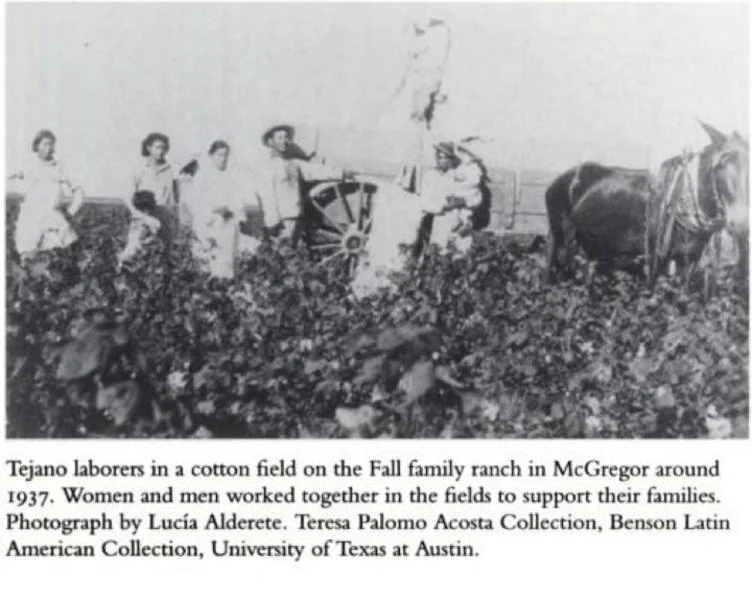
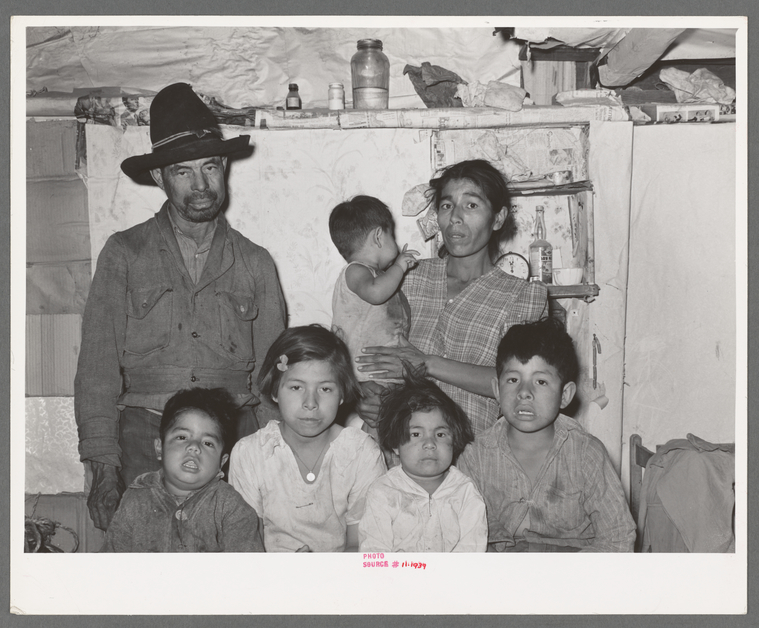
The story does not end with exile and land theft. History tracks a long, stubborn history of resilience, from mutualist organising traditions to civil rights fights and electoral gains across the twentieth century.
Today, we should all remember these origins. When Texas treats Tejano contributions as decorative, it becomes easier to pretend that exclusion simply “happened” later, by accident, as if history drifted off course.
It did not.
A revolution that depended on Tejano participation turned into a republic that narrowed citizenship, narrowed language access, narrowed representation, and weaponised suspicion against the very people whose roots in the region ran deepest.
And that is the part Texans deserve to sit with when they celebrate their “independence.”