After Years of Decline, Monarch Butterflies Are Finally Having a Comeback Arc
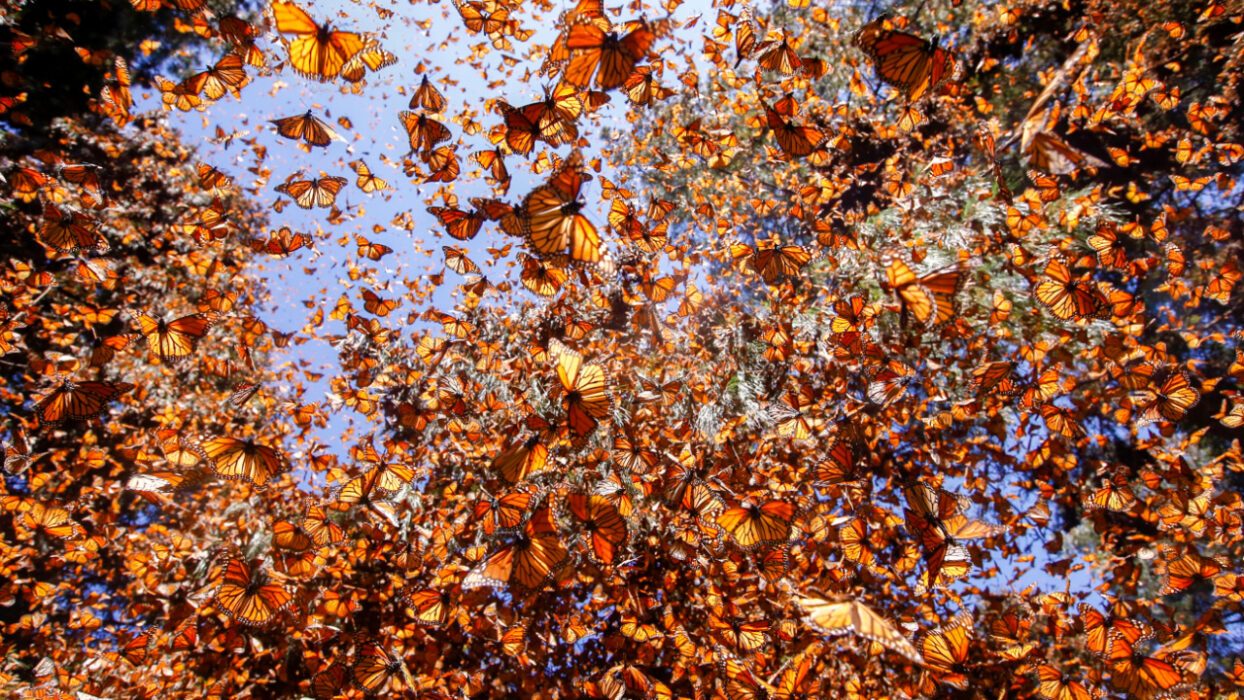
The monarch butterflies are making a comeback. For decades, the monarch butterfly population has been declining. Their winter habitat during migration has also been declining due to deforestation. A new report from the World Wildlife Federation (WWF)-Mexico is giving conservationists and butterfly lovers hope, but they aren’t out of the woods yet. The monarch butterflies, a symbol of migration and resilience in the Latino community, are growing, and people love to see it.
The monarch butterflies are migrating again
Every spring, the monarch butterflies migrate north from Mexico and California towards Canada following the growth of milkweed. The migration takes about two months. The reason the butterflies follow the milkweed is that it is the only plant the caterpillars will eat. The journey north is multigenerational, with one generation starting the trip and subsequent generations continuing north. The new generations hatch along the way.
As the monarch butterflies start their migration north this year, they are doing so in a larger group. According to a study done by WWF-Mexico, there has been a 64 percent increase in the population. Researchers studied the butterflies’ overwintering habitat in Mexico to determine how much land the population covered to estimate a number across nine colonies. According to the study, the monarch butterfly population covered 7.24 acres this year compared to 4.42 acres last year.
Another study looked at the critical forest habitat. The monarch butterflies have been dealing with a steady decline in their habitat due to deforestation. According to researchers, the deforestation trend in the butterflies’ habitat decreased to 6.30 acres compared to 9.21 acres.
“Despite environmental challenges, today’s announcement shows promising signs of recovery for the migratory eastern monarch butterfly population,” Maria Jose Villanueva, WWF-Mexico Director General, said in a statement. “These reports indicate conservation measures are going in the right direction. We also need to remain vigilant and not forget that this unique migration continues to face many challenges. WWF will continue to work together with local partners, the Mexican government, and especially with the local communities who are most critical to this success.”
The important symbolism behind the humble butterfly
You often see the monarch butterflies incorporated in protest art for immigrant rights. The butterfly holds rich symbolism when it comes to the fight for immigration reform and immigrant dignity. It is more than a pretty insect. The monarch butterflies represent the natural process of migration. As they cross the U.S.-Mexico border, they are a tangible reminder of the manmade borders that separate countries and families.
Even deeper, the humble butterfly is a symbol of resistance in the face of harsh migration conditions. The migratory pattern covers more than 3,000 miles, and along the way, the butterflies encounter various dangers. There are natural predators, busy freeways, and dwindling refuges due to climate change. Yet, they endure and make the journey every year.
So, the resurgence of the monarch butterflies this year holds special hope. Not only are conservation efforts moving in the right direction, but it is also another sign of resilience. Despite the mounting challenges, their population grew.