Op-Ed: Latino Voters Are Not a Monolith. Here’s Why Our Politics Don’t Fit in One Box
Did you hear the latest news about Latino voters? According to a Pew Research Center survey, Latinos have decided that they’re done with the Trump administration. Democrats are crowing, and Republicans are sweating recent polls. The survey found that 70 percent of Latinos now disapprove of President Trump’s job. President Trump won 42 percent of the Latino vote in the 2024 elections.
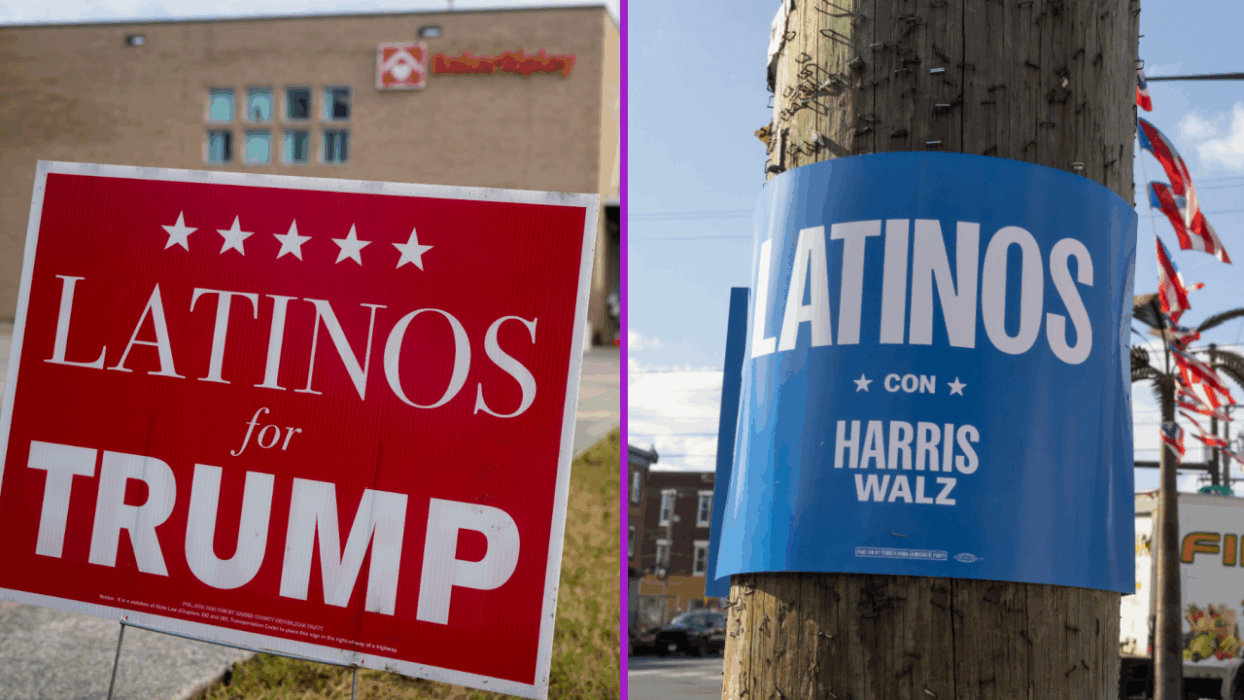
But do you remember what the media said about Latino voters at the end of 2024? Latinos, especially men, had personally ushered President Trump back to the White House. That overly simple narrative relies on a longstanding misbelief: that the diverse millions that make up “the Latino vote” move as one. The idea of a Latino hive-mind is mildly insulting, but the real issue is that it isn’t true and keeps being used in campaigns.
Politicians need to know that Latino voters are not a monolith
The myth originates from the idea that all Latino voters have the same immigration story and, as a result, have the same worldview. Thinking that this seemingly homogenous group reacts to different issues in the same way is an easy and lazy frame of mind. Politicians don’t see a white voter from Oregon sharing the same political stances with a white voter from Alabama. So why would you do that for a Latino voter from California and a Latino voter from Texas?
It’s an uncomplicated way to think about an increasingly powerful and complicated voting bloc. So to help the media and politicians see the nuances, let’s end the Latino voters monolith myth ourselves.
Latinos differ on political views because of some key differences to life experiences: Country of Origin
The term “Latino voter” includes people with origins from at least 20 different countries. As recent events in Venezuela show, a person’s roots influence their political leanings. The politics of a naturalized citizen originally from Venezuela differ from those of a third-generation Mexican-American. Extend that across the other ethnic backgrounds and you can picture the diaspora of Latinos with their distinctive political foundations. History, immigration experience, and generational trauma stemming from fleeing different regimes at different time periods impact voting habits.
Generation
The next crucial factor is migrant generation. Latinos have immigrant origins, but the distance from that original journey is determinative: second- and third-generation Latinos are much more likely to vote their gender or education than their ethnicity. The farther we get from the original migration, the less likely it is that a Latino voter will prioritize immigration over economic issues.
The first-generation American Latino kids grew up in a world of green cards and Spanish speaking households. The third-generation kids are English-only speakers and may feel zero ties to the country of origin, all they know is the United States and they’ll vote that way. It shouldn’t be surprising that young Latinos are more open to conservative ideas.
Gender
The biggest indicator of political difference for Latinos is the gender divide. Polls show that Latinas are likely to vote Democratic and Latino men are more open to voting Republican. Part of that is Latinas improved educational progress and their entry rates into the professional workforce.
At the same time Latino men are increasingly foregoing college for trade schools and blue collar jobs. This segment of Latinos are concerned about practical matters like the economy, gas prices, and taking care of their families. They aren’t as worried about the latest Republican gaffe or political correctness. They are open to new proposals for improving their lives, and they do not care what party they come from.
Considering Latinos a monolith voting bloc is a sure
There are many other factors (education, income, region, religion) but the point stands that 70 million American Latinos will not be contained by one label. Any politician who tries should not be surprised when the Latino vote doesn’t go their way – their message probably only connected with a sliver of the group. America’s largest minority group deserves a sophisticated and nuanced political discussion in 2026. Let’s leave the umbrella terms behind and let the monolith myth rest in peace.

Abram Diaz is a Chief of Staff in the California State Assembly and a lecturer on politics at American River College. He previously served as chair of the California Latino Capitol Association, a group dedicated to growing Latino representation in California politics.