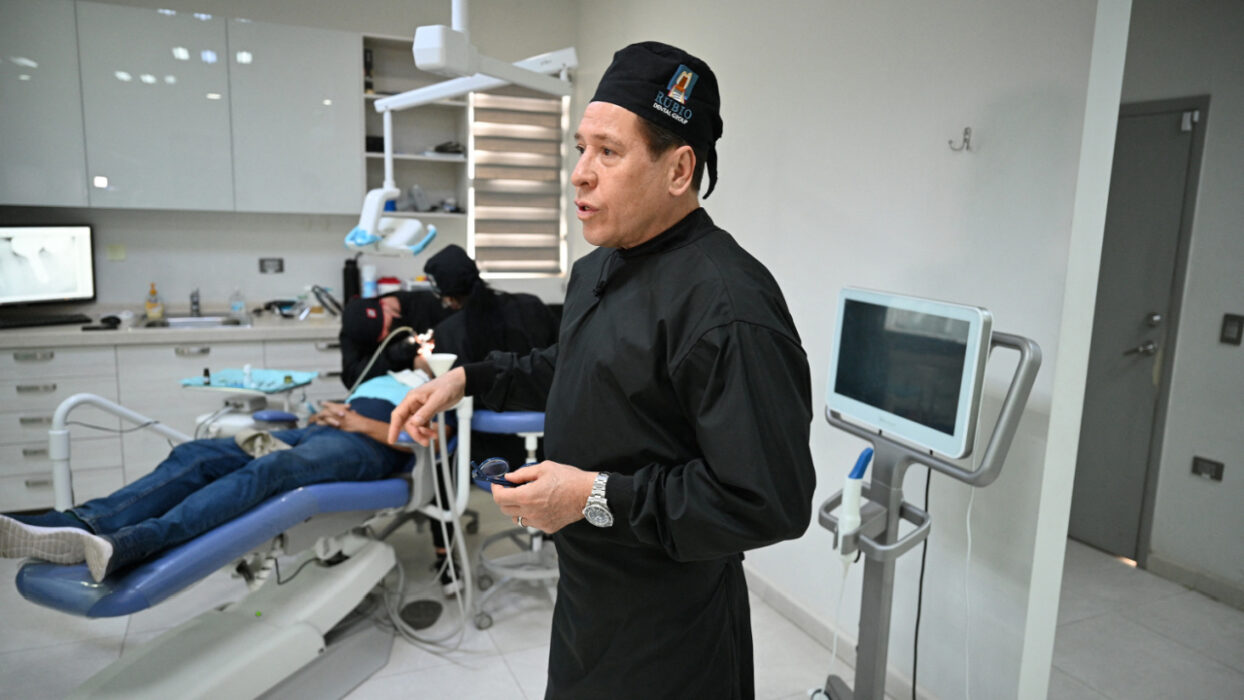
Medical Tourism in Latin America Is Booming and Americans Are a Big Reason Why
Healthcare in the United States leaves a lot to be desired. The healthcare system is built around profit at the expense of people’s health and, in some cases, lives. The American healthcare system has created health tourism around the world for U.S. citizens seeking affordable care for ailments. Countries in Latin America, like Costa Rica, Mexico, Brazil, and Colombia, welcome medical tourists every year seeking affordable healthcare. Let’s take a look at how some Latin American healthcare systems surpass the U.S.
Costa Rica has the best healthcare system in Latin America
Costa Rica has a highly-regarded healthcare system on the international level. It is ranked among one of the best healthcare systems in the world for various reasons, including affordability, accessibility, and focus on preventative care. Costa Rica’s healthcare system draws in medical tourists from around the world. The average cost for healthcare procedures is 40 percent to 70 percent cheaper than in the U.S. and Canada.
The most common procedures people get when traveling to Costa Rica include dental work, cosmetic surgery, orthopedic surgery, and bariatric surgery. More than 40,000 Americans travel to Costa Rica annually for medical care. Overall, Costa Rica’s healthcare system is so good that it has created an industry worth more than $400 million.
Mexico boasts that largest Latin American medical tourism industry
The medical tourism industry is considered the largest in Latin America. The healthcare system draws in more than 1 million tourists annually for medical care. Most of the medical tourists come from the U.S. seeking high-quality and affordable care. Tijuana, due to its proximity to San Diego, is one of the most popular destinations for Americans seeking medical care. Destinations like Los Algodones have long leaned into the medical tourism industry with high concentrations of medical professionals and practices.
The medical tourism industry in Mexico is valued at $1.47 billion. It is estimated that the market will grow to more than $10 billion by 2033. It is interesting that so many Americans are willing to travel to Mexico for healthcare. However, voters can’t seem to hold politicians accountable when it comes to making healthcare accessible and affordable in the U.S.
The U.S. can learn a lot about health insurance from Brazil
Brazil offers an expansive public healthcare system for citizens and residents. There is also private health insurance that people can purchase to supplement the care that they can access for free. Private health insurance in Brazil is much more affordable than in the U.S., but there are affordability issues for low-income Brazilians. However, the robust public healthcare system offers a lifeline to people in Brazil that is non-existent in the U.S. It can range from R$300 to R$1,500 (~$58 USD to ~$290 USD).
Where Brazilian private health insurance is better than that in the U.S. is that it is much more comprehensive. The health insurance covers maternity and pre-existing conditions, unlike health insurance companies in the U.S. The Affordable Care Act (ACA) changed how health insurance companies could treat pre-existing conditions. Previously, health insurance companies could deny coverage or treatment for conditions like cancer, diabetes, and pregnancy by listing them as pre-existing conditions.
Something all of these countries have in common: more affordable care than the U.S.
These are just a couple of examples of healthcare systems throughout Latin America and how they stack up to the U.S. Like all healthcare systems and government agencies, there are weak points and overlooked aspects. However, the U.S. offers some of the least affordable and accessible healthcare in the world. Countries across Latin America have created and expanded access to affordable, and sometimes free, healthcare for their citizens. The systems are so efficient and enticing that it is drawing in U.S. citizens as tourists for medical care.
Some estimates claim that more than 1 million Americans go abroad annually for medical care. Dental care accounts for about 470,000 of these annual trips. It’s hard to argue against it. For example, a root canal in the U.S. can run you anywhere between $800 and $1,500. In Mexico, the same procedure costs between $450 and $550.
People living in the U.S. pay the highest costs for medical care per capita for any developed nation. Yet, our life expectancy doesn’t break into the top 25 in the world. Meanwhile, data trends show that the U.S. life expectancy is expected to increase from 78.3 years in 2022 to 79.9 years in 2035 and to 80.4 years in 2050. According to the Institute for Health Metrics and Evaluation at the University of Washington, the U.S. will place 66th globally for life expectancy by 2050.