WATCH: Bad Bunny Pays Tribute to Murdered Singer Víctor Jara in Chile at a Stadium Once Used as a Detention Center
On paper, it looks like a quick musical flourish. In the stadium, it landed like a message.
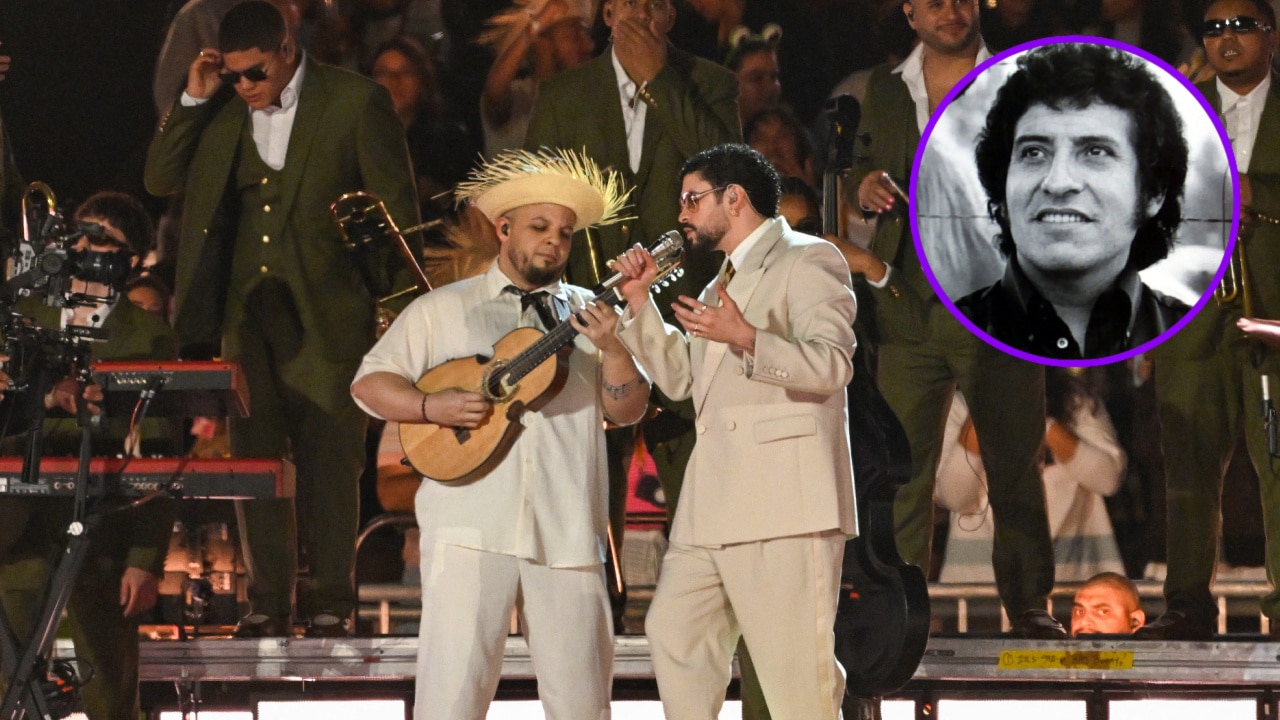
When Bad Bunny opened his 2026 tour stop in Santiago, Chile, one of his backing musicians played an instrumental version of Víctor Jara’s “El Derecho de Vivir en Paz” on a mandolin. Rolling Stone described it as “a short moment with weighty implications.”
The crowd did the rest, cheering and shouting lyrics that Chileans have carried through decades of grief, protest, and survival.
Bad Bunny set the tone before he even sang
The tribute arrived at the beginning of the show at Estadio Nacional, before the set fully unfolded. The arrangement stayed delicate and instrumental, but the reaction in the stands sounded anything but quiet. People recognized the chords immediately. And soon the stadium became a chorus.
Rolling Stone framed it as a nod to “the album’s resistant and political nature,” and a deliberate salute to Chile’s “storied political history.”
The song Bad Bunny chose already had a long afterlife
“El derecho de vivir en paz” was released in 1971. I was Víctor Jara’s protest song against U.S. intervention in the Vietnam War, written as a tribute to Ho Chi Minh.
But Chile remade the song through experience. It later became a symbol of protest against Chile’s military dictatorship under Augusto Pinochet. Decades later, it became an anthem for the 2019–2022 Chilean protests.
So when Bad Bunny’s band brought it into a pop stadium in 2026, everyone understood the reference.
Víctor Jara’s story turns that stadium into a charged location
Víctor Jara was a Chilean teacher, theater director, poet, singer-songwriter, and Communist political activist. Chile’s military arrested him shortly after the September 11, 1973 coup led by Augusto Pinochet that overthrew President Salvador Allende. Jara was incarcerated in a stadium, tortured during interrogations, and later shot dead.
Bad Bunny performed in a very similar place. The Pinochet regime used the Estadio Nacional as a detention and torture site. It was in a place like that where Jara endured torture, including guards breaking his fingers, while he kept singing in protest.
The stadium’s past lives in the architecture
After the September 11, 1973 coup, the stadium where Bad Bunny opened his 2026 world tour was used as a detention facility. Over 40,000 people spent time in the compound during the junta regime. Similarly, twelve thousand detainees were interned between September 11 and November 7. The Red Cross estimated 7,000 prisoners occupied the stadium at one point.
In 2011, Chile set aside a section of the stadium called “Escotilla 8” to honor prisoners detained there. The space is currently surrounded by a barbed wire fence.
Bad Bunny in Chile also carried other songs with memory attached
Furthermore, Rolling Stone reported that along with “El Derecho de Vivir en Paz,” Bad Bunny’s band also played instrumental covers of Violeta Parra’s “Gracias a La Vida,” and Jara’s “Te Recuerdo Amanda.”
Those choices place the tribute in a wider lineage of Chilean protest music and identity that survived political violence, censorship, and exile.
The timing feels raw across Latin America
Bad Bunny’s choice of repertoire isn’t random. It coincides with a military intervention in Venezuela and the resurgence of the extreme right, both in Argentina and Chile, two of the countries that experienced the cruelest dictatorships during the 20th century. Dictatorships instated, by the way, with the help of the United States.