
Flores El Patrón Made Ramos Buchones Go Viral on TikTok — Here’s His Story
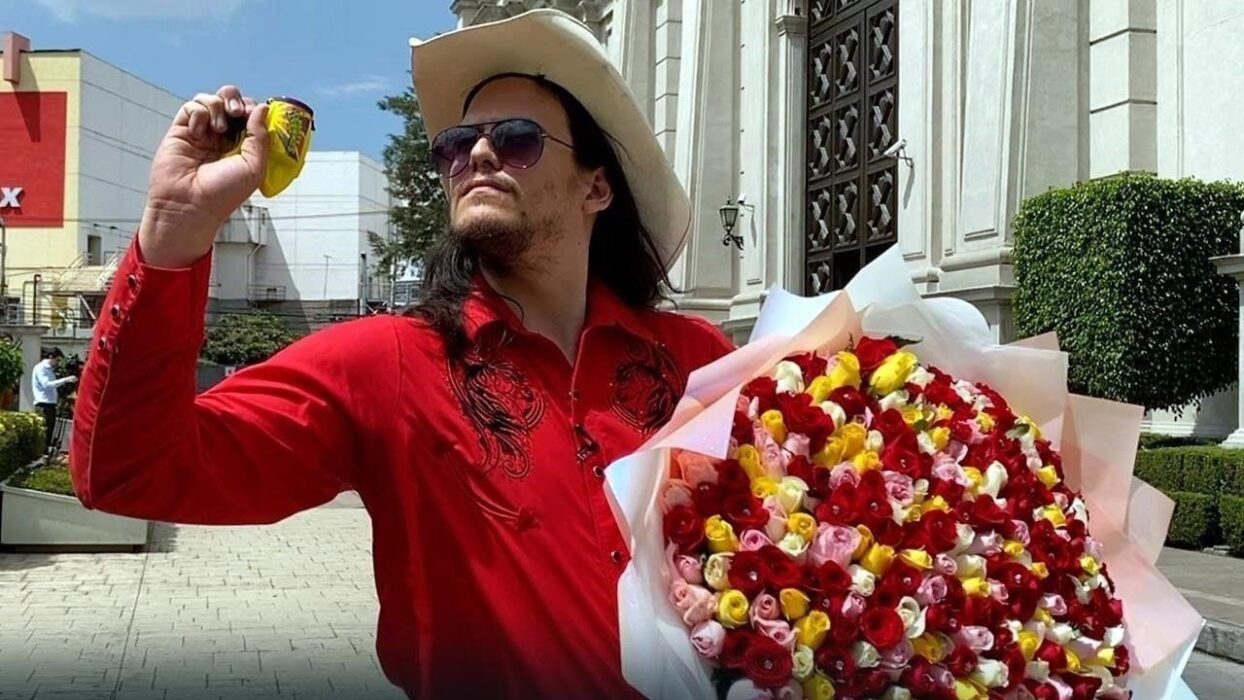
If you’ve been on TikTok in the last few years, you’ve seen him. He shows up at someone’s door with music blasting, a sombrero, dark sunglasses, and a confetti gun. In his hands? Flowers, but not just any kind. He comes to show love with Ramos buchones.
His name is Raúl Tupac Amaru García Flores. But on TikTok, he’s Flores El Patrón.
And his story is one we can all relate to. In fact, we all agree with the comments: “I wish someone would bring me flowers like that.” Even if it might be awkward, and that’s the point.
Flores El Patrón Began During The Pandemic Years
Raúl was studying engineering at the Universidad Iberoamericana when COVID hit. Like many people, he ended up with a degree and no job. That’s when he started selling flowers at traffic lights.
Things were hard, and his initiative wasn’t working. He tried selling online, but that failed too. Wholesale didn’t stick. By 2022, he’d tried everything and was running out of ideas.
So he did what desperate yet smart people sometimes do: he watched and studied. He stood at a traffic light and observed people buying flowers. Then he realized the process was boring. Someone handed over cash, someone handed over flowers, and they left. Five minutes later, nobody remembered it had happened.
What if, he thought, the memory was what people actually wanted to pay for?
In August 2022, he showed up at someone’s door as a character. With music, confetti, and attitude, he created a moment. Raúl filmed it and posted it online. The rest is history. By the end of that year, he was making money. By 2024, he was doing 12 million pesos in revenue with 75% margins. All five investors on Shark Tank México backed him.
A guy selling flowers at traffic lights figured out a business model so obvious in hindsight that it’s shocking no one else thought of it first. Can anything be more Latino than that?
How Flores El Patrón Became A Business
Today, flowers from Flores El Patrón cost between 2,000 and 7,000 pesos, depending on size, with free delivery in Mexico City. The show is priceless. You can see it on TikTok.
However, it all started thanks to Raúl’s audacity at Shark Tank Mexico.
During his presentation, the entrepreneur explained that he was seeking financing to purchase land and build greenhouses, aiming to reduce costs and ensure the quality of the flowers. “In 2024, we’ve generated $12 million (pesos) in sales, with an estimated year-end projection of $35 million; we have a gross profit margin of 75% and a net profit margin of 47%,” he explained to the “sharks.”
And they were captivated. The agreement included the transfer of a 5% stake in the company and the payment of 20% royalties until the investment is recouped, marking a decisive step toward the business’s professionalization and expansion.
The Tradition Behind it All
The term “buchón” has its roots in Mexican culture and refers to people with a flashy, extravagant lifestyle. Buchón bouquets, therefore, embrace this eye-catching attitude and translate it into floral arrangements that certainly don’t go unnoticed.
Ramos buchones have been around in Mexico for decades, especially in the north. You see them at quinceañeras, weddings, or simply when someone decides they need to say “I love you” so loudly the whole block hears it. The arrangements are oversized, sometimes stuffed with cash, and topped with teddy bears and bottles of whatever. However, the message is always the same: this person matters enough to make a spectacle.
Latino culture gets this. After all, a party that nobody sees isn’t really a party, is it? A quiet declaration of love isn’t really a declaration, or at least not a proud one. Quinceañeras are baroque, weddings are loud, and even funerals—especially funerals—are moments to immortalize.
And Ramos Buchones are deeply rooted in that tradition.
By 2022, this tradition was fading. Maybe it was the late stages of capitalism, or newer generations and their social media obsession were weary of hacer el ridículo. Something was changing. While some still bought them, the delivery was merely transactional.
That’s when Raúl understood something important: the tradition was never about the flowers. It was always about the moment. And that moment was precisely what made people cry with emotion (or embarrassment).