‘Ya Comiste?’ and All the Other Ways Latina Moms Say ‘I Love You’
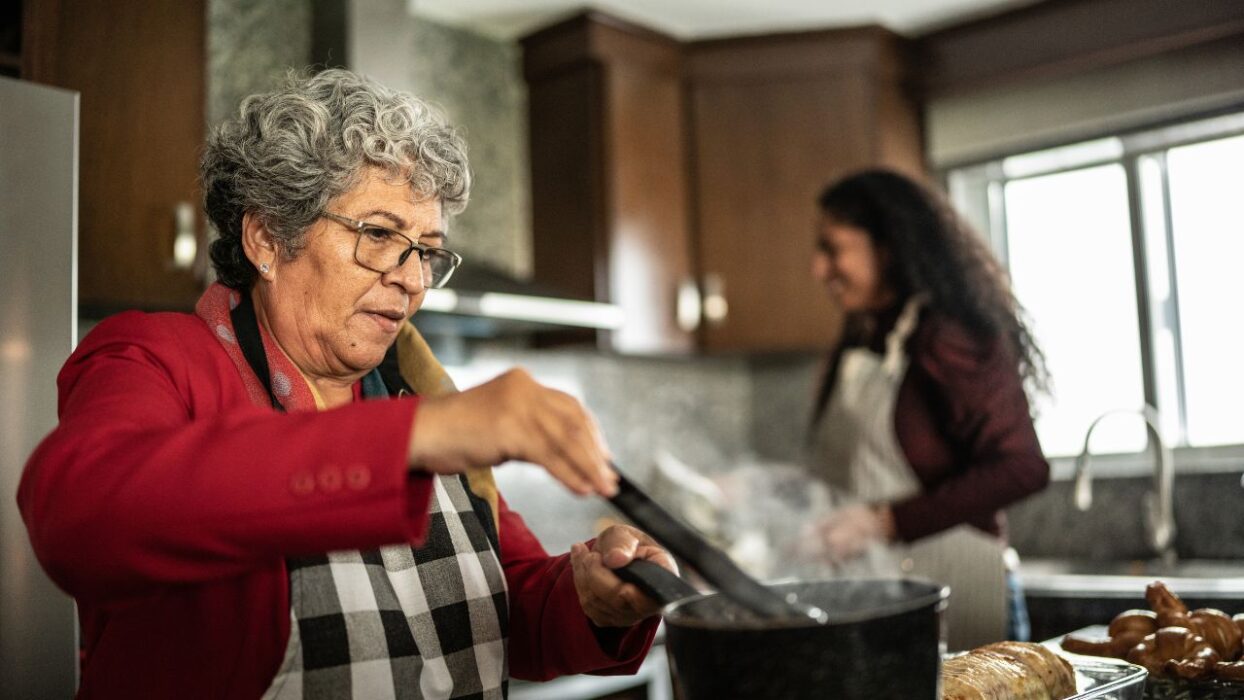
Latina moms do not always say “I love you” the way other moms do. Sometimes they say it with a plate, with a missed call, three follow-up texts, and “avísame cuando llegues.”
Sometimes they say it by criticizing your outfit with the precision of a fashion editor who also believes the world is dangerous and you are still, somehow, eight years old.
And we wouldn’t have her any other way.
Across social media, and especially this week, people agree that in a lot of Latino households, love does not always arrive as soft words. It arrives as food, protection, worry, sacrifice, and a very specific kind of emotional surveillance that can feel annoying in the moment, then devastatingly tender years later.
One TikTok user, @elder.historian, said, “Mexican culture doesn’t say ‘I love you’ the way people think it should.” Instead, the creator described a mother who wakes up before everyone else to make sure her kids eat, asks endless questions because “your safety is her whole world,” and loves “consistently, stubbornly, and without asking for credit.”
After all, in many Latino families, “I love you” was never absent. It was just encoded.
“Ya comiste?” is never really about food.
Let’s start with the obvious one.
“Ya comiste?” may be the most famous love language in Latino culture because it is never just about whether you ate.
Yes, it’s about food. But it’s also a wellness check. In Latina mom language, it becomes a small audit of your entire condition and, sometimes, a way to bury the hatchet. It’s mamá’s way of asking, “Are you alive, fed, and still connected to me?”
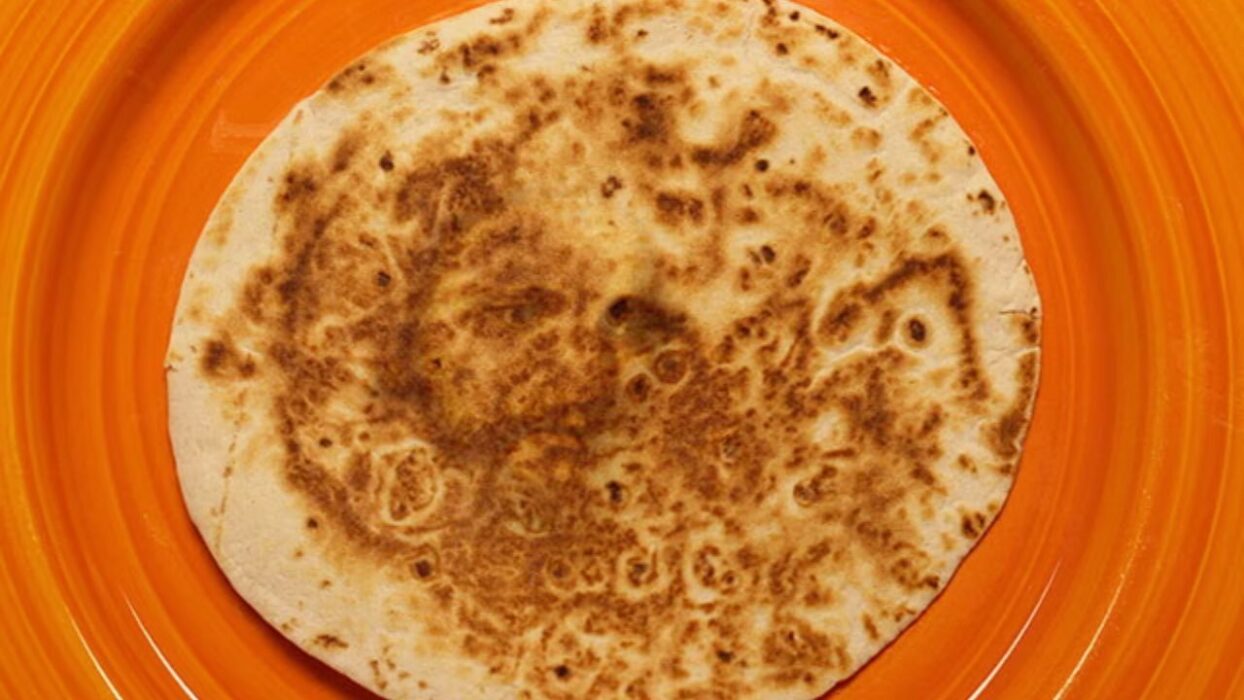
In another TikTok, @la.jefa9779 described the thousand tiny ways Latina moms show love, from warming tortillas on the comal to slipping snacks or money into your hand “para que no te dé hambre.” The creator said that even when a mom is mad, she will still ask, “Ya comiste?” because “in her world, love is food, warmth, care, and making sure you’re okay.”
A Latina mom can be in the middle of an argument, fully offended, spiritually exhausted, and still ask if you want arroz. In fact, she can be mad at you and still pack leftovers.
The questions are annoying until you understand the fear underneath them.
If you grew up with a Latina mom, you know the repertoire: “Apenas llegues me llamas,” “¿Con quién vas?”, “¿A qué hora vuelves?”, “Ese amigo tuyo no me gusta.”
Latino motherhood can carry a heavy dose of control, and we agree that we do not need to romanticize every part of that.
But the internet conversation around Latino moms is so emotionally charged because many people are now old enough to understand the fear inside the questions.
The truth is, when you grow up in families shaped by immigration, economic instability, violence, machismo, or the simple knowledge that the world is not equally safe for everyone, motherhood is also different. A mother who grew up watching life punish people for one wrong move may raise her children like danger is always waiting outside the door.
So yes, she asks too much. But sometimes she asks because her imagination has already gone to the worst place.
And sometimes, “Call me when you get there” is the closest she can get to saying, “I cannot sleep until I know the world did not take you from me.”
A Latina mom’s love can be tender, and dramatic, and not just because of telenovelas.
Of course, we cannot talk about Latino moms without talking about the theater of it all.
Because nobody delivers emotional devastation like a Latina mother standing in a kitchen, holding a sponge, saying, “Como aquí tienen a la sirvienta que les hace todo…”
And you can blame Caracol for that.
The classic phrases are legendary for a reason:
“¿Ustedes qué creen, que esto es un hotel?”
“Tu cuarto parece un chiquero.”
“Me vas a volver loca.”
“Yo te conozco si te parí.”
“Cuando tengas hijos, te vas a acordar de mí.”
“Mientras vivas en mi casa, aquí se hace lo que yo diga.”
“No me contestes ni me levantes la voz.”
“Yo te lo dije… yo soy tu mamá y punto.”
Every Latino kid has heard some version of “un día de estos se levantan y no me van a encontrar, y a ver qué hacen.” It is dramatic, yes. But underneath the drama is a mother asking to be seen.
And maybe we shouldn’t have to wait for Mother’s Day to let them know we see them. But here we are.
Jokes aside, a Latina mom’s “Tough love” can protect, but it can also leave a mark.
El amor de mamá is unique, but it’s also complicated.
The same “tough love” that pushed many of us to be resilient also taught some of us to confuse criticism with care. What’s more, the same sacrifice that held the family together sometimes came with guilt attached.
It is possible to honor the mother who did everything for you and still admit that some of it hurt. It is possible to laugh at “te voy a dar razones para llorar de verdad” and still know that fear is not the same thing as emotional safety. And that’s another way of celebrating motherhood, because, in the end, it’s up to us to shape what we inherited.
Because love does not become less real when we examine it. If anything, it becomes more human.
And the older you get, the more the little things start to hit
There is a reason these posts are resonating so much right now. Many of us are reaching the age where we can finally see the labor behind the love. Some of us are even seeing many things we disliked about mamá in ourselves, and it makes sense.
Suddenly, the early mornings, packed lunches, late nights doing homework, or taking care of us when we were sick are more valuable than ever.
When you are young, those things can feel ordinary because they are constant. When you get older, you realize constant care is not ordinary at all.
That is probably why “ya comiste?” now feels like a blessing. It is small enough to sound casual, but big enough to make you feel that, despite everything, you are still safe.