Behind the Leaf Emojis and Discounts, 420 Carries a Heavier History in Latin America
Every April 20, the internet fills with leaf emojis, and dispensaries run discounts. Someone brings up Bob Marley for no reason, and a date turns into a global code everyone seems to understand.
Still, the story people usually tell about 420 is incomplete.
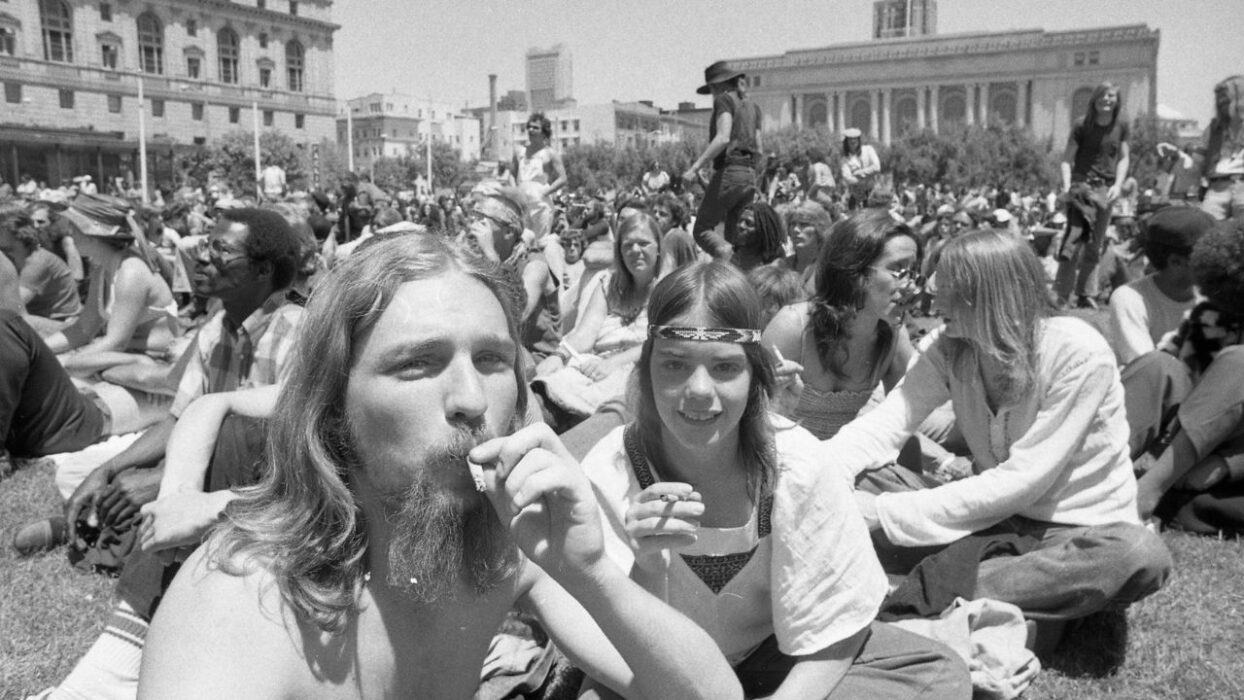
Yes, according to USA Today and PBS, the most widely accepted origin of 420 traces back to a group of California teenagers. It was the early 1970s, and they called themselves the Waldos. The phrase then spread through the Grateful Dead’s orbit. And then through High Times magazine until it hardened into cannabis shorthand and, eventually, a holiday.
But if 420 has become a ritual of public gathering, political agitation, and cultural identity, that history does not stop in Marin County. It keeps moving south, through Mexico City. It moves through Latin America’s long and contradictory relationship with cannabis, through colonial routes, criminalization, public protest, and the unfinished fight over who gets punished, who gets rich, and who gets to call the plant culture.
The roots of 4a20 may be Californian. Its political life, however, has long been entangled with Latin America.
So where did 420 actually come from?
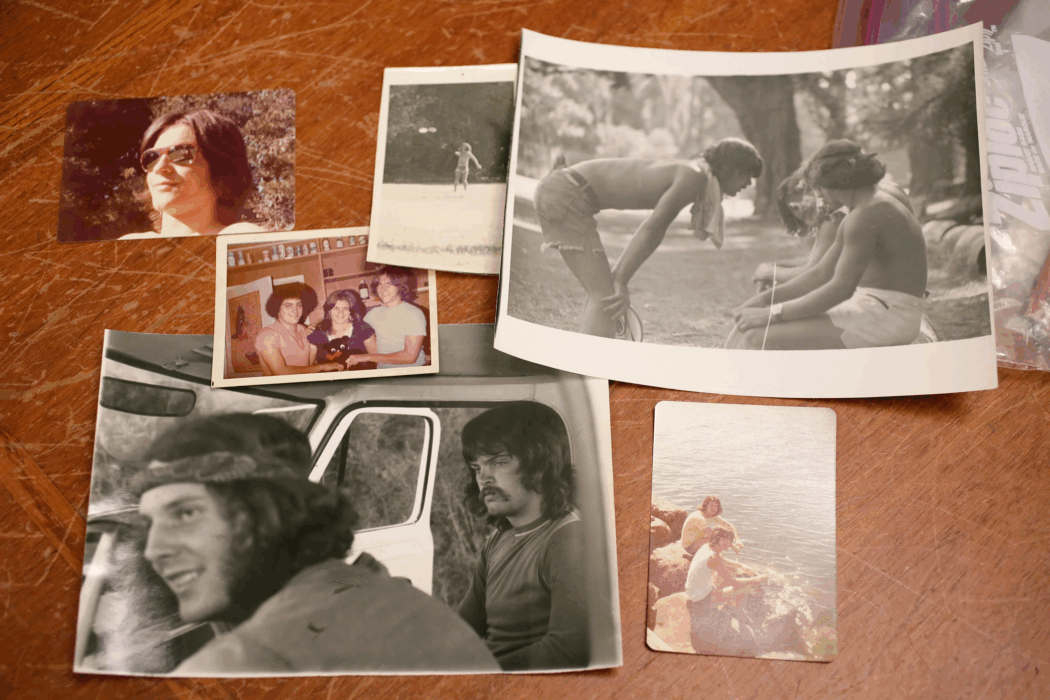
According to USA Today, April 20, or 420, became shorthand for marijuana culture. It did so through a group of students at San Rafael High School in Marin County, California, including Steve Capper, Dave Reddix, Jeffrey Noel, Larry Schwartz, and Mark Gravich, who met after school at 4:20 p.m. in the early 1970s. The group became known as the Waldos. As the paper reported, they met by a wall at school and used “420” as code for smoking.
The outlet reported that the Waldos, described as “a group of bell-bottomed buddies from San Rafael High School in California,” were chasing a rumor. It was about an abandoned cannabis crop in the woods at Point Reyes. During the fall of 1971, they would meet at 4:20 p.m. at the school’s statue of chemist Louis Pasteur. They would smoke a joint and head out in search of the patch. They never found it. Still, the private language they built around that search, first “420 Louie” and later “420,” outlived the original mission.
How 420 escaped California and became a ritual
According to PBS, one of the Waldos had a brother who was close to Grateful Dead bassist Phil Lesh. The group began spending time in the band’s orbit. That is where the slang started to spread. USA Today similarly reported that Waldo member Dave Reddix later worked as a roadie for the Grateful Dead. This helped move the phrase outward through a scene already built around touring, oral culture, and coded community.
Then came the flyer.
In December 1990, some Oakland Deadheads handed out a flyer inviting people to smoke on April 20 at 4:20 p.m. A High Times reporter obtained it and published it in 1991. PBS reported the same basic moment, citing a handbill that urged people to “meet at 4:20 on 4/20 for 420-ing in Marin County at the Bolinas Ridge sunset spot on Mt. Tamalpais.” Once High Times published it, the phrase left California and entered cannabis media, fan culture, and then national pop consciousness.
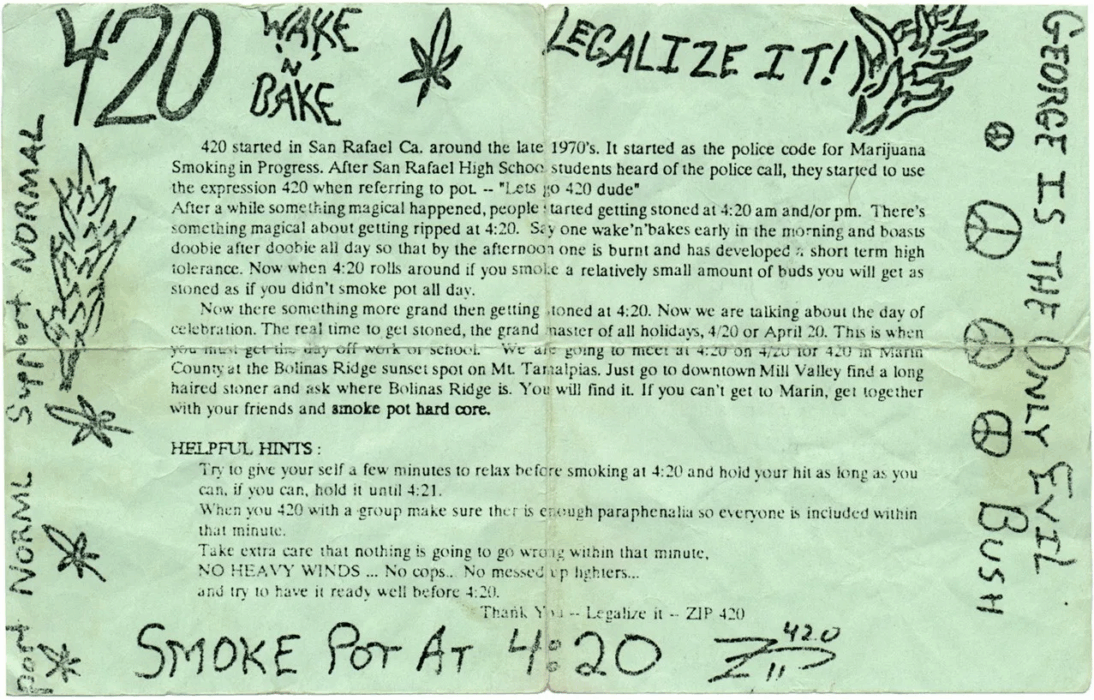
However, some argue that High Times first mentioned a 4:20 smoking practice and a 420 holiday in May 1991. Though the magazine initially repeated the false claim that the term came from a police code. The direct connection to the Waldos appeared later, in December 1998. At that time, Steven Hager helped solidify the story and argued that Grateful Dead followers played a key role in the phrase’s early spread.
By that point, 420 had already begun to shift from code to a holiday. According to PBS, Steve Bloom of High Times later said that while the Waldos came up with the term, the unknown people who made the flyer effectively helped turn 420 into a holiday. Bloom, reflecting in 2013, said that “they wanted people all over the world to get together on one day each year and collectively smoke pot at the same time. They birthed the idea of a stoner holiday, which April 20 has become.”
The political side of 420 has always been there
The easiest version of 420 is the folkloric one. A hippie, counterculture trope has evolved into discounts and themed food deals, dispensary promos, and even meme language. The date now functions as a beloved, unofficial holiday for marijuana enthusiasts. It is a sort of shorthand for both the plant and its consumption.
Still, the date has never been only about indulgence. USA Today notes that 420 has become a day activists and supporters use to call for broader legalization and federal decriminalization in the United States and beyond. It is also an occasion for activists to reflect on how far the movement has come and how slowly federal reform has followed. The article points to the gap between state-level legalization and the much slower pace of national change. This includes disputes over banking restrictions, federal penalties, and Congress’s inability to agree on even modest reforms.
This way, April 20 has long been an international counterculture holiday. It is observed by cannabis counterculture, legal reformers, entheogenic spiritualists, and general users of cannabis. Events across North America, Europe, and Oceania often explicitly advocate for cannabis liberalization and legalization. In that telling, 420 has always been split between celebration and civil disobedience.
That is an important distinction. The holiday is often treated as unserious by design, a joke date for people with the munchies. Yet its public life has always carried an argument inside it: that laws around cannabis are political choices, not natural facts. And that public gathering can challenge them.
Once that argument enters the picture, Latin America cannot be left out of the story.
420 starts in California, but the plant’s history in Latin America runs much deeper
Cannabis entered Latin America in the 16th century through Spanish and Portuguese colonists, primarily for hemp fiber. Spain brought cannabis to Chile in 1545 and to Mexico for hemp production. Meanwhile, Portuguese slave ships introduced it to Brazil.
Very quickly, the plant became something else as well.
Psychoactive use spread through enslaved Africans in Brazil. Over time, cannabis moved from a colonial agricultural commodity into a criminalized substance closely tied to class, race, labor, and the social panic that states often build around poor people’s habits.
Long before 420 became a California code, Latin America had already lived through the plant as an empire. It had experienced it as a labor commodity, as a stigmatized popular drug. And, eventually, it became a legal and political battlefield.
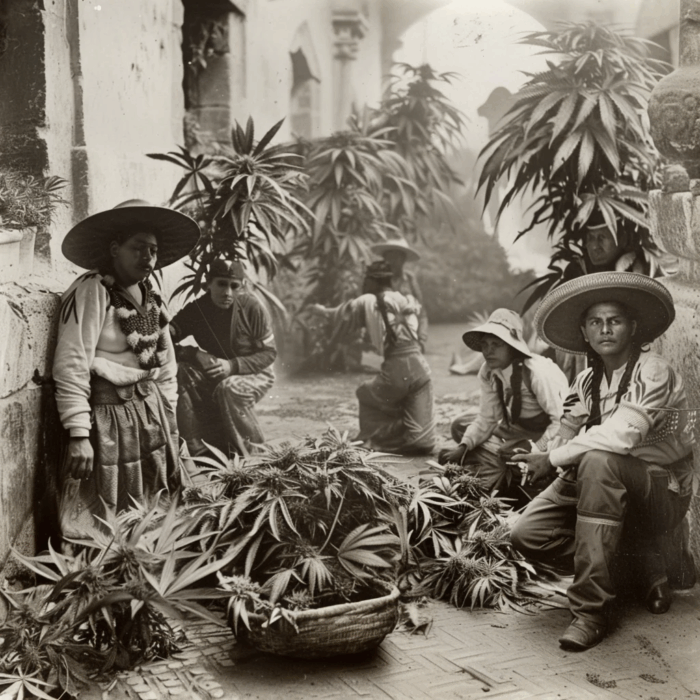
The regional trajectory was not uniform. Brazil, where cannabis became known as maconha, saw some of the earliest restrictions in 1830. At that time, the Municipal Council of Rio began regulating use under pressure from religious authorities. By the early twentieth century, several countries had moved toward criminalization, following both international prohibition frameworks and U.S. influence. Then, in the 1960s and 1970s, North American demand helped transform cannabis into a major illicit economy in countries like Colombia and Mexico.
That is where the 420 story begins to intersect with Latin America. The same period that gave the United States its high-school-origin myth also deepened the drug-war structures that would later devastate large parts of the region.
That unevenness still haunts the holiday.
420 in Mexico was never going to stay apolitical
In Mexico, 420 developed a public language that looks very different from the commercialized American script. One of the clearest examples came through #Plantón420 in Mexico City.
According to Caitlin Donohue’s 2020 reporting, a coalition from the Movimiento Cannábico Mexicano set up a semi-permanent protest camp in front of the Mexican Senate building as lawmakers debated legalization. The camp was both a literal occupation and a symbolic pressure. Donohue described it as a “not-so-subtle reminder to politicians that marijuana consumers and cultivators exist and are watching how all this legalization will play out.”
That image is worth sitting with. In the U.S., 420 is often framed through sales, festivals, or public smoke-outs. In Mexico City, it became a plantón, a camp as a pressure point outside legislative power.
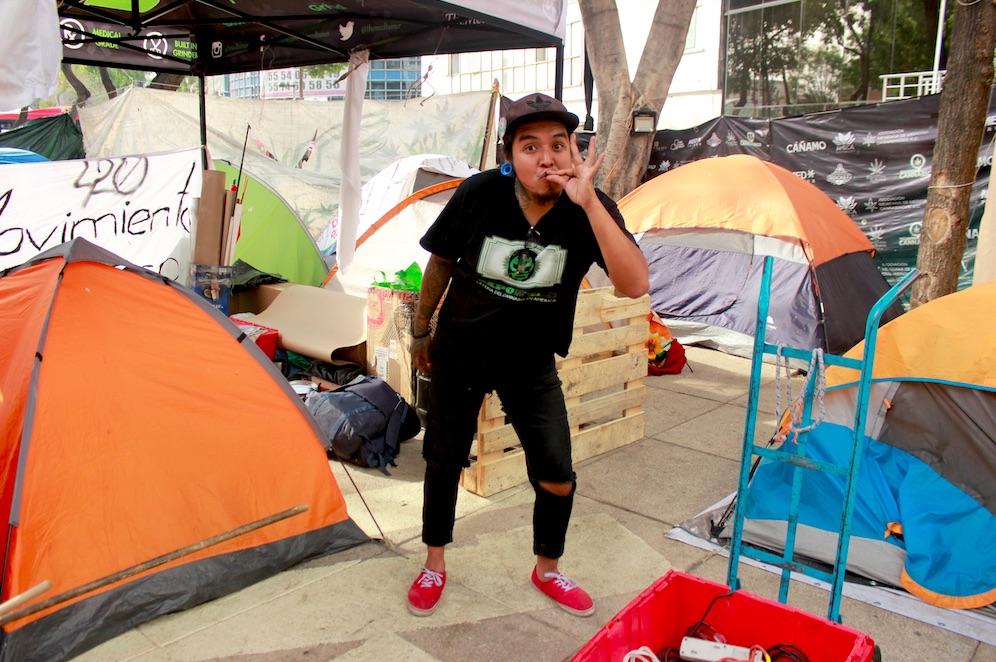
The slogan at the camp was “Venir a fumar también es apoyar,” or “Coming to smoke is another way to support.” Workshops, freestyle battles, speeches, and cultivation activities unfolded in the plaza. Donohue reported that volunteers had donated marijuana seeds, which matured enough that someone eventually rolled a joint from a Senate-grown bud. Organizers expected to stay for months, or at least until lawmakers legalized cannabis.
There is humor in that scene, clearly. But there is also resistance. Donohue quoted DJ and stylist Juan Fortis, reflecting that he appreciated “being able to see the groups who came to protest for cannabis rights.” He later added, “I hope that legalization becomes a way of taking power from the narcos, ending the violence against marijuana consumers and introducing a new era of responsible consumption.”
That is a very different political register than the American fantasy of harmless stoner nostalgia. In Mexico, cannabis activism has had to speak in the shadow of cartel violence, state failure, and decades of militarized drug-war logic.
Why 420 sounds different in Latin America
That difference stems from the region’s broader political relationship to prohibition and reform.
Latin America has experienced what many describe as a “green wave” in the 2010s and after. Uruguay became the first country in the world to fully legalize recreational cannabis in 2013. Argentina passed laws for medical cannabis research and use in 2017. Mexico’s Supreme Court has ruled in favor of recreational use, moving the country toward regulation even as the legislative process remains uneven and incomplete.
At the same time, criminalization and stigma remain deeply present in many places. Reform has advanced, but it has not erased the social memory of punishment.
That is why 420 in Latin America cannot be imported from the United States as a fully formed ritual. The date arrives in a region where cannabis has been shaped by colonial agriculture, racial stigma, prohibition, illicit trade, militarized enforcement, and public-health debates.
420 and the long argument over who gets punished
One of the hardest truths around 420 is that the holiday can obscure the unequal history beneath it.
In the United States, as PBS reported, activists have used the date to push for federal descheduling, pardons, and reforms that address the damage the drug war inflicted on communities of color. The article specifically noted calls for the federal government to stop using marijuana convictions to deny benefits or trigger deportation.
That history resonates differently, but no less sharply, in Latin America. There, too, cannabis has long existed in a legal economy of selective punishment. The plant moved through working-class communities, rural growers, and popular use long before states decided to criminalize it in the name of order. Once they did, the burden rarely fell equally.
That is why the phrase “the opium of the poor,” which constantly appears in the historical background, carries so much weight. It captures how cannabis was classed and stigmatized early, not simply prohibited. The issue was never only the plant itself. It was also the people associated with it.
So when 420 is reduced to snack deals, pot-shop branding, and internet irony, there’s a whole chapter in history that gets erased. The date carries that commercial energy now, certainly. But it also carries an archive of punishment, resistance, and legal struggle that stretches far beyond the Waldos’ after-school code.