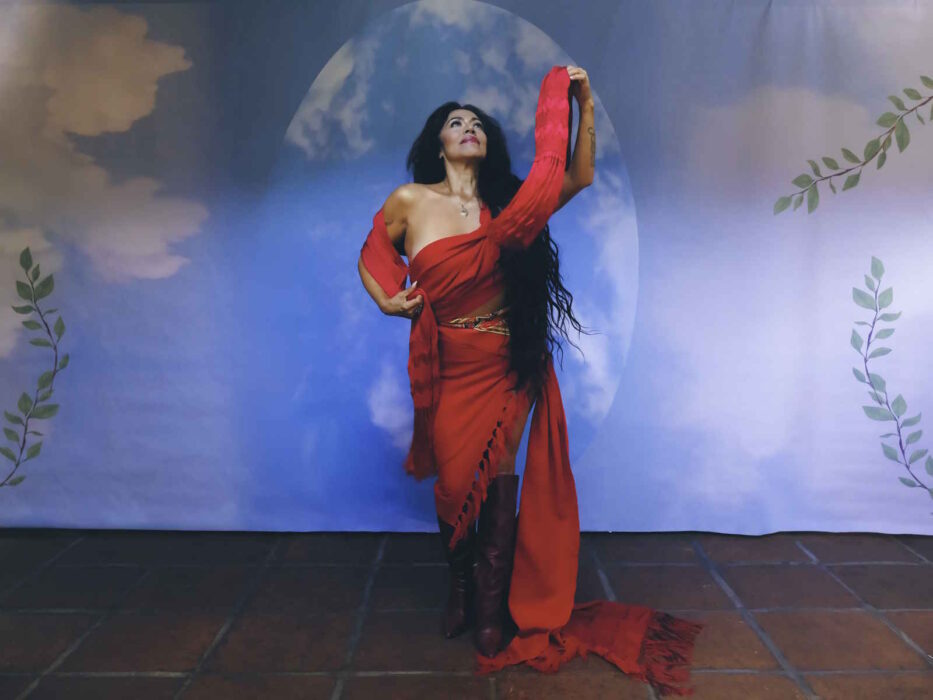
All the Times Shakira Proved She Belongs in the Rock and Roll Hall of Fame
If you think Shakira’s fame began with “Hips Don’t Lie,” consider her earlier legacy. For those over 35, Shakira is an icon of Latin American rock who later made creative decisions that, while unconventional, benefited her career.
That’s why when the Rock and Roll Hall of Fame nominated her for induction, it seemed like the most natural thing in the world to us.
However, despite her strong legacy, Shakira wasn’t selected. With that in mind, we’ve decided to look back on all the times Shakira proved she’s a true rocker.
The Alanis Morissette of Latin America
At 13, Shakira released her debut, Magia, in 1991—a pop-rock album she largely wrote herself. Though not a hit, it earned her a spot at the 1993 Viña del Mar Festival in Chile, gaining her recognition.
After an unsuccessful album and a brief soap opera stint, Shakira scored her first hit with “¿Dónde Estás Corazón?” in 1994, convincing Sony Music Colombia to release her third album.
At 18, Shakira became our Alanis Morissette, showing girls they could be rockers with intelligent lyrics.
Songs like “Antología,” “Pies Descalzos,” and “Estoy Aquí” became pure rock anthems for a generation.
The album hit number five on Billboard’s Top Latin Albums chart in the U.S. and produced six top-twenty singles.
Then came Dónde Están los Ladrones.
After meeting Emilio Estefan and losing her next album’s songs to theft in Bogotá, Shakira created her best work yet.
Dónde Están Los Ladrones was classified as a pop album, with arrangements and compositions by Shakira herself, and featuring unparalleled lyrics. It became one of the best albums in history, according to Rolling Stone, and exerted musical influence as far as the Middle East.
Her cover emulated Medusa, while lyrics referenced Marx, Sartre, and Weiss. In another, she imagined God returning to a world in chaos.
With “Ojos Así,” Shakira brought Arab influences to Latin pop.
An Iconic MTV Unplugged
For those who still doubt the songwriting prowess of the Shakira of yesteryear, one need only watch the MTV Unplugged episode where she demonstrated her talent as an arranger. Unique percussion, an impeccable voice, and even mariachis made that album a cornerstone of Latin American music.
Even during the crossover, Shakira remained a rocker.
With the turn of the century, Shakira transitioned over the linguistic barrier. Without a firm command of the language, she released Laundry Service. Many loyal fans at the time saw this as a shift away from her roots, while she retained pop-rock melodies, dyed her hair blonde, and appealed to a new audience.
Yet her musical mastery remained. “Underneath Your Clothes,” “Objection,” and “Poem to a Horse” showed her talent transcended language.
By the time of Fijación Oral, the magic was already fading, but the star was consecrated.
Younger fans likely joined with “La Tortura” as Shakira became a global phenomenon. The music shifted from rock, but on stage, she still offered gems like “No,” “Día de Enero,” and “La Pared.”
The English Volume 2 broadened her fanbase. “Hips Don’t Lie” marked the full genre and language crossover, though she also released hits like “Illegal” with Carlos Santana.
The rest, as they say, is history.
Today, Shakira is regarded as one of the most successful artists of all time. While her style evolved from philosophical, Latin American rock to global hits like “Rabiosa” and her collaboration with Bizarrap, her early career remains deserving of recognition in the Rock and Roll Hall of Fame.