
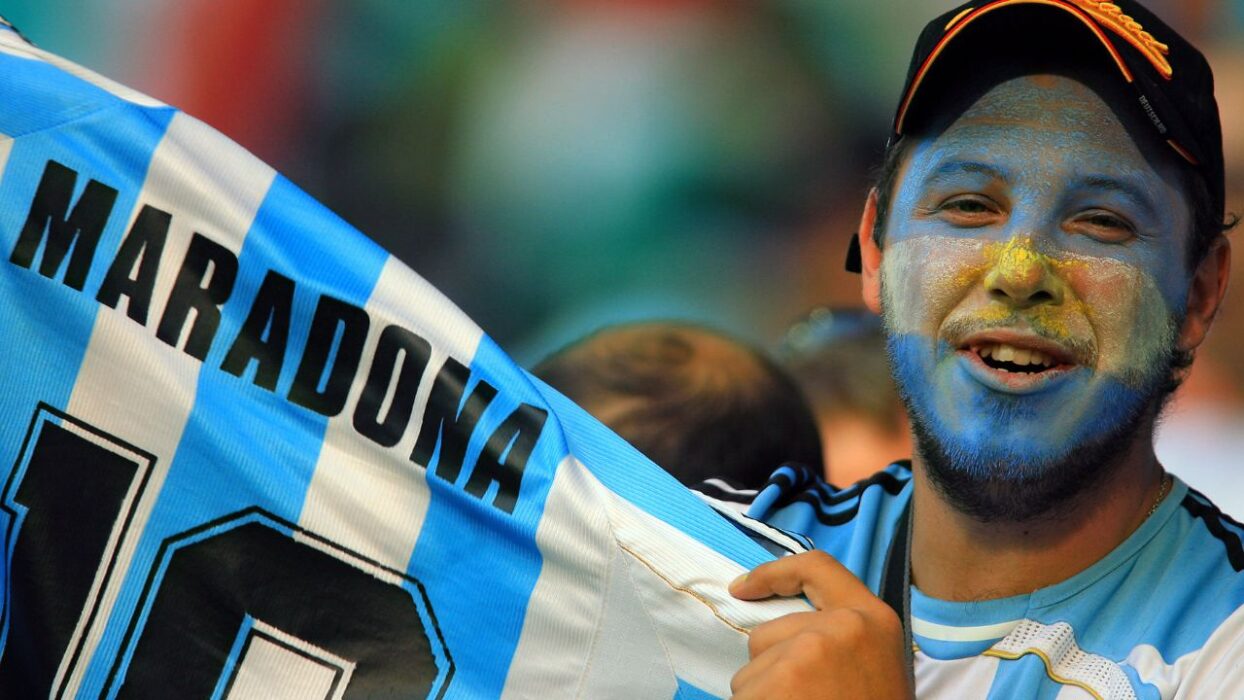
Why Soccer Jerseys Are More Than Just Fabric for Latinos
The 2026 World Cup is about to kick off, and you’re probably already thinking about which matches you’ll watch. But before you settle in, do you remember that old jersey buried in the back of your closet, the one your parents wore to work, or maybe the one you wore as a kid and thought you’d outgrow, that suddenly feels more important than ever?
Or maybe you’re thinking about getting one for the first time in years. Even better, you could get one for your whole family, so you can watch the tournament together, all of you wearing the same colors.
In fact, if you’re like us, this moment might feel different. Growing up, the jersey might have seemed like something your tíos were overly attached to. And now we get it.
How Soccer Jerseys Are Part of Our Childhood
Your memory might look different depending on your story, but the feeling is similar. Maybe you remember your father wearing a Mexico jersey to work the morning after a big match, showing it off to his coworkers like he was wearing a piece of his homeland. Maybe your tía had a specific team she would never waver on, and wearing that color was a sign of loyalty. Or maybe, just maybe, you have an old photo of yourself as a kid in a faded national team kit, your smile huge because you were finally old enough to have one like the adults.
As it turns out, these memories are part of the Latino collective unconscious. They have meant something specific to Latino families for generations, especially those who came to the United States in search of a better life while carrying their countries with them.
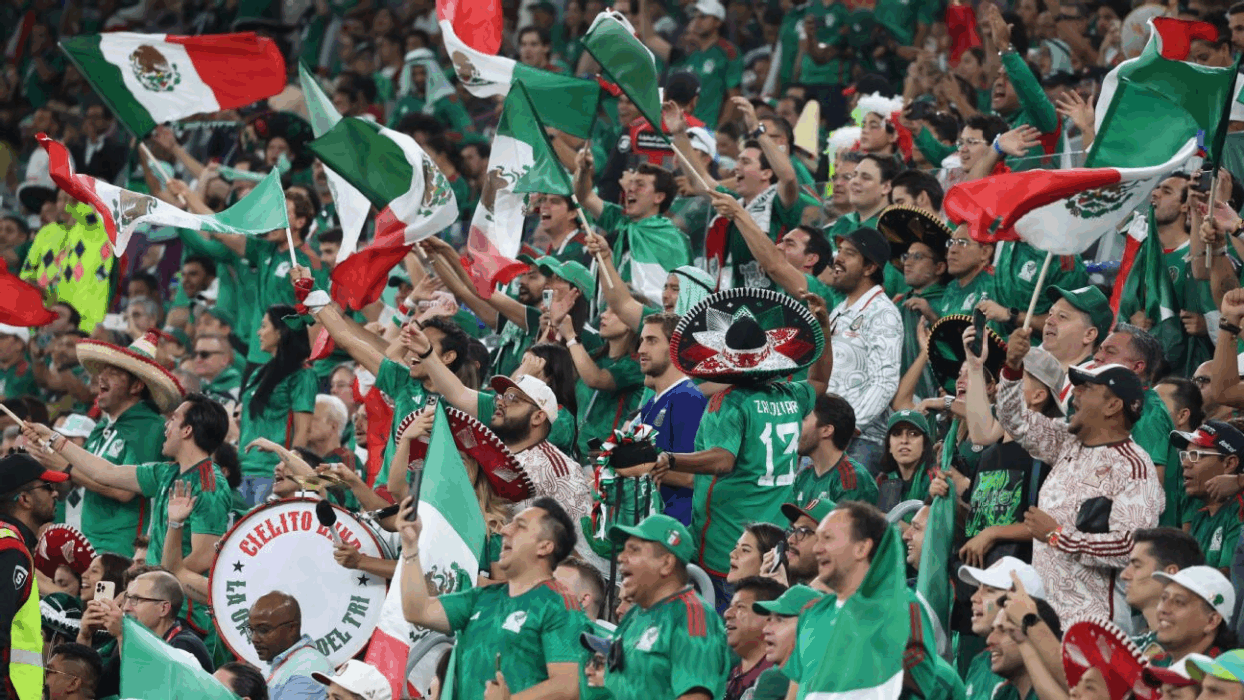
More Than Merely Fabric
To understand why a soccer jersey means so much to your family, you have to understand what it represents.
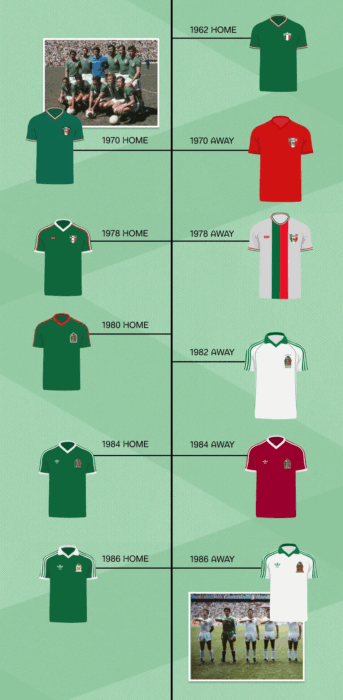
The jersey became a national symbol for many Latin American countries starting in the late 1950s. For example, according to World Soccer Shop, Mexico’s iconic green jersey—the verde that would become synonymous with Mexican pride—officially became the country’s home kit in 1958. Ever since then, there has been an underlying link between our ancestors’ identities and what we’ve brought with us wherever we go.
For Latinos in the United States, especially in the 1970s and 1980s, when your parents’ generation was building new lives here, the jersey became something even more significant. According to Felipe Vieyra, who wrote about the cultural role of soccer in Latino communities, the jersey served as a way for immigrants to maintain a connection to their homeland. In small towns across the country, Latino families would gather to watch matches, wearing their national team colors, speaking Spanish, and sharing food from home. For many, it was the most vivid way to feel close to a country they’d left behind.
What’s more heartwarming, sometimes, especially if your country never made it to the World Cup, is that you would wear the jersey of your favorite team as a sign of support. Suddenly, all Latinos were a big family.
The Deeper Meaning You’re Understanding Now
As an adult, you’re realizing something your parents probably tried to teach you all along: the jersey isn’t just about the sport.
Recent research found that 84% of Latino audiences follow soccer, compared to 47% of non-Latino audiences. Those numbers are not bland. They imply that almost every Latino family has a tradition that gravitates toward the sport.That same research showed that 76% of kids and teens who watched Copa América with an adult did so alongside their parents or grandparents. In the end, the love for soccer is as hereditary as the color of your eyes, and it’s deeply connected to the family tradition around it.
Now, as adults, when we are building homes of our own, this takes on a whole new significance.
And Yes, Jerseys Play a Huge Part
According to research on jersey culture in Latin America, the jersey has grown beyond just national team wear. It’s become a pillar of streetwear aesthetic—a core piece of everyday fashion, especially for younger Latinos who blend club colors with contemporary silhouettes, pairing jerseys with denim and sneakers. The jersey has become a way to express identity beyond stadiums.
Latinos have been using the jersey to make a statement for decades now. They’re wearing their heritage as fashion, as identity, as a declaration of who they are. And that trend is massive. The Latin American soccer jersey market is projected to grow significantly over the next several years, driven largely by young adults who see the jersey as a core part of their identity.
And, honestly? We are part of that demographic.
Finding the Jersey That Feels Right
The beauty of looking for a jersey in 2026 is that you have options. You’re not limited to whatever your local soccer store happens to have in stock. You can be specific about what you want.
Maybe you want a vintage jersey—something that represents a specific moment in time. The Mexico 1998 Retro jersey carries weight. It takes you back to the dreadful match against Germany, but it also reminds you of the Cuauhtemiña, and yes, we are still proud of it.
Or maybe you want the current national team jersey. The 2026 kit. And hey, we will not judge how much you want to spend.
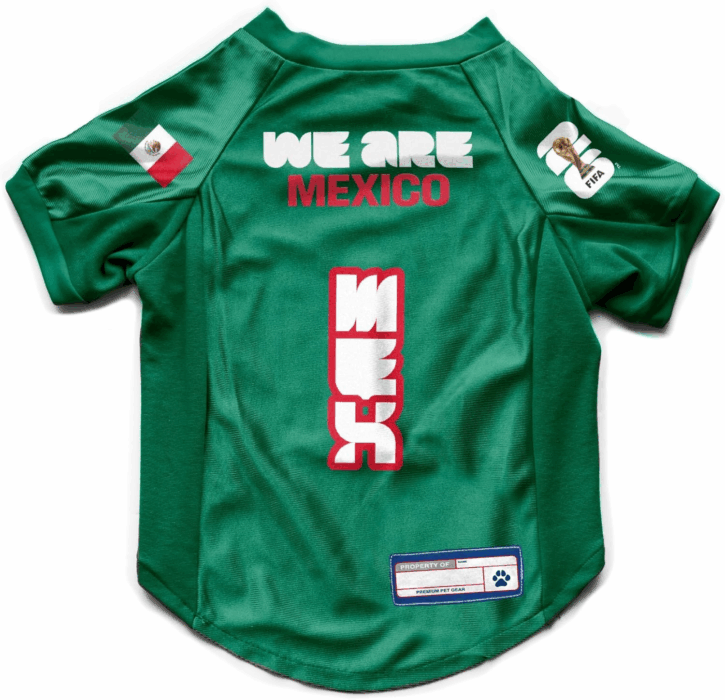
And this is not Brazil 1950. We all know women are just as passionate for the game as anyone else. We already have women’s national team jerseys in our basket. If you have kids, there are youth sizes in every possible color. Your whole family can match. Hey, even firuláis!
There are also custom options. You can get a jersey with a specific player’s name, or one personalized with your own name. You can make it yours in a way that goes beyond just buying what’s on the rack.
Remember going to las tienditas when we were growing up to pick our replica? Well, now it’s way easier to get them delivered, but the feeling is the same.