
Cheap Flights at the Library? We Investigated the Viral Trend
You’ve done it a hundred times. You search for a flight, and the price is reasonable. Not great, but decent. You close the tab to think about it. You come back five minutes later, and suddenly the fare has jumped $200. So you do what everyone tells you to do: clear your cookies, switch to incognito mode, try again. Oh, wait. You didn’t know? Yeah, the secret to the flight fares is most likely in your search history.
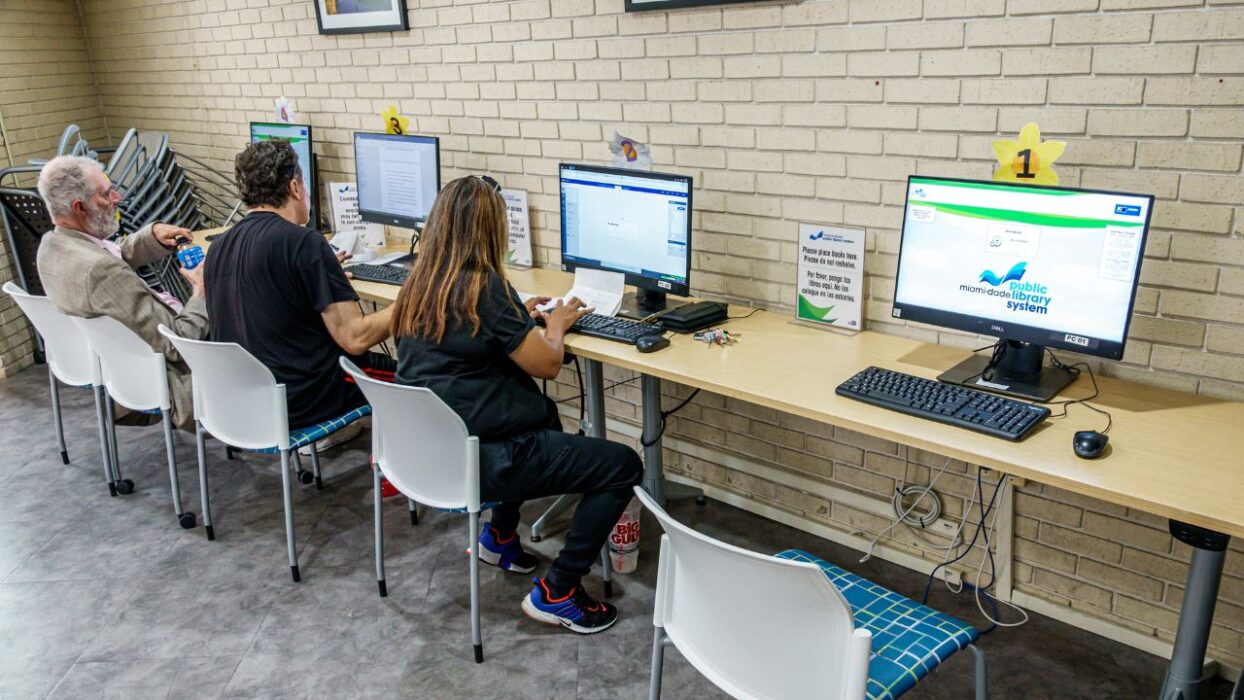
For those in the know, this frustration has spawned countless theories over the years. But in May 2026, a new one went absolutely viral: the library hack. According to TikTok and Instagram creators, the solution to airline price gouging is surprisingly simple. Head to your local public library, use their computer, and book your flight. Supposedly, you’ll save hundreds—sometimes thousands—of dollars because the airline algorithm doesn’t recognize you as a repeat searcher.
Crazy, right?
And yeah, the internet loved this. Creator Ellyce Fulmore reposted a video claiming she saved $500 booking on a library computer. The video has now over 400k likes. Another post on Threads suggesting the same hack accumulated over 13,000 likes. A tweet with identical advice hit 200,000 likes. For a moment, it seemed like everyone was either heading to the library or wondering why they hadn’t thought of it sooner.
But here’s the thing: it doesn’t actually work. And understanding why is more interesting than the hack itself.
The Conspiracy Theory That Launched a Thousand Library Visits
The library hack traces back to creator @talia_likeitis, a self-described homesteader who posted a video claiming that travel agencies and data brokers “aggregate your data from hundreds of sources” and then “sell it to airlines to help them figure out what you’re WILLING to pay.” Ergo: airlines use your cookies and search history to jack up prices just for you. So if you book on a computer with no history of your searches, you bypass the system.
The logic makes sense if you’re frustrated with airlines. It feels like a conspiracy theory that could be true. It plays into the very real distrust people have developed toward airlines after years of hidden fees, seat charges, and what feels like constant price manipulation.
And it spread fast. Creator Fulmore stitched Talia’s video with her own claim of a $500 savings. Others jumped on the trend. The comments sections are filled with people either sharing their own “successes” or hesitantly asking: “What if I just use a VPN at home instead?”
The beauty of the hack—from a viral perspective—was that it seemed to explain everything. Why do prices jump so fast? Why do they fluctuate constantly? Why do different people see different prices? The hack offered a simple answer: surveillance. Airlines are tracking you, and the library is your escape route.
The problem is that the answer is wrong.
What Experts Actually Found
According to Katy Nastro, a travel expert at Going (a flight price alert platform), the idea that airlines use your search history to raise prices is “a persistent myth.” She explained to Fast Company: “There is a common misconception that repeated search behavior will lead to not just a different, but a higher outcome. There is no credible data source that suggests repeated searching is tracked and therefore manipulated to higher pricing.”
This isn’t speculation. Nastro’s team at Going runs hundreds—sometimes thousands—of searches every week, year after year. Their founder, Scott Keyes, even duplicated the same search 100 times in a single hour to see if prices would go up. They didn’t.
Jesse Neugarten, founder of Dollar Flight Club, confirmed this: “While it’s a widely held belief that flight prices go up the more you search for a route, there’s no hard evidence that browsing history or repeated searches alone directly cause price increases.”
Sophia Lin, director of product management for travel and local at Google Search, was equally direct: “Incognito mode, browsing history, search history, or switching devices won’t impact the prices we show on Google Flights.”
The Washington Post investigated the library hack specifically and found no price difference between library computers and personal devices.
So if airlines aren’t using your search history against you, what’s actually happening?
Why Prices Jump
Flight prices don’t go up because of you. They go up because of math. Specifically, algorithms that constantly recalculate fares based on dozens of variables happening in real time.
According to Neugarten, airline pricing is based on factors like “seat inventory, booking trends, time to departure, competitor pricing, and external factors like weather or fuel costs.” When you see a price jump between your first search and your second search five minutes later, you’re watching airlines adjust to those variables.
Think of it like this, according to Nastro’s explanation: Airlines allocate a set number of seats to different price buckets. Once a lower-priced bucket sells out, passengers move to the next, more expensive bucket. So when you search twice and see a higher price the second time, you’re probably not seeing a price change directed at you. You’re seeing the airline shift to a higher-priced bucket because the lower one filled up.This happens constantly. According to Lin, “Ticket prices are constantly changing and being updated across different data providers, even from second to second. And every day, our systems are computing an enormous number of possible ticket combinations for trips around the world.”
The sheer scale of this complexity means price fluctuations can seem random. But they’re not. They’re just responding to factors completely divorced from your personal browsing history.
Why Does It Feel Like It Works?
Here’s where the library hack starts to make more sense—not as a real solution, but as a psychological phenomenon.
When you search for a flight and see a higher price on your second search, you assume it’s because the system recognized you. So you try the hack: you clear your cookies, use incognito mode, or—most dramatically—you go to the library. And sometimes, the price is lower.
But that’s not because the system forgot about you. That’s luck.
Nastro offered a perfect analogy: “Imagine a lucky t-shirt on game day. Is it really the shirt itself that led to the win, or was it more likely a good night’s sleep, solid training, and preparation?”
The library hack works the same way. You go to the library, you search, and sometimes you find a lower price. But you would have found that same cheaper price if you’d searched from home at that exact moment. The difference is that searching at the library makes you feel like you did something special, so when the price is lower, you credit the hack rather than recognizing that prices naturally fluctuate.
Nastro confirmed this: “Every time we see airfares get pricey, the ‘hacks’ come out.” Right now, she noted, airfare is 20% higher year over year. People are desperate for solutions, so they grasp at anything that seems to work—even when it’s just timing.
What Actually Works (And What Doesn’t)
The good news: there are real strategies that help you find cheaper flights. The bad news: none of them involves clearing your cookies or visiting your local library.
According to the experts, the most effective approach is to use flight price alerts. These tools monitor fares in real time and notify you when prices drop for routes you care about.
And yes, timing is key. Neugarten noted that factors like “time to departure, competitor pricing, and external factors like weather or fuel costs” genuinely affect prices. So booking at the right moment—when demand is lower, when fuel prices shift, when you’re booking further in advance—actually makes a difference.
But repeatedly searching and expecting prices to drop? Yeah, that’s just hope.
The Real Problem Everyone’s Actually Angry About
The library hack went viral because it hit the nail on the head: people’s frustration with airline pricing. The myth wouldn’t have spread if there hadn’t been genuine anger underneath it.
According to Fast Company, a 2024 Senate report found that from 2018 to 2023, five major and low-cost airlines brought in $12.4 billion in revenue from seat fees alone. Delta recently revealed it’s testing AI algorithms to help set ticket prices. And JetBlue is currently facing a lawsuit claiming the company collects personal data without consent to set prices—a lawsuit fueled partly by a deleted tweet in which JetBlue suggested a customer “try clearing your cache and cookies,” appearing to confirm the very thing the company denies doing.
So while the library hack is a myth, the underlying anger is justified. Airlines are using dynamic pricing. Airlines are using complex algorithms. Airlines are making record profits while nickel-and-diming passengers. The library hack just misidentifies what’s actually happening.
In JetBlue’s statement responding to the lawsuit, the company said: “JetBlue does not use personal information or web browsing history to set individual pricing.” But the damage to consumer trust is already done. Whether or not airlines are currently using personal data to set prices, the fact that people believe they might says everything about how airlines have lost public confidence.
The Hack That Wasn’t?
The library hack is a myth born from real frustration. It spread because it offered a simple explanation for something people experience constantly: prices that feel unfair and systems that feel rigged. In a way, people wanted it to be true. It would have meant there was a solution, a way to outsmart the system.
But the system doesn’t need outsmarting. It’s already transparent. Flight prices change because demand shifts, seats fill up, fuel costs spike, and competitors adjust their rates. Sometimes those changes happen fast, which feels suspicious. But they’re not directed at you personally.
The library computer isn’t magic. Clearing your cookies isn’t a strategy. And the public library was never designed to be your secret weapon against airlines.
What actually works is patience, price alerts, and booking at the right time.