From Africa to Latin America: These Iconic Dishes Wouldn’t Exist Without African Influence
Some of your favorite dishes from Latin America only exist because of the influence of African slaves. Enslaved people, out of desperation to survive, found ways to communicate, work collectively, and eat. Enslaved people shaped cultures across the globe. In Latin America, African culture and culinary knowledge continue to influence many beloved dishes. Food comes with a sense of national pride because it is unique to the people. African people influenced many of your favorite Latin American dishes.
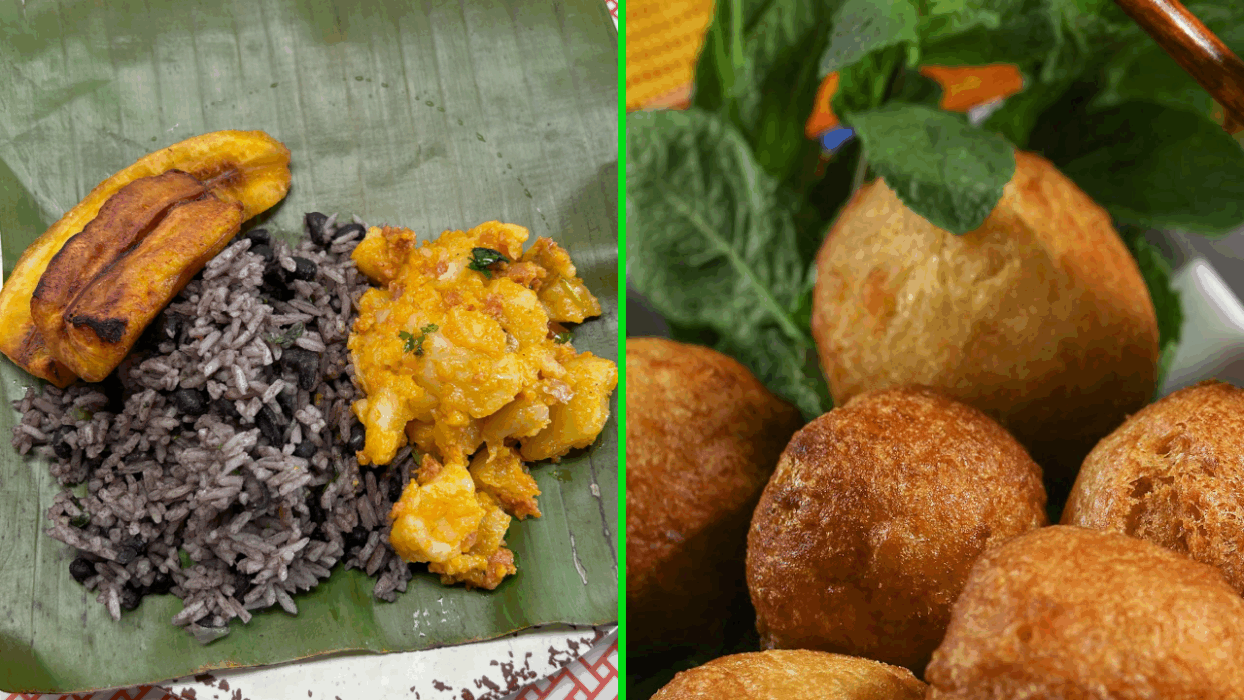
Enslaved people created tacu tacu on Peru’s haciendas
Enslaved people in Peruvian haciendas created a complete meal using leftovers as the base. The beloved dish starts with beans and rice, a plentiful food in Latin America that offers a strong base for tacu tacu. The name is believed to originate from the Quechua word takuy, which means to mix things together. It originated during the colonial period, specifically along the coastal region’s cotton and sugar haciendas.
The original recipe was mixing the leftover rice and beans with aji amarillo to create a complete meal. Over the centuries, the food has evolved, and there are versions now with different ingredients. Tacu tacu is just one example of the myriad national dishes around the world that were created by enslaved or poor people. Over time, these same foods become immense sources of pride and cultural identity.
Brazil’s famed acarajé holds a West African influence
Cooks in Brazil’s Bahia region created acarajé, a deep-fried piece of culinary heaven, during the same time period as tacu tacu. Between the 16th and 19th centuries, enslaved African people in Brazil were fighting for survival. The enslaved people brought with them black-eyed peas that they mashed up with onion and then deep fried. Most commonly, the acarajé comes filled with a shrimp paste.
In the Candomblé religion, acarajé is a sacrificial food holding power with two deities. People offer acarajé to Iansã, the orixá of storms, and Xangô, the orixá of justice. The name for the food comes from the Yoruba words akará, meaning fireball, and jé, meaning to eat. The same food is popular in Nigeria, Togo, and Benin.
Mofongo is a Puerto Rican staple with strong influence
Mofongo is ubiquitous with Puerto Rico’s culinary identity. People around the world recognize the dish as a piece of magic from La Isla del Encanto. Mashed green plantains mixed with garlic and chicharrón create an unbeatable flavor profile. It is simple, deep, and so unique to the culture.
While the food is puro caribe, the method to make it has deep roots in African culture. The African influence on the dish is how it is prepared. The mashing of the plantains with garlic and chicharrón uses the same technique people use to make fufu. Fufu originated in Ghana and made its way over to Puerto Rico in the 1500s with the arrival of enslaved people.
People know gallo pinto as a Central American dish, but African techniques shape its preparation
The practice of cooking rice with beans is something that was not always known in Latin America. Yes. Rice and beans are almost exclusively associated with Latin America. Every country has its own combination of two unassuming foods that combine to produce a whole meal on its own.
However, the way you cook gallo pinto comes from West Africa. Gallo pinto is very similar to cristianos y moros in Cuba. Both gallo pinto and cristianos y moros require cooking prepared beans and preparing rice together in a pan. This is similar to waayke, a dish from Ghana that is beans and rice cooked together. Waakye originated among the Mole-Dagbon people. It was later popularised by Hausa settlers before making its way to Latin America.