Op-Ed: It’s the First-Ever Farmworkers Day, And It Hits Different This Year
Today is officially the first Farmworkers Day in California history. To commemorate it, let’s take a moment to consider the importance and the vulnerable reality of the humble farmworker.
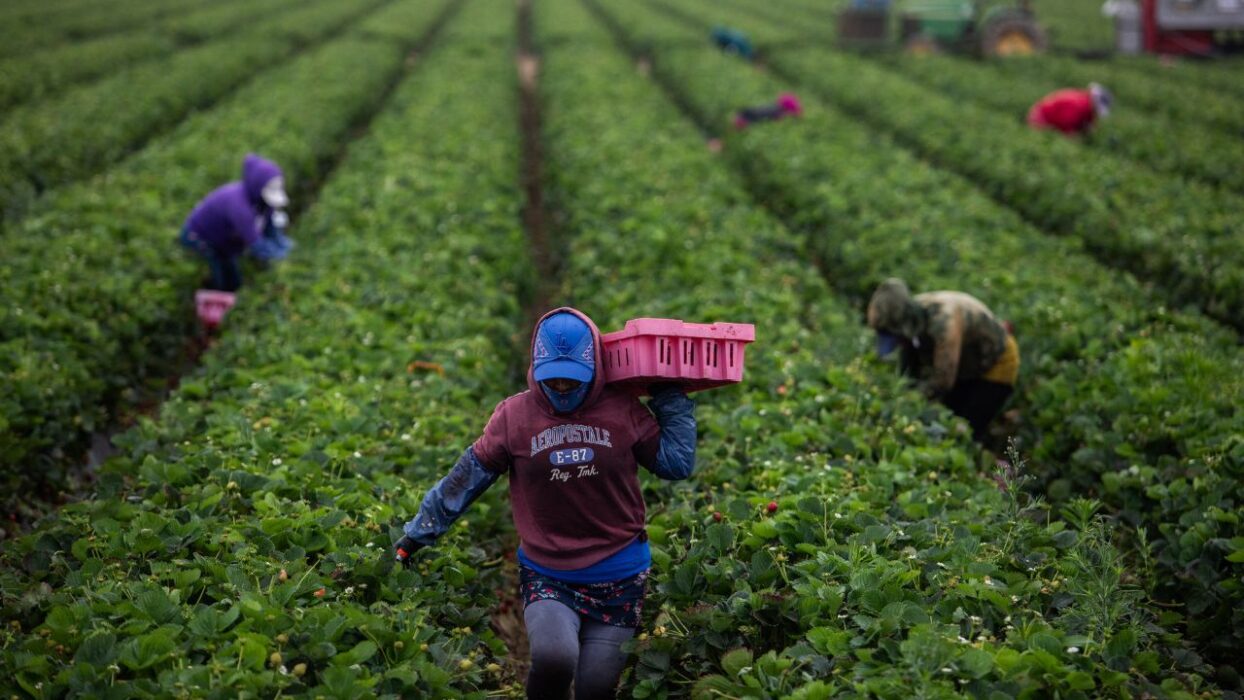
When thinking of a farmworker, you might imagine a laborer in work boots and a thick jacket. Maybe stooped over a row of vegetables in the cold morning sun. If politically inclined, you could picture the historic United Farm Workers march of 1966. You probably think of the hundreds of brave strikers bound for Sacramento to fight for their rights. As for myself, I think of my mother, a quiet yet spirited young woman who would pick through a row of grapevines while her father worked the row next to hers.
As a teenager, she never settled into a school or hometown as her family chased the seasonal crops across California’s central valley. Her story, and that of the millions of other workers, is woven into the fabric of the country’s history. The lives of farmworkers loom large; they contain multitudes.
Farmworkers sustain American life, even as the American mind erases them.
Grocery shoppers stroll through aisles tossing impossibly ripe berries into the cart. They do so without a thought to the sweat, love, and care poured into that little plastic container. Even farmers market regulars might not realize the effort behind the fresh tomatoes they’re tucking into tote bags. The hours prepping produce for transport. The early-morning drive and setup, and the late unloading back at the farm. The tireless work of hundreds of thousands of California farmworkers ends up on millions of family dinner tables every single night.
There are few lines of work as necessary to society as that of a farmworker. Feeding American families is a noble profession. And the output by farm laborers is difficult to comprehend but impressive to consider: nearly half of the country’s vegetables and over three-quarters of the country’s fruits and nuts grow in California alone.
As the world’s cornucopia, California is home to a significant share of the agricultural industry and workforce.
That workforce is overwhelmingly Latino and made up of both documented and undocumented workers. This means that Latino immigrants are directly responsible for much of the food on the typical American plate, whether that plate is served in a downtown apartment, suburban home, or the White House.
While we should appreciate the source of our food, the impact of California’s farmworkers stretches beyond the fields towards the political struggle for human dignity. The farmworker movement of the 1960s sought to uplift workers after years of humiliation and suffering. Courageous Latino and Filipino workers took destiny into their own hands and led strikes that forced rancher bosses to come to terms with their employees. The effort culminated with the historic 300-mile pilgrimage from Delano to Sacramento and the winning of the first union contract for farmworkers anywhere in the country.
It was a landmark moment in the civil rights era and gave hope to all working people that justice and progress were possible.
But farmworkers of today are forced to reckon with the dark chapters of their proud legacy even as they navigate new political dangers.
Today’s holiday is a transition from one we’ve celebrated for almost three decades. For 26 years, March 31 has been celebrated as Cesar Chavez Day in California and other states. Chávez was the face of the movement and a symbol for Latino political power. But his legacy came crashing down due to allegations of the sexual abuse of young women and his colleague, Dolores Huerta. It was a devastating blow to a Latino community with few leaders to look up to.
We should credit farmworkers and Latino organizations for holding themselves accountable so quickly. They recognized that the movement was never about one man. It was built by tens of thousands of workers who stood together when times were hard. Their story deserves to be told in full and with integrity.
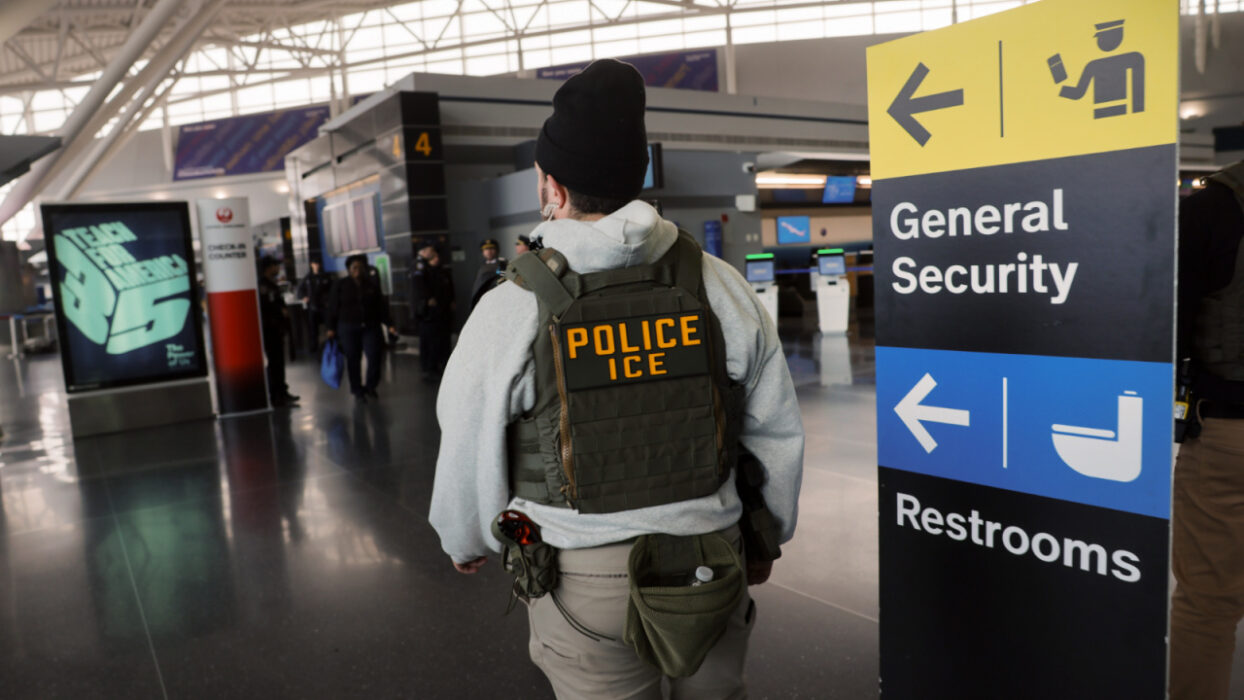
It’s more than can be said for the Trump administration, which continues to stall human trafficking investigations and instead focuses its attention on terrorizing immigrants.
President Trump unleashed immigration enforcement officers on American cities and armed them with deportation quotas and little legal accountability.
The results are tragic – parents separated from their children, immigrants hiding for months at home, and even American citizens being arrested and shot. The effect on the farming industry is felt by citizens and noncitizens alike. With fewer immigrant workers willing to risk their lives on the job, the price of food threatens to rise dramatically. Even farm owners are pleading for the administration to change course, as crops risk rotting in the field. The disappearance of farmworkers has an immediate effect on American life, whether the public knows it or not.
The declaration of this new holiday is auspiciously timed. It was created in response to tragedy and amidst tragedy – forced into being by the dark past of a flawed man during a moment of tremendous vulnerability for farmworkers. The people it honors are integral to everyday life, they changed history, and they are confronting new political forces in real time. Their story may change, their lives and very existence may be threatened, but the farmworker means much to us, does much for us, and says much about us.
Let’s take this first Farmworkers Day as a sacred opportunity to celebrate their legacy, learn their story, and reflect on how their past and present impact our lives.