From Juárez to Michoacán: The Latino Films We’re Tracking at Sundance
Sundance has a particular talent for finding the stories that feel like a whisper at first, then a gut punch. The kind you carry around for days because they name something you have felt, feared, or tried to look away from.
This year’s lineup runs January 22 to February 1 in Park City and Salt Lake City, with an online window January 29 to February 1.
If you’re hunting for Latino narratives that refuse to shrink, start here.
Sundance is opening with stories that don’t ask for permission
The Sundance Institute announced a slate of 90 feature films and seven episodic projects for 2026, selected from thousands of submissions, with most of the lineup premiering as world premieres.
That scale matters less than the signal: Sundance still treats cultural specificity like the point, not the footnote. And in this batch, several Latino stories land with a kind of charged clarity, whether they live in documentary vérité, dream logic, or the brutal realism of a border city.
The Huntress turns Sundance into a pressure cooker
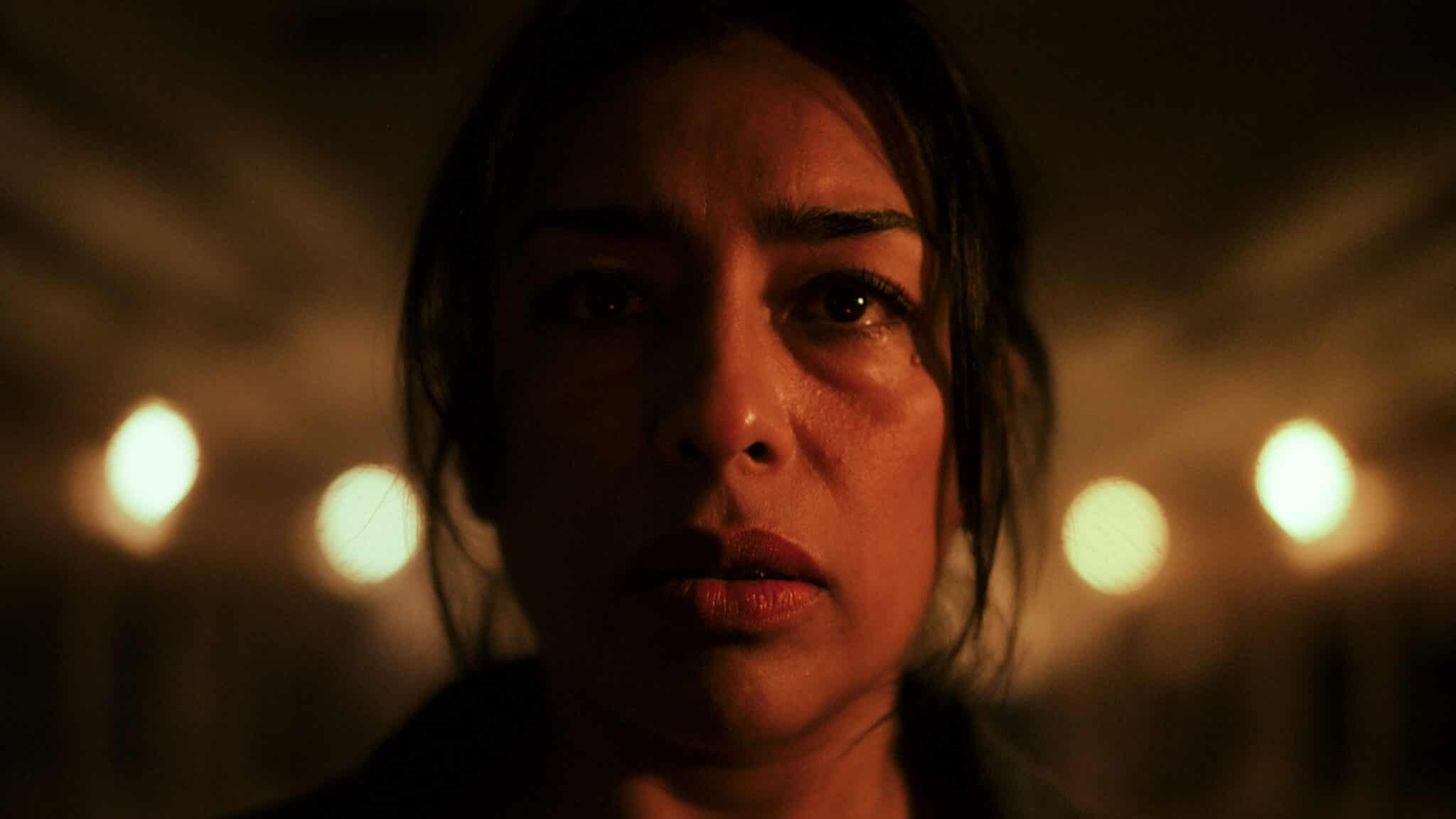
In The Huntress (La Cazadora), Sundance drops us into “the border city of Juárez, Mexico, where violence against women is perpetrated with impunity,” as the festival description puts it.
The film follows Luz, played by Adriana Paz, in a story inspired by true events.
What makes this one loom large from the jump is the emotional architecture: fear as a daily condition, protection as a reflex, and rage as the last language left when systems keep failing. Sundance positions it as a portrait of a woman pushed to extremes, and the cast list signals serious intent, with Teresa Sánchez also featured.
Jaripeo finds the tenderness under the noise at Sundance
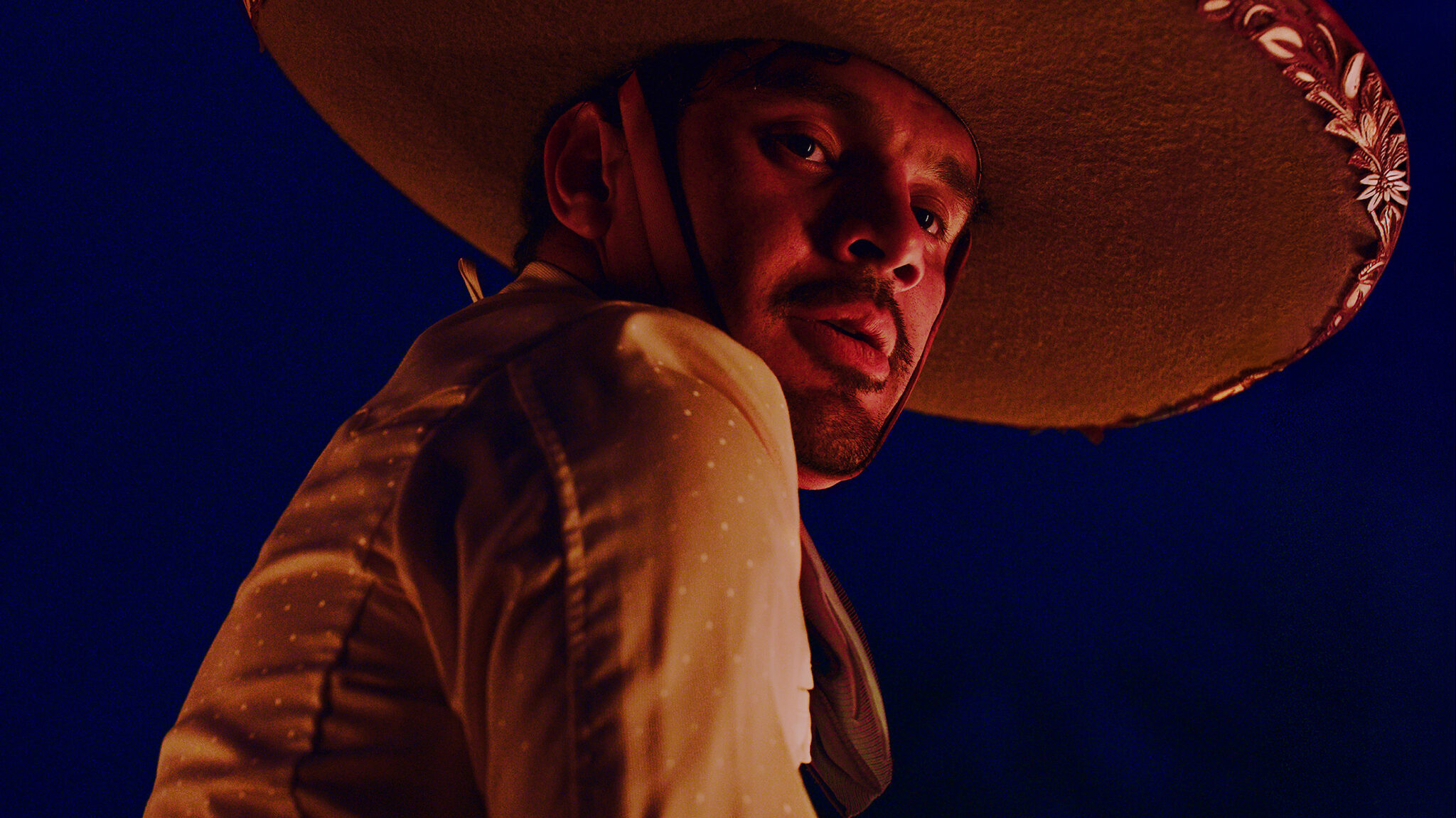
Jaripeo arrives with a title that feels like a door swinging open into a world many viewers have never seen up close. Sundance describes it as “a journey to Michoacán’s hypermasculine rodeos” that “descends into the subconscious of memory, queer desire, and longing.”
Then comes the line that tells you exactly what kind of film this wants to be. “I brought you here to Penjamillo so you could see a little bit of what it’s like to be a young queer ranchero,” Efraín Mojica says in the festival description.
Sundance frames Mojica’s feature debut, co-directed with Rebecca Zweig, as a work that moves through vérité and textured memory, lingering on glances, bodies, and the unspoken codes of machismo.
In other words, it heads straight for the contradiction: the performance of masculinity, and what people risk to survive inside it.
Marga en el DF feels like a time capsule with a pulse
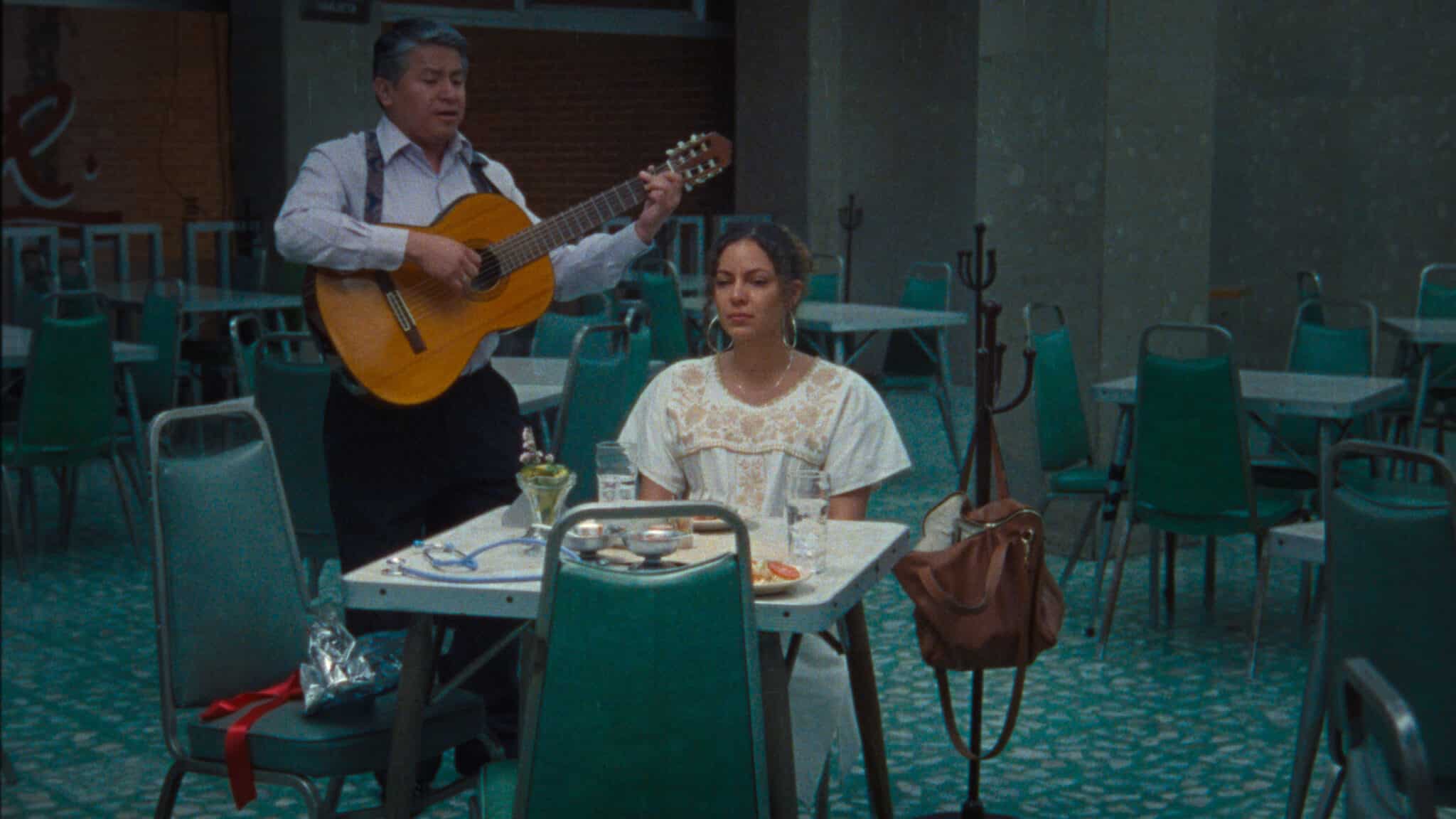
If your Sundance schedule needs something compact that still hits hard, add Marga en el DF. The short takes place “in the wake of Selena Quintanilla’s murder,” according to the festival description, and follows Marga as her life shifts while she’s 21 weeks pregnant during a surprise visit to Mexico City.
Even in a brief runtime, the premise holds a lot: grief filtered through pop culture, a body carrying the future, and a city that can change you just by letting you walk through it. Sundance has a long history of shorts that later grow into bigger conversations, and this one has that kind of afterglow.
TheyDream turns grief into animation, and Sundance lets it breathe
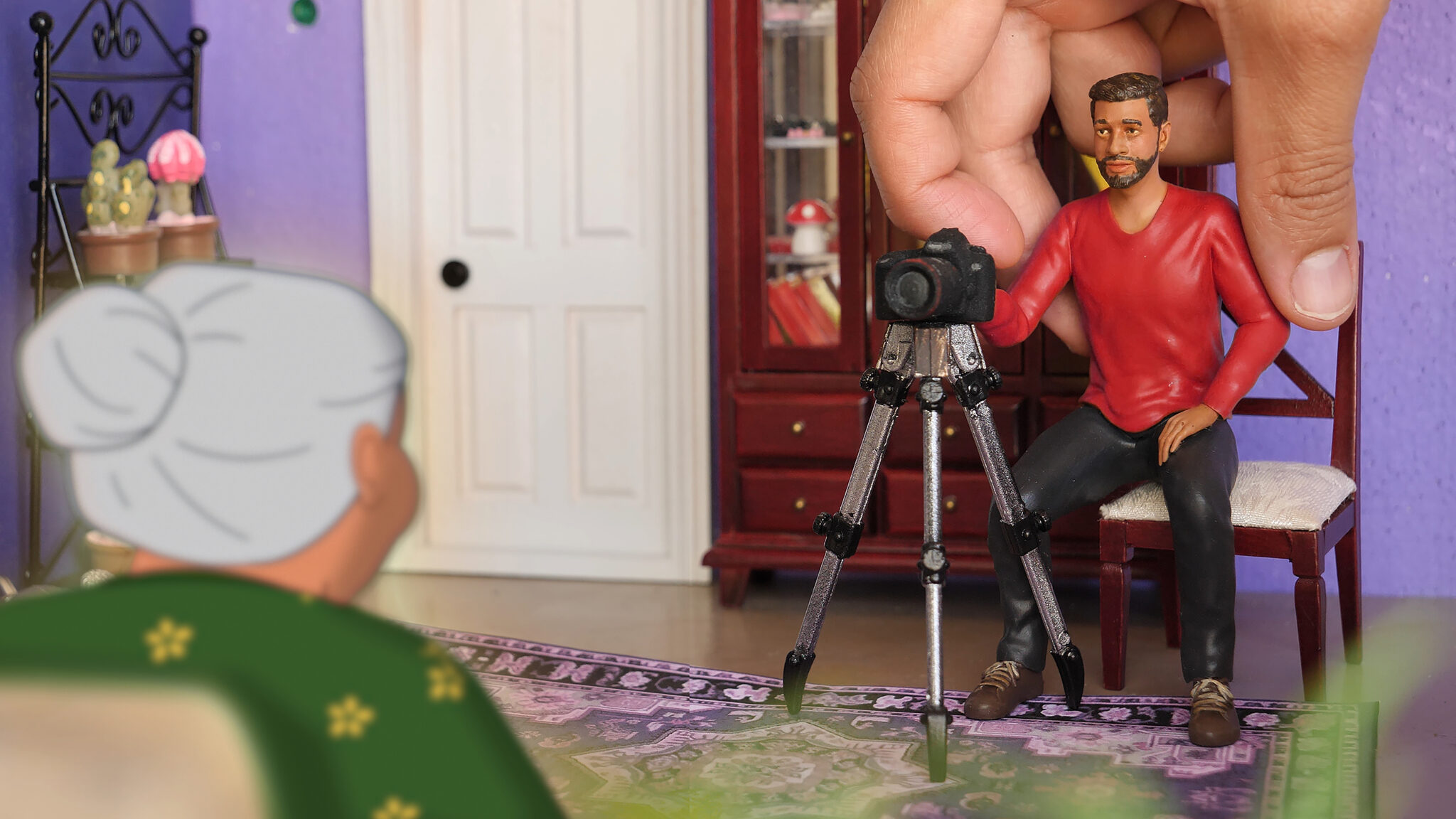
In TheyDream, Sundance spotlights a film built from the raw material of a family archive. The festival description calls it a story where, “after 20 years of chronicling his Puerto Rican family,” director William David Caballero and his mother face devastating losses, then use animation to bring departed loved ones back into view.
Sundance presents it as something deeper than a home movie collage: a collaboration between mother and son, and an act of making that doubles as an act of mourning.
The result sounds like one of those films that can make a room go quiet, then, weirdly, lighten up when the credits roll.
American Pachuco puts Luis Valdez where he belongs
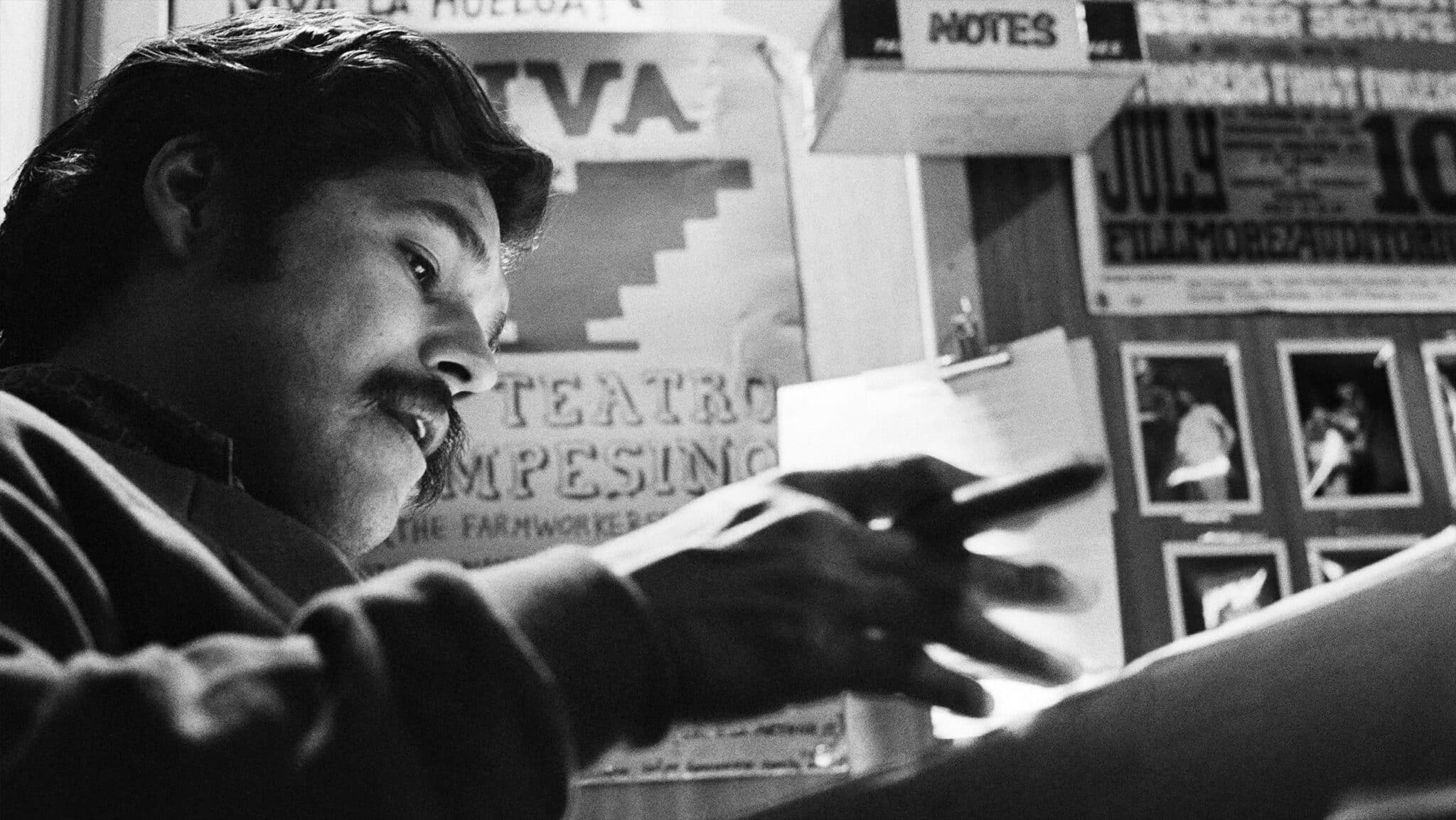
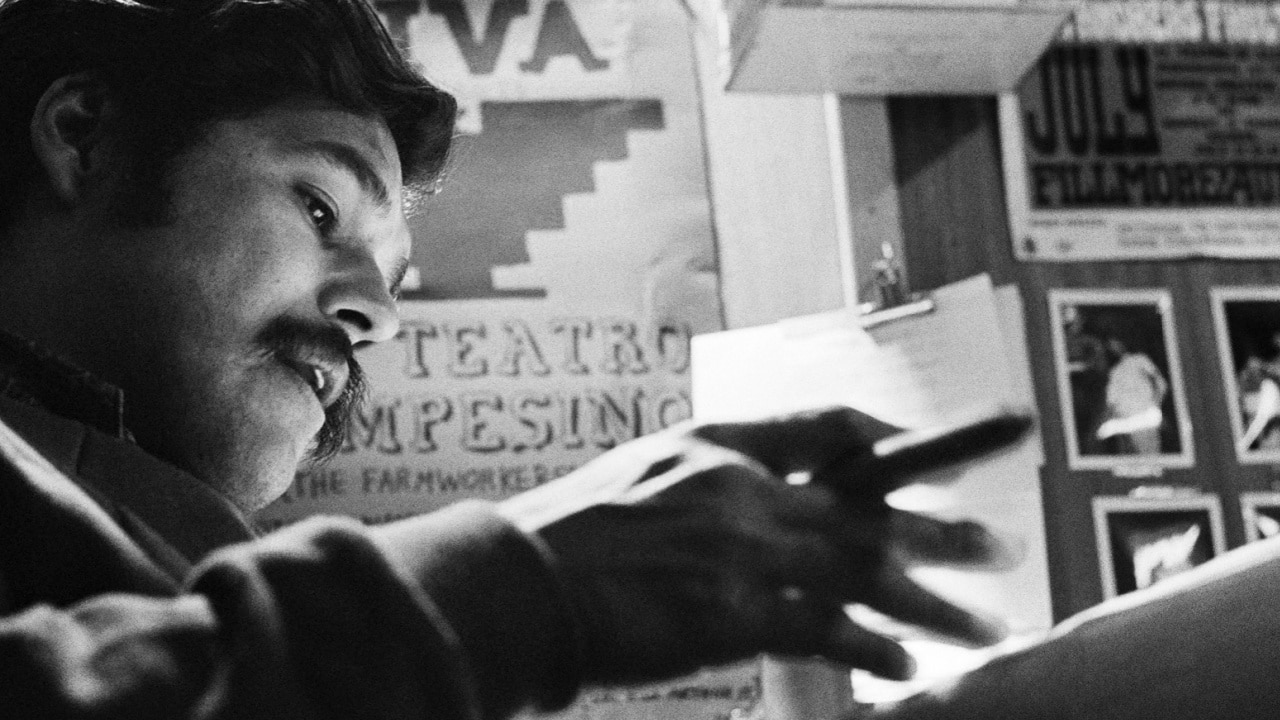
Sundance’s U.S. Documentary Competition includes American Pachuco: The Legend of Luis Valdez, which traces how Valdez pushed Chicano storytelling “from the fields to the film screen with Zoot Suit and La Bamba,” according to the festival description.
Sundance also flags the documentary’s argument about legacy and presence. Valdez’s message, the festival notes, is “America is Chicano.”
That line lands differently depending on who you are and what you’ve lived through in this country. But it lands. And Sundance seems to understand exactly why it still needs to.
How to watch these Sundance picks, depending on your life and your bandwidth
According to the Sundance Institute’s festival announcement, the 2026 Sundance Film Festival runs January 22 to February 1 in Utah, with an online at-home program available January 29 to February 1 for audiences across the U.S.
So whether you want border city urgency, queer longing in a rodeo ring, a short steeped in Selena-shaped grief, an animated family elegy, or a documentary about a Chicano icon who changed American culture, Sundance has options for everyone.