
Maluma Brought Authentic Salsa to the AMAs, and We’re Still Not Over It
If you’re someone who grew up learning to dance to the songs of Richie Ray and Bobby Cruz before your quinceañera, Maluma’s performance at the AMAs last Sunday brought an indescribable sense of nostalgia.
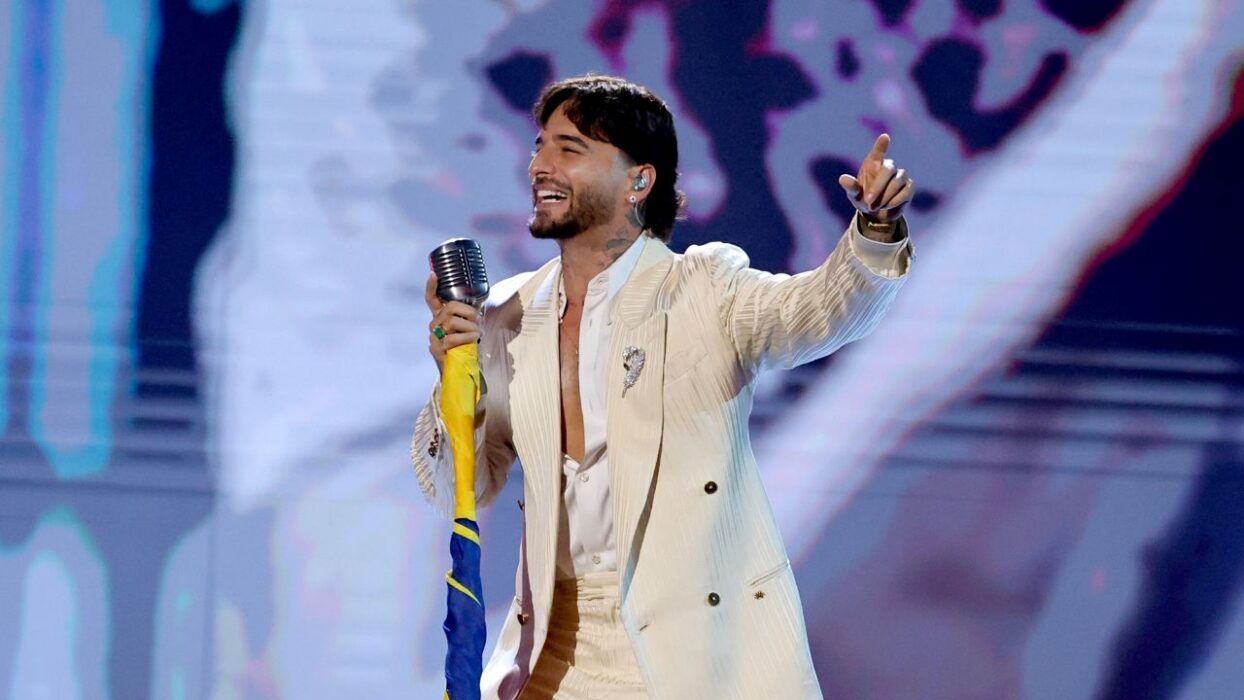
For the first time in six years, the Colombian artist took the stage at the awards show, this time with his new single “Tu Recuerdo.” Accompanied by a full salsa band, including backup singers, and a microphone stand wrapped in the Colombian flag, Maluma literally got the entire MGM Grand Garden Arena in Las Vegas dancing.
Dancing like a true Colombian, the singer stepped off the stage toward the end of the song and strolled through the audience, who tried to keep up with him. It was genuinely a pleasure to see someone dance and bring back one of the most important genres in Latin American music history.
Among Many Other Things, Colombia Is Salsa
From the 1970s through the mid-1990s, the salsa tradition was fundamental in Colombia. Today, it still is, though mixed with other more popular genres.
In the early 1960s, Bogotá, like so many other Latin American capitals, saw a surge of intense immigration from rural areas. The new families settled on the outskirts of the city, creating new neighborhoods.
The same thing happened in Cali, except that there was also a major cultural and musical influx from the Caribbean that had begun decades earlier. In fact, starting in the 1960s, Cali was considered the capital of salsa.
Music records from New York began arriving from Venezuela and spreading via the radio. Thus, salsa became the music of celebration in homes across the country, with parties sometimes lasting for days.
Younger generations went to nightclubs to dance and even compete to see who danced best. Mambo, pachanga, son, and what was called descargas (salsa) became the most popular genres.
And if you noticed Maluma’s outfit, both at the AMAs and in the official music video for the single, fashion was also fundamental to the salsa revolution—especially the shoes.
Maluma Understands the Unifying Power of Salsa
With the explosion of Fania in the 1970s, what once divided the public into social strata ended up unifying it. Artists like Richie Ray and Bobby Cruz became icons for all classes. Even the upper classes, who were initially resistant to “popular music,” couldn’t help but move to the beat.
Today, something similar is happening. From Bad Bunny in Puerto Rico to Maluma, Latin artists are returning to the roots of it all—to authentic music and the traditions that made our culture a masterclass in composition and creativity.
Watching the AMA audience unable to help but dance is just the latest proof of this.