From A Bitter Drink to A Valentine’s Day Staple: The History of Cacao and Chocolate Spans Millennia and Continents
Chocolate is usually the go-to present for Valentine’s Day. The sweet and smooth treat is ubiquitous with decadence and intimacy. Marketers made chocolate a Valentine’s Day staple through strategic marketing campaigns. It is one of the most incredible gifts from Latin America to the world. It wasn’t always just food. For more than 5,000 years, people have harvested and used the precious cacao bean. Here’s a look at that journey for the cacao bean.
People have been harvesting cacao for millenia
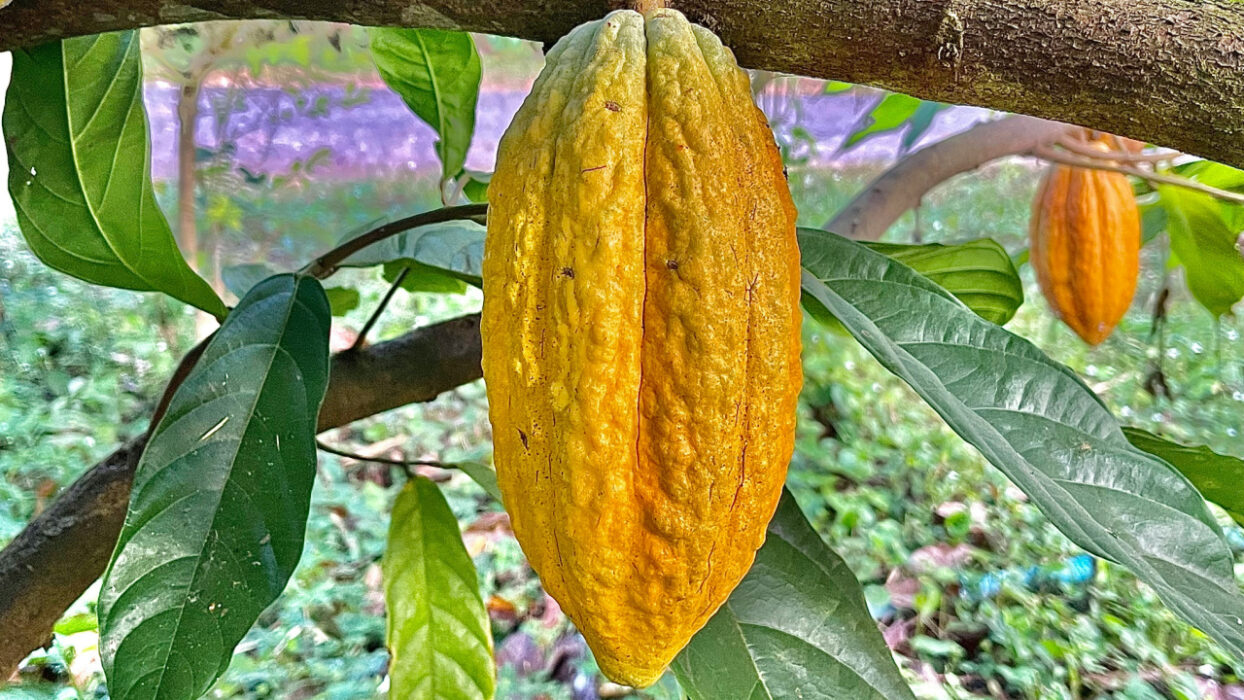
Cacao was first domesticated more than 5,000 years ago. The first known people to use cacao were part of the Mayo Chinchipe-Marañón civilization, the oldest in the western Amazon region. The civilization was located in southern Ecuador and northern Peru. Ancient civilizations originally used the cacao plant to make a fermented, bitter drink for daily consumption. They served the beverage at social gatherings, used it for medicinal purposes, and included it in symbolic rituals. Archaeological finds show that people used cacao as early as 3300 BC.
It wasn’t until 1900 BC that cacao became part of Mesoamerican culinary culture. The Olmecs in Mexico started to cultivate the domesticated plant and used it for religious rituals. Similar to the original cacao harvesters, the Olmecs used the plant to make bitter drinks. The Aztecs called the drink xocolatl, a Nahuatl word that combines xoco (bitter) and atl (water). People valued cacao so highly that they considered it a food of the gods.
It was also considered to be very valuable and became a form of currency around 400 BC to 250 BC. The practice lasted through the Spanish invasion in the 1500s. The Mayan civilization was the first to formalize the rate for the cacao bean. The Aztec Empire continued the practice and used it in trading. Examples include one bean for one tomato, 10-30 beans for a small rabbit, 100 beans for a slave, and up to 350 beans for a cloth cloak.
The Spanish introduced the sacred drink to Europe
The Spanish invaders encountered the drink used by the natives and brought the plant back to Europe to share. Europeans added sugar to suit their tastes. They consumed the drink for centuries as one of the spoils of their conquests. From Spain, the drink spread through Europe, and other countries started to create their own variations.
In 1828, a Dutch scientist invented the hydraulic cacao press that separated the cacao butter. This was pivotal in revolutionizing how the plant was processed for consumption. By 1847, Joseph Fry in England used the new processing to create the first edible chocolate bar.
The new treat gained significant popularity throughout Europe, with chocolatiers popping up to make their own chocolate bars. The rise of chocolate as an accessible edible treat is a testament to the influence of the Americas on the rest of the world.
Europe is where chocolate became a Valentine’s Day staple
Richard Cadbury, of that Cadbury family, is credited with making chocolate the go-to Valentine’s Day gift. The chocolatier created the heart-shaped box with assorted chocolates and marketed them as a gift for the special someone. The design of the box and the gift giving was a nod to the Victorian-era sensibilities and traditions. The heart-shaped box became synonymous with Valentine’s Day and started to show up everywhere.
Like so many beloved foods around the world, the history is often lost along the way. People never think twice about the heart-shaped boxes of chocolate we now see in every grocery store leading up to Valentine’s Day. The common gift we give to show love has deep roots in ancient civilizations, classism, invasions, extraction, and technological advancements. It took millennia for the cacao bean to grow from a bitter beverage in the Americas to currency to chocolate bars to an assorted collection of treats meant to signify love.
So, this year, when you enjoy a box of chocolates, remember that what you are eating holds thousands of years of human history.