
How Trump’s Teleprompter Guy Turned the President’s Speeches Into $100K on Kalshi
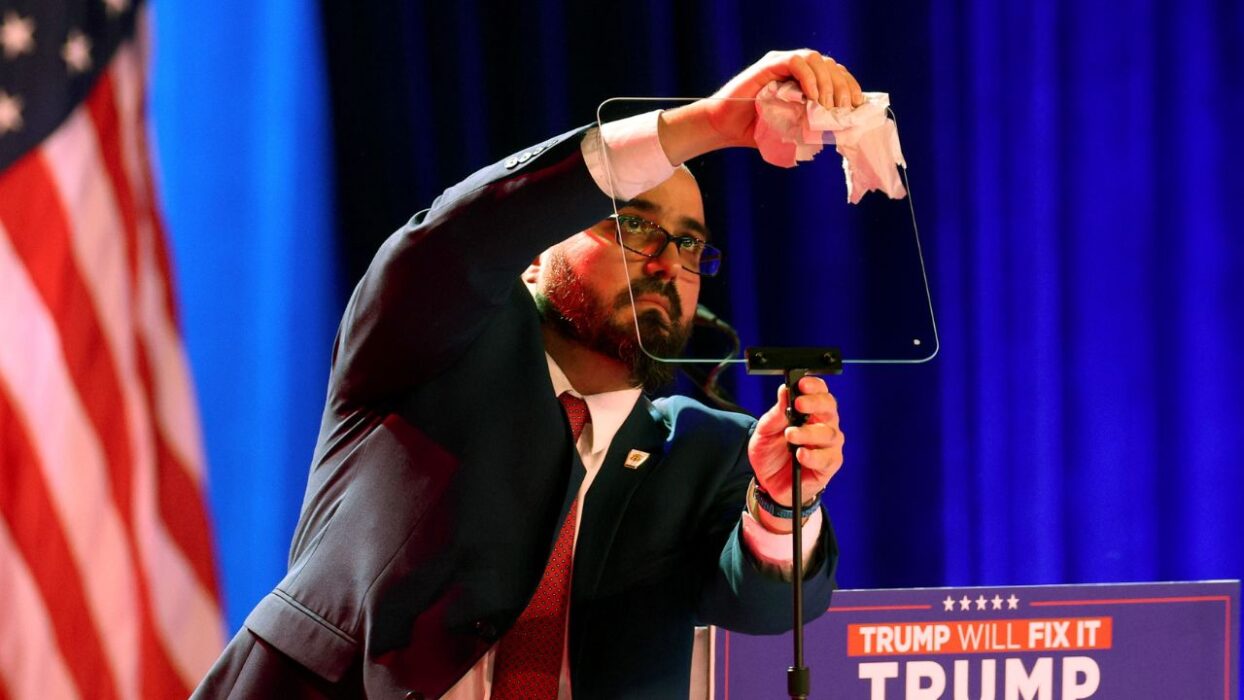
Gabriel Perez had one of the most unusual jobs in American politics: he controlled what Donald Trump read from the teleprompter. He scrolled the words the President was about to say, and sometimes took last-minute edits from Trump himself before a speech began. He had been doing it since the first presidential campaign. And according to federal investigators and the prediction market Kalshi, he spent at least three months using that access to bet on Trump’s speeches and win more than $100,000, per ABC News.
After the news broke, the White House called it a disgrace, and Trump personally decided to remove him. Federal regulators are now in settlement talks with Perez over what they say amounts to insider trading, just not the kind Wall Street is used to.
The Man Who Read Trump’s Words Before Anyone Else
Perez worked as a technical assistant to the president and operated Trump’s teleprompter from the first presidential campaign through 2026. Of all Trump’s closest aides, sources told ABC News, Perez typically had the final say on nearly all of the president’s prepared remarks. And was often the person who took last-minute edits directly from Trump before a speech began.
That access put Perez in a position that no market analyst, no political strategist, and no journalist shared: he knew exactly what Trump planned to say before almost anyone else.
He also apparently knew that information was worth money.
How Gabriel Perez Turned a Teleprompter Into a Prediction Market Play
Perez placed bets on Kalshi’s “Mentions” market. That is a section of the platform where users can wager on whether a speaker will use specific words, phrases, or topics during a public address. The bets were straightforward: Will the president say “Iran” more than three times? Will he mention the “Save America Act”? Will he use the word “fraud”? For most bettors, those are educated guesses. For Perez, they were certainties, or close enough.
CFTC investigators discovered that Perez placed bets on more than a dozen Trump speeches over a three-month period, per ABC News. The list included February’s State of the Union address, and a December primetime address. It also included a January speech at the World Economic Forum in Davos, and Trump’s remarks at a Medal of Honor ceremony in March.
There was one wrinkle, though. Trump is famous for going off-script. “You know, when you go up here, you take a big chance,” Trump told the Detroit Economic Club in January, a speech sources say Perez also bet on. “Especially me, because I go off teleprompter about 80% of the time.” Investigators found instances in which Perez backed out of certain bets mid-speech when Trump skipped over portions of a prepared remark that included words Perez had wagered would be mentioned.
He was, arguably, one of the few paying close attention.
How Kalshi Caught the Bet
Kalshi’s surveillance systems flagged Perez’s trading activity in March, per the New York Times. Using account data, the company identified the user as a federal employee operating White House teleprompters. Kalshi froze more than $90,000 in his account before any profits could be withdrawn. And referred the case to the Commodity Futures Trading Commission, the federal agency that regulates prediction markets.
The platform had recently begun requiring users to disclose their place of employment. Its policies explicitly prohibit placing bets based on information obtained through their employment. “The words of political leaders like Presidents and Fed chairs cause billions of dollars of movement in FX markets, oil futures, and the stock market,” Kalshi told the BBC, explaining why it treats speech-content bets as a serious enforcement matter.
Robert DeNault, Kalshi’s head of enforcement, confirmed the referral. “We have been assisting regulators on this matter and provided all evidence that we collected, as we do with any referral,” DeNault said, per the New York Times.
Where Trump’s Teleprompter Guy Stands Now
The CFTC alerted federal prosecutors in Manhattan, who declined to open a criminal investigation. Regulators at the CFTC have expressed a willingness to settle with Perez. What’s more, they have discussed terms requiring him to return his profits and refrain from making similar trades in the future, per sources familiar with the ongoing discussions who spoke to ABC News. Perez sat for an interview with regulators and acknowledged some of the trades, according to the sources.
For her part, White House press secretary Karoline Leavitt confirmed Thursday that Perez was on unpaid leave. She said she had spoken with Trump directly about the situation. In her words, Trump called it a “disgrace” and personally made the decision to remove him. “This individual will no longer be here,” Leavitt said.
Leavitt added that the White House has “very strict ethical requirements” for all staffers and said she was unaware of any other White House employees suspected of making similar trades.
However, this is not the first time Perez has attracted federal scrutiny. Congressional and federal investigators previously examined edits made to Trump’s prepared remarks before the delivery of his speech surrounding the January 6, 2021, attack on the U.S. Capitol, per ABC News.
Perez Is Not the Only One
The case is the latest in a string of incidents involving insiders using privileged access to profit on prediction markets, which have grown rapidly and attracted billions of dollars in trades, per the New York Times.
In April, three political candidates tried to bet on their own races, and Kalshi suspended them. In June, federal authorities said they were investigating whether former Representative George Santos had placed a bet about attending Trump’s State of the Union address.
The Department of Justice has now brought its first two criminal insider trading cases involving prediction markets. Federal prosecutors charged an Army Special Forces soldier with using classified information to bet on the capture of Venezuelan President Nicolás Maduro on Polymarket. Federal prosecutors separately charged a Google employee with using internal company data to place winning bets on user searches. Both have pleaded not guilty.