
Colombia Earthquake: What We Know About the Strongest Quake in a Decade
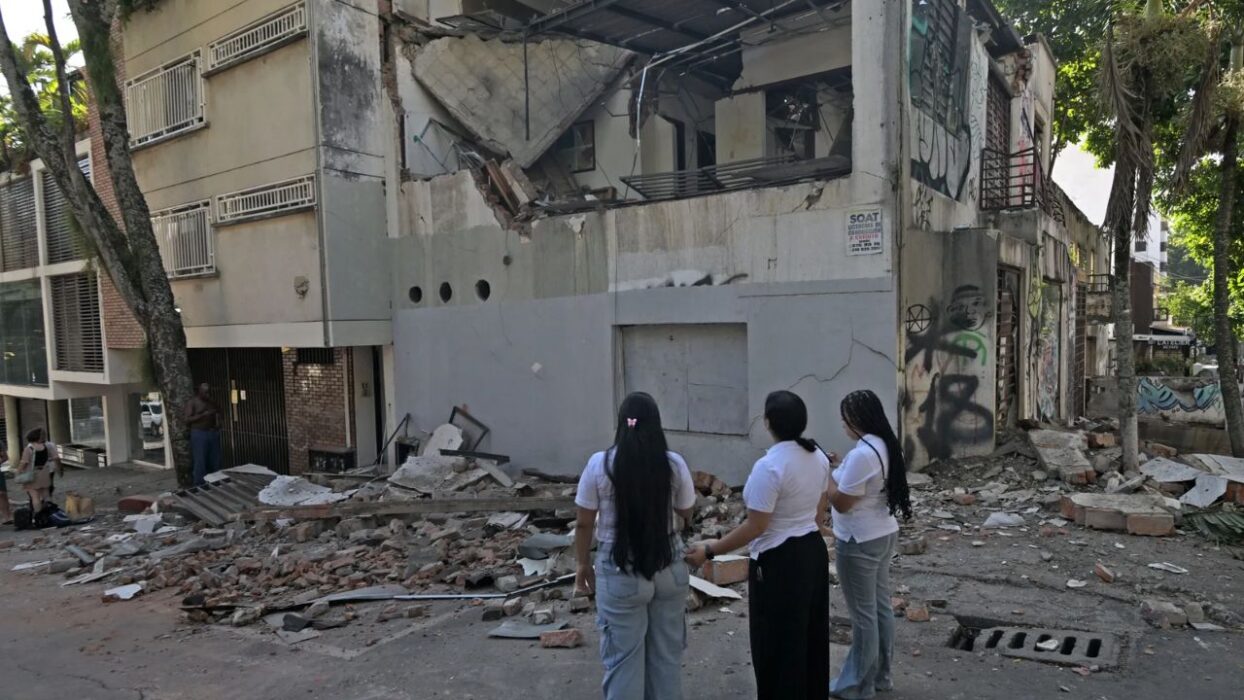
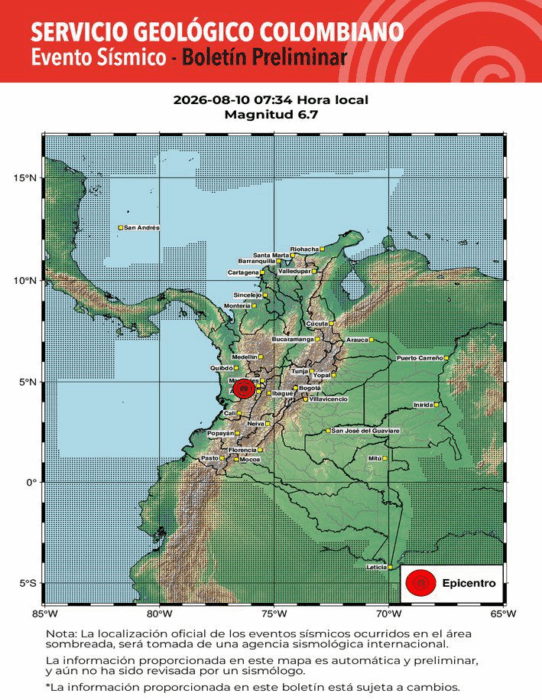
At 7:34 in the morning on Monday, August 10, the ground under western Colombia broke. A magnitude 7.4 earthquake, with its epicenter near San José del Palmar in the Chocó department on the Pacific coast, was felt across the country and beyond, reaching Bogotá, Quito, and Panama City. By the time emergency responders were on the ground, the death toll was already climbing.
Julio Fierro Morales, director of Colombia’s Geological Survey, called it “the strongest earthquake felt in the country in the last decade.” Two aftershocks followed, measuring 2.8 and 4.8 magnitude. The 1.9 million people living in the most affected zone are now facing collapsed buildings, closed airports, and blocked roads. The country’s new president, Abelardo de la Espriella, three days into his term, is racing to coordinate a national response.
Here is what we know.
The Earthquake Hit Pereira, Manizales, and Cali the Hardest
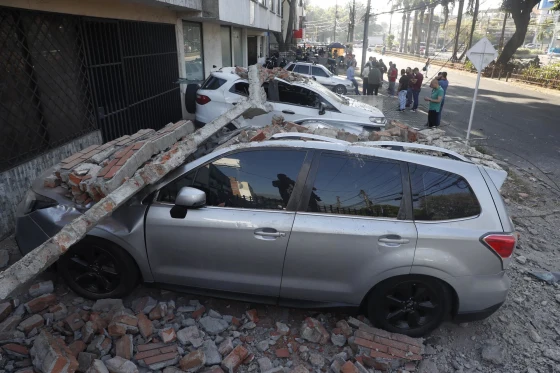
Pereira is where the confirmed death toll is highest. Mayor Mauricio Salazar confirmed 18 deaths in the city. Including three people killed in the destruction at the Matecaña airport, where social media images show damage to the roof structure. Multiple structures across Pereira fell partially or entirely. And images shared on social media show the full extent of the wreckage.
In Manizales, Mayor Jorge Eduardo Rojas confirmed three deaths. He also confirmed more than 12 buildings partially or fully destroyed. And more than 20 homes in ruins, with gas and electrical leaks spreading across the city. Images from the scene show one of the towers of the city’s cathedral reduced to rubble. “The situation is very tragic and very hard for the city,” Rojas said. He told local media that his city’s emergency responders could not keep pace with the scale of the damage: “We are not keeping up.”

Cali, Where President de la Espriella’s Inauguration Happened Just Three Days Ago, Is Also Taking On Serious Damage
Mayor Alejandro Eder reported that at least 25 buildings were severely affected. People are still trapped under rubble at multiple sites, including the Capri neighborhood and along Avenida Roosevelt. The Molino Rojo motel on the Autopista Suroriental collapsed almost entirely, according to El País. Eder wrote on X: “Cali residents, at this moment we have at least 20 collapsed structures in Cali, with people trapped. We are already managing this emergency with all of Cali’s rescue organizations.” He requested rescue teams from both Bogotá and Medellín and urged residents to leave any building where they see large structural cracks.
In Quibdó, the capital of Chocó and the department that sits at the epicenter, Governor Nubia Carolina Córdoba reported “injured people and serious damage to buildings,” with a full damage assessment still underway. The government confirmed one additional death in Buenaventura, according to El País, bringing the confirmed total to 22.
The Death Toll of Colombia’s Earthquake Could Be Much Higher
At least 22 people are confirmed dead, but the U.S. Geological Survey estimates a 35% probability that the final toll falls between 100 and 1,000, based on the population density of the affected zone. San José del Palmar, the small Chocó municipality at the epicenter, has a population of roughly 4,700, according to the Associated Press. The earthquake struck at a depth of approximately 82 kilometers, according to the USGS, deep enough to distribute the shaking across a massive area.
Javier Tinoco, a Bogotá resident who evacuated his home in the northern part of the capital, told the Associated Press how the moment felt. “We evacuated as quickly as we could,” he said. “It hadn’t been felt this strong here in Bogotá.” Tinoco told AP he was especially nervous thinking back on the earthquakes that struck neighboring Venezuela in June, which killed more than 5,000 people.
Authorities Closed Six Airports; Major Roads Blocked
Colombia’s Civil Aviation authority, Aerocivil, confirmed that flight operations have been suspended at six airports: Pereira, Manizales, Quibdó, Armenia, Cartago, and Buenaventura, pending structural assessments. Two major roads near the hardest-hit cities are also closed, including the Cali-Loboguerrero highway, where a rockslide cut off passage.
A New President, Three Days In, Leads the Response
Abelardo de la Espriella assumed the Colombian presidency last Friday. On Monday morning, he announced he was canceling his entire agenda in the capital and traveling to Bogotá to lead emergency operations from the headquarters of Colombia’s National Disaster Risk Management Unit. He established a Unified Command Post to coordinate relief across Chocó, the Eje Cafetero, and other affected regions. He announced plans to travel to Pereira personally to be with those affected.
“You are not alone,” De la Espriella said in a video shared on his social media. “Colombia has a president who feels for his people and will do everything in his power to help them in the most difficult moments.”
Bogotá, which reported no structural damage, deployed 100 rescue workers to the hardest-hit cities. Medellín is expected to follow. Republican U.S. Senator Bernie Moreno, cited by El País as an ally of De la Espriella, posted that “the United States is ready to help our great ally.”
Colombia’s Earthquake Was Felt Across the Region
The earthquake reached far beyond Colombia’s borders. In Ecuador, residents in Tulcán, Ibarra, and Quito evacuated buildings during a national holiday. No injuries or damage were reported there. In Panama, vibrations lasted between 40 seconds and a minute in the border provinces of Darién and Guna Yala. They were felt in Panama City, where some buildings were evacuated, and metro service was briefly halted. No damage was reported. Venezuela is monitoring its border states of Táchira and Zulia, where authorities reported no casualties or serious damage as of Monday afternoon.
In Colombia’s capital, BBC News Mundo correspondent José Carlos Cueto described experiencing the earthquake from a taxi. He wrote that trees, traffic lights, and buildings swayed, and that people poured into the streets. The shaking, he reported, lasted nearly two minutes. Mayor Carlos Fernando Galán later confirmed that Bogotá sustained no structural damage, only some cracks in buildings.
We will continue to update this story as more information becomes available.