
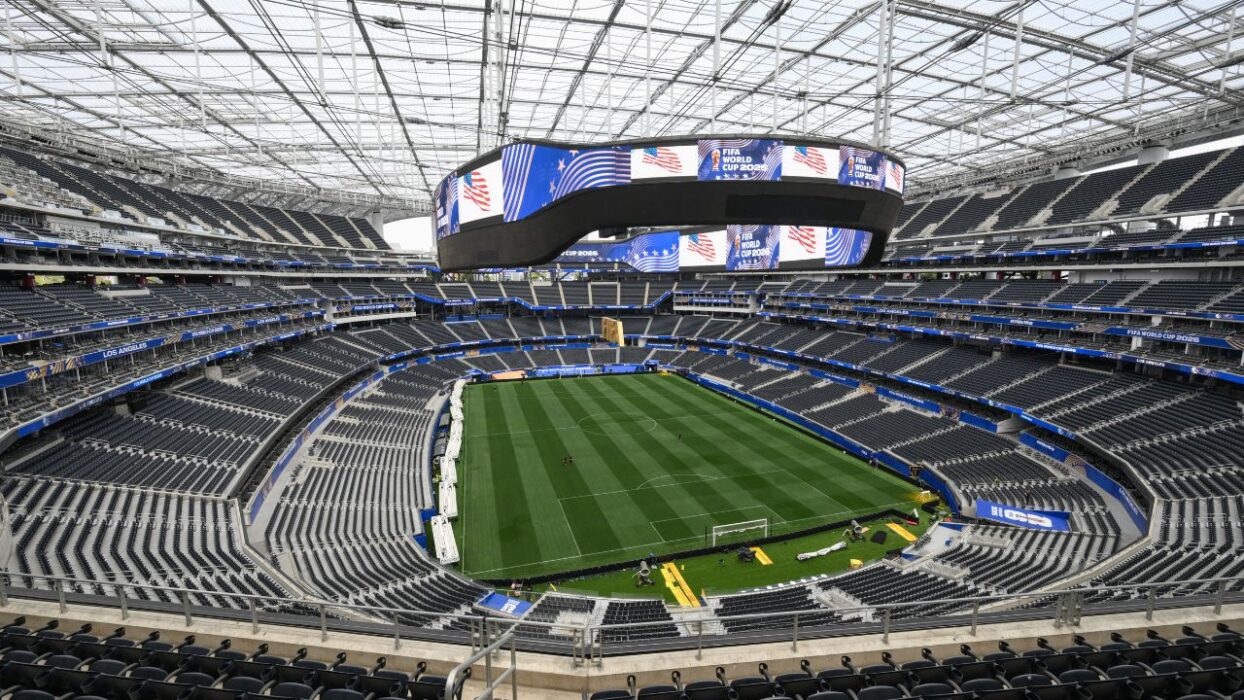
Three Days Until the World Cup, And It’s Already Giving Disaster
The 2026 FIFA World Cup kicks off on Thursday, June 11. It’s supposed to be the biggest tournament in history—48 teams, 104 matches, six billion viewers watching across the globe. FIFA president Gianni Infantino keeps saying “football unites the world.” But if you ask the people who actually have to run the tournament, or those who really want to be there, you’ll hear something very different. This World Cup doesn’t look so much like “union” as chaos.
And it hasn’t even started yet.
The Hotels Are Already Calling the 2026 World Cup a Non-Event
Last month, the American Hotel and Lodging Association surveyed more than 200 hotels across the 11 U.S. host cities. They found that nearly 80% said hotel bookings are tracking below initial forecasts. The hospitality industry—the people whose businesses depend on this tournament—is already writing off what many call the biggest sporting event on the planet.
Some hotels blamed overseas visa troubles. Others said FIFA created “an artificial early demand signal” by overcommitting to room blocks, then exercising an opt-out clause to cancel thousands of reservations in cities like Philadelphia and Dallas. According to a FIFA spokesperson, the accommodations team was simply “adjusting room blocks” in line with “contractually agreed timelines.” But the hotels weren’t impressed. According to the AHLA report, many respondents described the tournament as a “non-event” in these cities.
If you think about it, hotels are the canaries in the coal mine. They track actual demand and know when people are buying plane tickets and securing accommodations. What they’re seeing is a world that’s decided to sit this one out.
Everything Costs So Much That Even Trump Won’t Pay
Tickets for a regular group-stage match cost between $400 and $1,000 on the resale market. The final at MetLife Stadium in New Jersey? Nearly $33,000 for the best seats. According to TicketData, a ticket-price tracking platform, the average cost of a group-stage match in New York was $864 at the end of May.
In fact, when the media asked President Donald Trump about fans paying $1,000 to watch the USA’s opening match, he said, “I would not pay it either, to be honest,” he told The New York Post. Read that again: Trump. Wouldn’t. Pay.
The attorneys general of New York and New Jersey launched investigations into FIFA’s ticket practices after allegations of “artificially inflating prices” and “misleading fans.” According to the subpoena, some fans who won tickets in the ballot for one price category received tickets of lower value, with seats farther from the pitch. Last month, around 60 fans who bought tickets for free due to an error on FIFA’s website were told they’d have to repurchase them at full price or lose them.
Even FIFA acknowledged something was off. A spokesperson confirmed that the organization released tickets at various price categories, including “a minimum of 1,000 tickets at $60 each for each match, including the final.” But those $60 tickets barely exist in the resale market. What exists is a lottery in which ordinary fans lose, and scalpers win.
The Border Is Where the Real Problems Live
The visa situation is worse than the tickets. According to the International Sports Press Association (AIPS), many Iranian and African journalists have been denied visas needed to cover the tournament on U.S. soil. AIPS president Gianni Merlo wrote to FIFA: “We find ourselves facing a long-standing and unacceptable problem for us journalists: the denial of entry visas to regularly accredited colleagues.”
He went further. Journalists from some countries can only enter the U.S. once. If their team plays in Canada or Mexico during the group stage, they can’t return to the States. “The cases are countless,” Merlo said, “and, I repeat, unacceptable.”
But journalists aren’t the only ones blocked. Fans from Iran, Haiti, Senegal, and the Ivory Coast—four countries that qualified for the tournament—are effectively shut out by Trump’s travel bans. Citizens from 50 countries faced a $15,000 visa bond requirement just to enter, though the Trump administration waived that fee for World Cup ticket holders at the last minute.
Two Scottish brothers had their ESTA authorizations revoked on June 3 without explanation, even though they had been approved in December. U.S. officials have made clear that “having a World Cup ticket does not guarantee your entry to the United States.” A valid visa, a valid ticket, and confirmed accommodations—none of it guarantees you get in. The border decides.
In other words, FIFA promises to welcome the world to this tournament. Trump’s policies ensure that parts of the world will be turned away.
The Tournament Itself Is Coming Apart
Behind the scenes, the operational failures keep stacking up. Unite Here Local 11, which represents nearly 2,000 SoFi Stadium employees in Los Angeles, voted 96% in favor of authorizing a strike. The workers are demanding stronger protections against ICE agents, higher wages, and safeguards against outsourcing. If they walk out during the USA’s opening match, fans will face long concession lines, reduced food options, and operational chaos.
Then there’s the scheduling disaster FIFA refuses to acknowledge. On June 26, Seattle’s Pride celebration will feature a World Cup match between Iran—where homosexuality is punishable by death—and Egypt, where homosexual activity can result in up to three years in prison. The Egyptian Football Association said it would reject “in absolute terms” any signs of gay pride. Iran’s federation called the pairing an “irrational move.” FIFA said nothing. The match stays on the schedule, and Seattle will have to figure out how to host it.
Meanwhile, Iran itself remains in limbo. The country’s players finally received visas on June 5, just ten days before their opening match. But more than a dozen staff and officials, including Iran’s federation president, were denied entry. They’re supposed to travel to Mexico in hopes of winning belated approval. No one knows if they’ll be allowed back into the U.S. for matches.
So, What Should We Expect From the 2026 World Cup?
This World Cup was supposed to be different. It’s the first tournament with 48 teams, the first shared among three countries, and the first with no logistical excuses. There are no stadium construction delays, no infrastructure failures, no last-minute scrambles to get facilities ready. While the infrastructure works, the issues are of a different nature.
The problem is that the United States is hosting a global event while enforcing some of the strictest immigration policies in modern American history. While FIFA promised to unite the world, Trump’s administration is doing the opposite. And no one—not FIFA, not the U.S. government, not stadium operators—seems to have a clear answer for what happens when this all intersects.