
The Academy Museum Is Finally Dedicating an Entire Exhibition to Mexican and Chicano Cinema
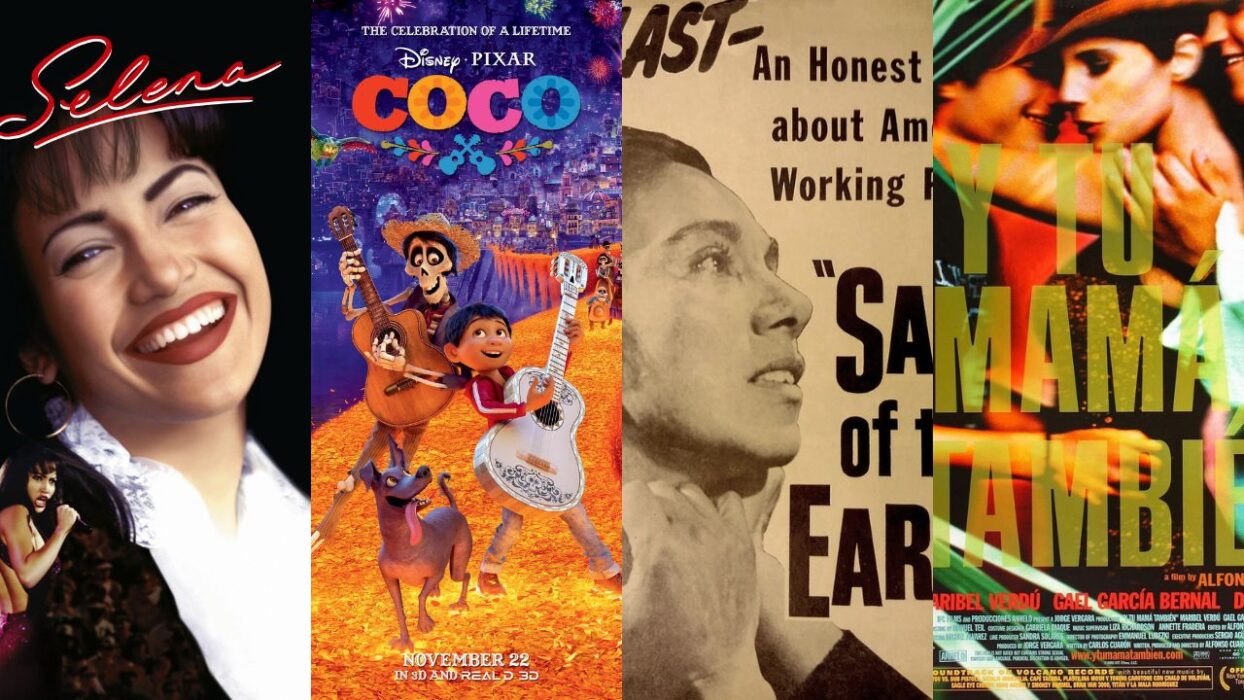
Costumes, props, posters, and photographs from Selena, Coco, La Bamba, Zoot Suit, the 1931 Spanish-language Dracula, Y Tu Mamá También, and dozens more. This is what we will be able to see up close starting September 25, 2027. That fall, hundreds of rarely-seen original pieces will fill the Marilyn and Jeffrey Katzenberg Gallery at the Academy Museum of Motion Pictures in Los Angeles. The exhibition, called Cinelandia: Celebrating Mexican American Cinema, runs through July 23, 2028, and it opens during Hispanic Heritage Month.
“This exhibition celebrates the extraordinary and vast contributions of filmmakers, artists, and audiences to cinematic history while also acknowledging the complexities of representation on screen,” said Sophia Serrano, the Academy Museum associate curator who is organizing the show. “By bringing together films that span more than a century — from the silent era to contemporary works — we invite visitors to see how cinema has served as a space for cultural expression, resistance, creativity, and community.”
Cinelandia Goes All the Way Back to the Silent Era
In honor of the range and influence of Mexican, Mexican-American, and Chicano cinema, the new exhibition is organized into five themed galleries. And each covers a distinct chapter in the history. The first traces the relationship between Hollywood and Mexico in the silent and classical eras. The second examines filmmaking during the Chicano Movement of the 1960s. Similarly, the third covers the rise of popular Chicano narrative films in the 1980s and 1990s, as well as the influence of New Mexican Cinema in the 1990s and 2000s. Then, the fourth looks at genre films and their fandom from the 1960s to today. And finally, the fifth focuses on present-day animated, sci-fi, and fantasy films that draw from Mexican culture to reimagine identity and history.
The exhibition will also examine how Mexican American filmmakers engage with painting, literature, poetry, theater, and music. And how those influences shaped global filmmaking.
From La Bamba to Coco, the Films Finally Getting Their Due
The roster spans more than a century of filmmaking and did not disappoint. Director Luis Valdez’s La Bamba (1987) and Zoot Suit (1981) are in. So are three films by Gregory Nava: the Oscar-nominated El Norte (1982), My Family/Mi Familia (1995), and the Jennifer Lopez-led biopic Selena (1997). Santa (1932), the first Mexican narrative sound film, is included, along with Enamorada (1946) and the 1931 Spanish-language Dracula.
Works by the filmmakers The Los Angeles Times describes as Mexico’s Oscar-winning “three amigos” will also be featured: Guillermo del Toro’s Cronos (1992), Alfonso Cuarón’s Y Tu Mamá También (2001), and Alejandro G. Iñárritu’s Babel (2006). Rounding out the exhibition are Coco (2017), The Book of Life (2014), Sleep Dealer (2008), From Dusk Till Dawn (1996), Salt of the Earth (1954), and the 1969 film Yo Soy Joaquín, among many more.
The Academy Museum Is Not Shying Away From the Uncomfortable Parts
However, while we love to celebrate the achievements of our community, we know well the hardships Latino actors, directors, producers, and writers have had to overcome in Hollywood. Cinelandia will not paper over the industry’s complicated history with Latino talent. Serrano told The LA Times that the show will engage directly with the stereotypical portrayals of Latinos in film and their ongoing underrepresentation in Hollywood. This reality continues to this day.
“Many of the films and artists featured in the exhibition draw attention to or push against these challenges in a variety of ways,” Serrano said. “A guiding principle of the exhibition is foregrounding the voices of film artists themselves via interviews, written quotes, and guest curations and collaborations alongside the hundreds of original objects that will go on display, and this aims to tell an earnest and engaging story about this history.”
What’s more, L.A. County’s population is nearly 50% Latino, and part of the exhibition’s purpose is to connect directly with that community. “Mexican American cinema is … a big part of Los Angeles’ history,” Serrano told The Latin Times. “We want this exhibition to connect with the broader Los Angeles community, as well as illuminate the history behind many of the beloved films from Mexican American and Mexican filmmakers.”
The People Behind Cinelandia Have Been at This Since 2019
The idea for Cinelandia was first discussed in 2019, and work officially began in late 2022. “It grew from a previous research and programming project we did as part of the Getty Foundation’s Pacific Standard Time: Los Angeles x Latin America initiative, before we opened the Academy Museum in 2021,” Serrano told The LA Times.
Serrano organizes the exhibition alongside assistant curator Emily Rauber Rodriguez and curatorial assistant Josue Lopez. And is guided by a 12-person advisory panel that brings together filmmakers, scholars, and curators, including cartoonists, filmmakers, and academics.
Finally, Cinelandia is the seventh large-scale exhibition mounted in the Katzenberg Gallery. It follows previous shows dedicated to Hayao Miyazaki, Black cinema, John Waters, and others. Amy Homma, director and president of the Academy Museum and the Academy Collection, said in a statement: “Cinelandia reveals the richness, range, and resilience of Mexican American and Mexican experiences, while encouraging new conversations through the enduring power of cinema.”