
So Why Do People Fall Backward Into the Sea on Noche de San Juan?
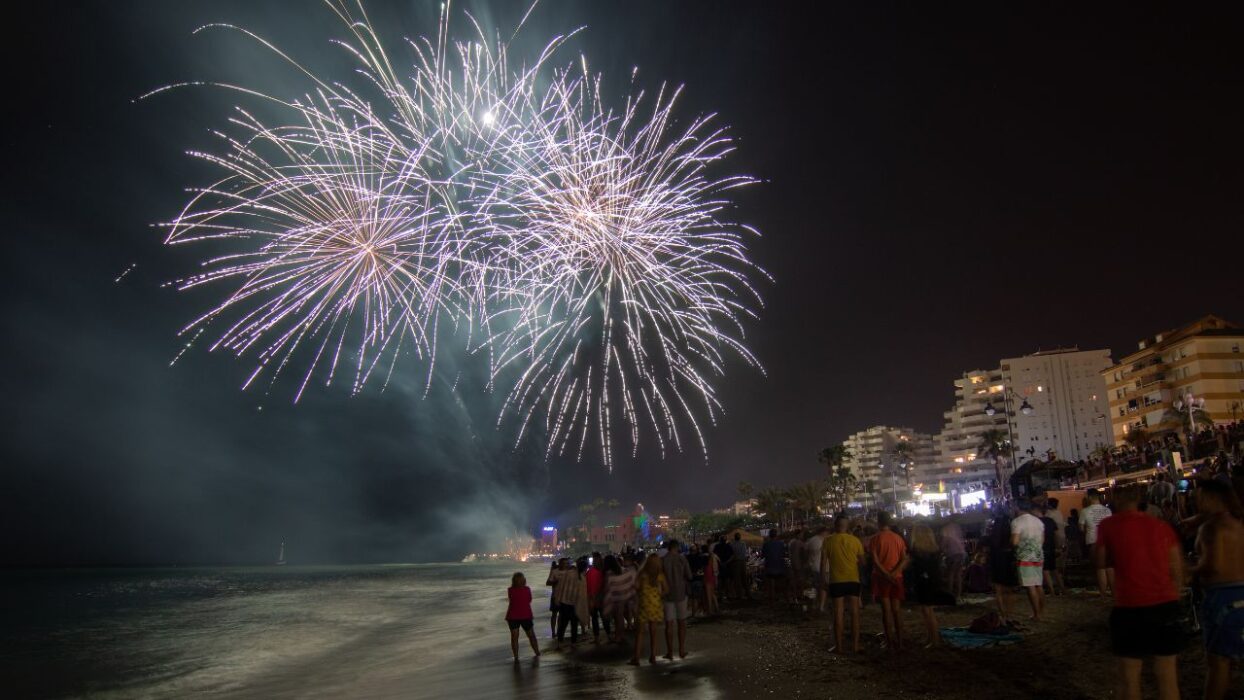
If you spend June 23rd on a beach in Puerto Rico, you’ll notice something happens right around midnight. The music doesn’t stop, and the bonfires keep burning. But the whole crowd turns its back to the ocean, all at the same moment, and falls in.
That’s Noche de San Juan, and the backward plunge is the part most people remember. Most Puerto Ricans know the ritual since childhood. You have to face away from the water and fall backward into the waves. And repeat it an odd number of times for good luck. What takes longer to explain, even for people who have done it their whole lives, is where the backward part actually comes from.
What the Backward Fall on Noche de San Juan Actually Means
The fall is meant to be a clean break with the year that’s ending. Three backward plunges into the ocean cleanse the spirit and invite good luck for the year ahead. Falling backward, instead of diving forward, symbolically leaves the old year behind you rather than carrying it into the new one.
The backward fall turns a quick dip into a small, deliberate act of letting go, repeated by thousands of people on the same beach at the same minute.
A Tradition Older Than Puerto Rico Itself
The ritual didn’t start on the island, and it didn’t start with the church. Long before Catholicism reached the Caribbean, communities across Europe marked the summer solstice with bonfires. They would do so honoring the sun on the longest day of the year and warding off the spirits believed to wander on the shortest nights. Fire and water, the two great purifying elements, sat at the center of the celebration.
As Christianity spread, that solstice festival merged with the feast of Saint John the Baptist on June 24. And the night before became Noche de San Juan. The themes barely changed: cleansing, renewal, protection, and welcoming a new season. Puerto Rico, with its warm summer sea always within reach, gave that fire-and-water tradition its most natural form: the midnight dive.
Fire and Water: The Baptism Behind Noche de San Juan
San Juan Bautista holds a rare distinction in Catholicism. He is the only saint the church commemorates on the day of his birth rather than his death. Water became central to his feast because, according to Christian tradition, John baptized Jesus. Fire entered the story too, tied to the bonfire he is said to have lit to announce his own birth.
That pairing of fire and water carried into Puerto Rico’s version of the holiday almost unchanged. Beaches fill with bonfires before midnight, and the water is believed to absorb a kind of supernatural strength tied directly to that biblical baptism.
Three, Seven, or Twelve: Does the Number of Falls Matter?
Three is the classic number, though seven and twelve both show up regularly, depending on how much luck a person is chasing. A stricter version of the rule, favored by some practitioners, states that the number of falls should be odd, since odd numbers are associated with good fortune. And the ritual isn’t considered finished until the person avoids looking in a mirror until the following day.
What to Do If You Can’t Reach the Beach for Noche de San Juan
Not everyone on the island lives near the coast. However, botánicas across Puerto Rico fill up in the days leading up to June 23 with people seeking alternatives. Some collect seawater and salt in a container, leave it under the moonlight for 24 hours, and use it to bathe or clean their home at midnight instead of going to the ocean. Others light pink or red candles for love, white candles for protection, or place white flowers at their front door as a symbol of purification.
The common denominator, on the beach or off it, is the same pair of elements that started the whole tradition: fire and water, working together to close out one year and open the next.
The Ritual Stretches Far Beyond Puerto Rico’s Shores
Puerto Rico’s version is distinct, but the date belongs to a much wider map. Spain marks the same night with the Hogueras de San Juan, building towering bonfire sculptures in cities like Alicante and Barcelona. Portugal’s Festa de São João turns Porto into one of Europe’s liveliest street festivals. The night ends with fireworks over the Dom Luís bridge along the Douro River. Brazil holds its own related Festa Junina, and Venezuela honors the night with the Velorio de San Juan, complete with drums and altars. Similarly, the Dominican Republic calls its version la zarandunga, which carries a statue of the saint to the river for a bath.