
‘Not Quite Belonging Can Be a Gift,’ Latino Journalist David Culver on Covering the World as a Cuban American, Openly Gay Correspondent
In a traditional Shikumen house in Shanghai, the neighbors figured out who David Culver was within days of him moving in. He was the foreign guy with the little dog. One neighbor introduced herself by walking straight through the back door and into his house. Within minutes, she was trying to set him up with her daughter. The young woman, by Culver’s account, looked horrified. She had probably realized they were a gay couple. He suspects the neighbor pieced together the rest of the story shortly after, because the matchmaking quietly stopped. Nothing else did. If anything, the neighbors grew warmer. When Shanghai sealed its residents in their apartments for weeks during the pandemic, those same neighbors helped Culver and his partner get through it by trading supplies and checking in virtually.
It might read like a short story, but it captures something Culver has spent two decades learning in newsrooms and across countries around the globe. People decide who to trust long before they decide what to think about your passport or who you love.
David Culver Spent Two and a Half Years Inside China’s Sealed Borders
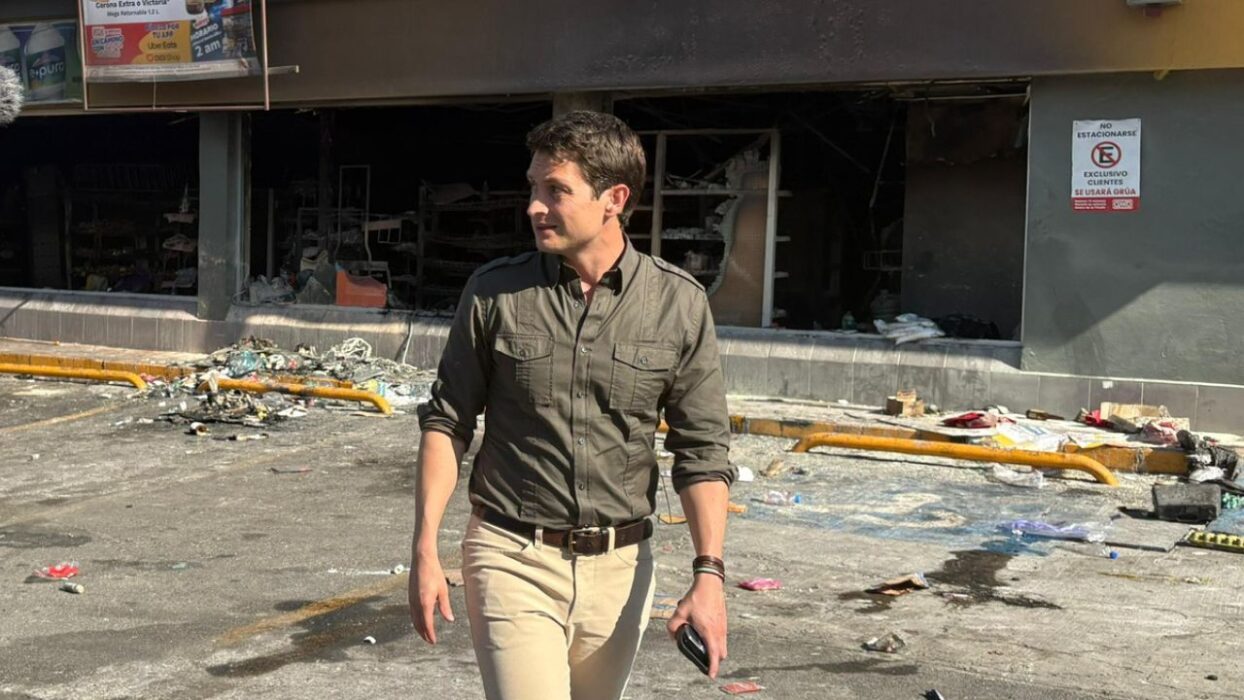
Culver is now a senior national correspondent for CNN Worldwide, based in South Florida, where he covers the migration crisis at the U.S. Mexico border. Before that, he spent years based in Beijing, covering China and the Asia Pacific region. That posting put him inside the country during the earliest days of the coronavirus outbreak, including a trip to the original epicenter in Wuhan, and kept him there through the punishing Shanghai lockdown. Culver remained within China’s near-sealed borders for more than two and a half years.
His reporting from that period earned him three of journalism’s most prestigious honors: the Walter Cronkite Award for Excellence in TV Journalism, the Overseas Press Club of America’s David Kaplan Award, and the George Polk Award, the first time in the award’s 73-year history that the top honor for Foreign Reporting went to a television report. His time in China also included coverage of the 2022 Beijing Winter Olympics, the U.S.-China trade war, and a 2021 investigation into the separation of children from their families in Xinjiang.
None of that, Culver said, prepared him for how different daily life in China felt from the headlines describing it. “The headlines were one thing,” he said. “Daily life was another.” Surveillance was real, and people were sometimes cautious about speaking to a foreign journalist. But as an openly gay man living in Shanghai with his partner, he found that attitudes toward sexuality there often had less to do with moral or religious opposition than with family expectations and the pressure to continue a family line. “Acceptance seemed to shift block by block and city by city,” he said, “much like it does anywhere else.”
How Identity Shapes Who Trusts a Journalist With Their Story
During the Shanghai lockdown, Culver and his partner spent fifty days inside a 500-square-foot apartment with their dog. “Honestly, I didn’t navigate much of that period so much as I was carried through it, often by my partner,” Culver said. Much of the footage that aired showed his partner behind the camera, trying to film Culver while keeping the dog from barking. Viewers, he said, were less worried about the two of them than about whether the dog made it out safely. He did.
As for who ended up trusting him enough to talk, Culver credits time more than anything else about his identity. “Stay somewhere long enough and you slowly stop being the CNN journalist and start being the foreign neighbor with the little dog,” he said. That shift is what pushed him toward the kind of storytelling he still chases. “The more time I spent in China, the more I wanted to close the gap between the foreignness people imagined and the humanity I encountered every day,” he said. “That’s what immersive storytelling became for me. Not explaining a place from a distance but living inside it long enough to let viewers discover it alongside me.”
The Cuba Documentary That Started as a Family Reunion
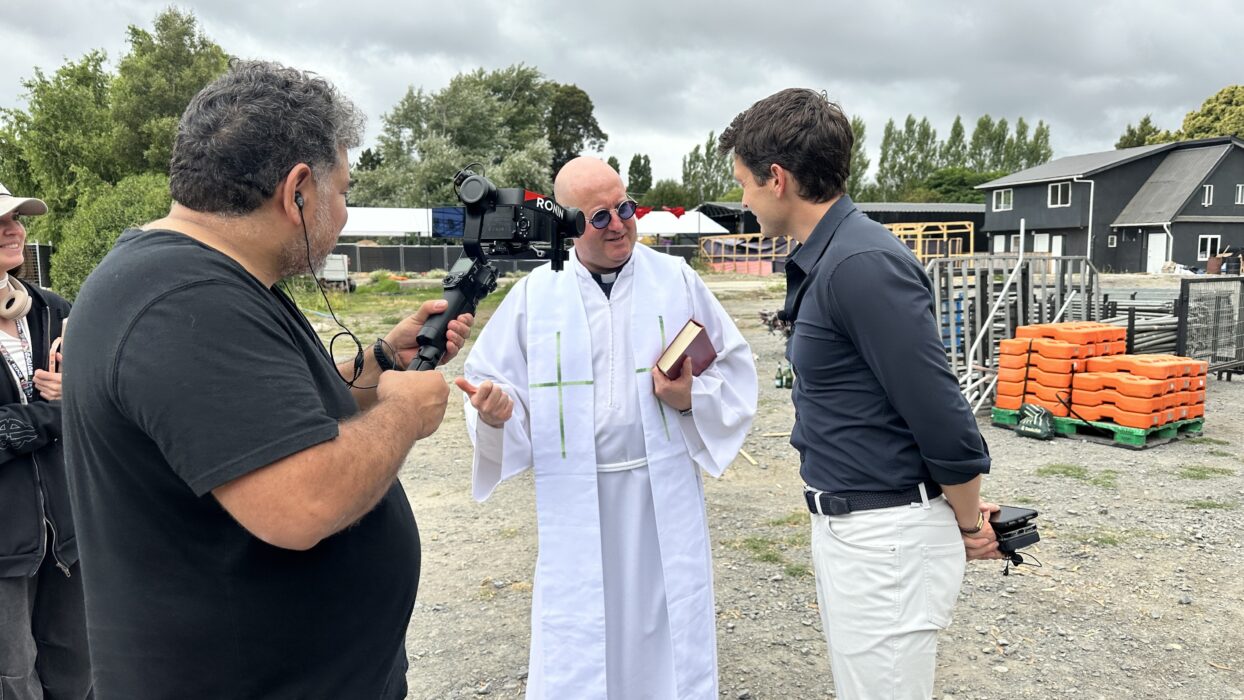
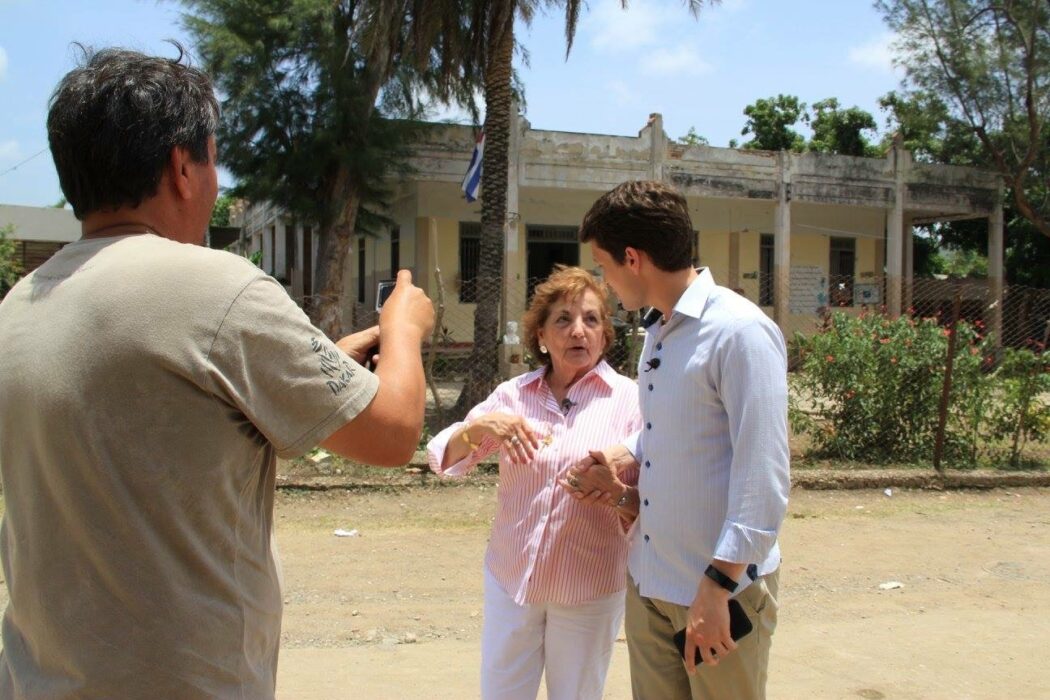
Culver is of Cuban American descent, and he has returned to the island multiple times as a correspondent, covering the reopening of the U.S. Embassy, Pope Francis’ visit, and the death of Fidel Castro. But his first trip back was personal. In 2015, he brought his mother and his grandmother, who had left Cuba fifty-four years earlier, back to the country she fled. The journey became “Rediscovering Cuba: A Journey Home,” an Emmy-winning documentary. “Honestly, this was probably one of the most self-serving assignments I’ve ever taken,” Culver said. His grandmother died five years later. “Looking back now, it doesn’t feel like an assignment at all,” he said. “It feels like a gift, one I’m not sure I fully appreciated at the time.”
His grandfather died in 1976, about fifteen years after leaving Cuba, and Culver never had the chance to know him. But walking the streets his grandparents once shared with his grandmother brought the stories he’d grown up hearing to life. He later returned to cover Castro’s funeral procession and was struck by the mortality underneath it. “History feels permanent when you’re growing up around it,” he said. “Then one day you’re standing there watching it pass by in real time, and you realize every chapter eventually becomes memory.” Reporting and family history blur for him in Cuba more than anywhere else, he said, but he is intentional about not letting the personal connection dictate the story. Asked whether he was reporting or finishing a story his family started, Culver said simply, “The truth is it’s both.”
What Family Separation Taught David Culver About Risk and Belonging
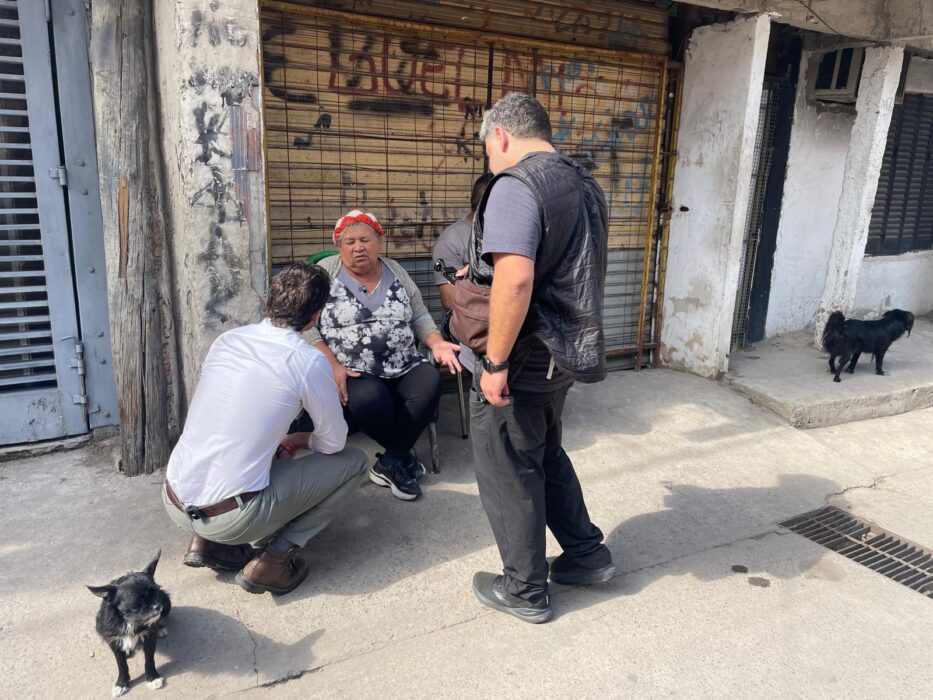
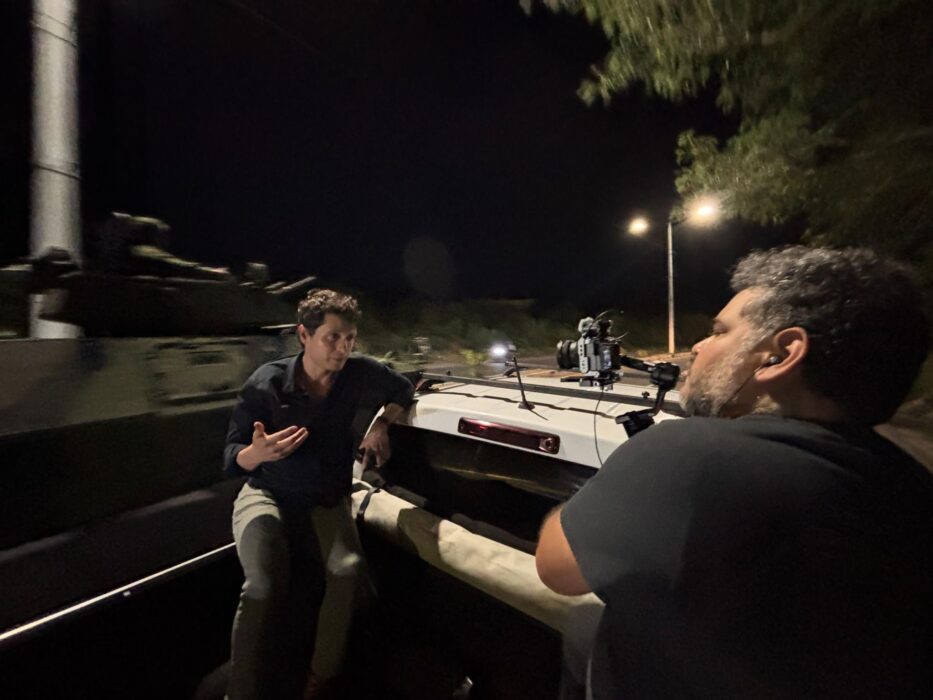
Culver has covered family separation in Xinjiang and, more recently, migration at the U.S.-Mexico border, stories he says circle back to a single idea: comfort and what people are willing to risk to get more of it for the generation after them. “We’re quick to admire the entrepreneur who risks everything on a new business venture, and rightly so,” he said. “But we spend less time thinking about the people who take an even greater risk, often with no guarantee they’ll ever see the reward themselves.” He’s also spent time with communities under strain due to migration, and said their concerns are legitimate and not something he waves away.
His own family’s history doesn’t change the questions he asks so much as how long he’s willing to sit with the answers, he said. His maternal grandparents left Cuba and started over in a new country, and his grandmother was alive for most of his life. He never asked her what it felt like to leave everything behind. “I think part of what I’m doing now is looking for those answers in other people’s stories,” he said.
Whether Being Cuban American and Gay Ever Opened or Closed a Door
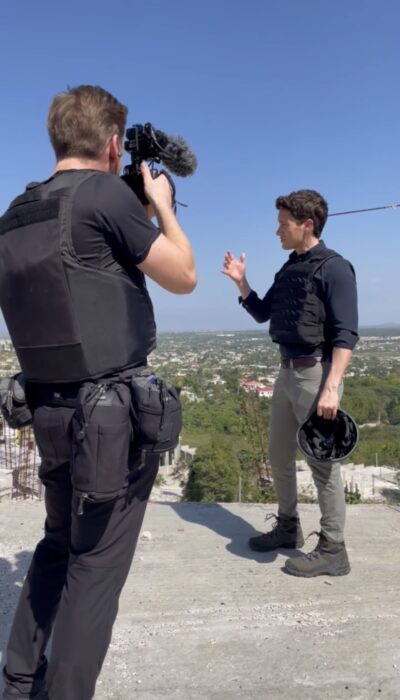
Asked directly whether his identity has opened or closed doors for him in the field, Culver resisted the premise. “I’ve never really thought of myself as one thing or another, so it’s hard to point to a single identity and say, ‘That opened this particular door,’” he said. “I’m Cuban through my mom’s side, American through my dad’s. A practicing Catholic,” he added, joking that “in faith, and most sports to be fair, practicing was never going to make perfect.” “Add to that the person I happen to share my life with, and an ADD mind that has a habit of chasing a dozen thoughts at once. None of those things is usually what I lead with. They’re just parts of who I am.”
If any of it has opened doors, he said, it isn’t because of the labels themselves. “It’s because they remind me not to assume too much about the person sitting across from me,” he said. “I’ve been reporting long enough to know how little I actually show up knowing. The person I’m interviewing is the expert on their own life. My job is to be open and curious enough to let them teach me something.” The moments his identity has closed doors, he said, are simply part of life. The bigger risk, in his view, is assuming you already understand someone before you’ve asked enough questions.
What David Culver Understands Now About Being an Outsider
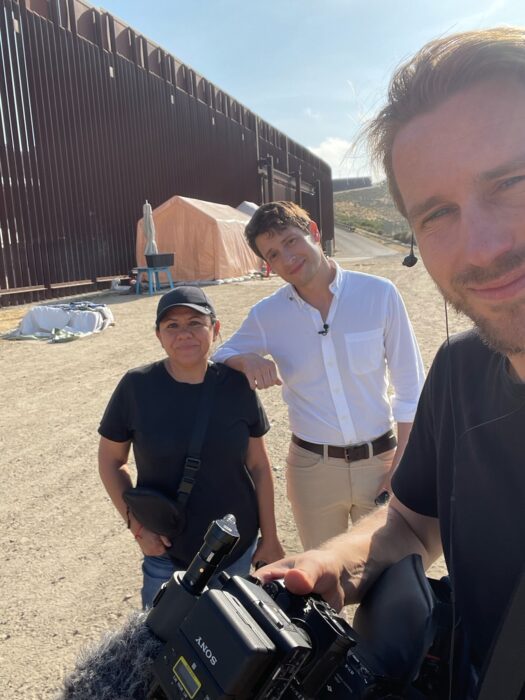
Culver graduated from William and Mary with a degree in Hispanic Studies, a minor in Middle Eastern Studies, and some Arabic, which he admits never fully stuck. Given his background, he assumed CNN would eventually send him to Latin America or the Middle East. Instead, he was sent to Beijing and felt completely unprepared. Jeff Zucker, who ran CNN at the time, told him otherwise. “I’m not hiring you because you’re an expert,” Zucker told him. “I’m hiring you because you’ll go in with fresh eyes.” That reframed the assignment entirely, Culver said, because people who become too embedded in a place often stop noticing what makes it unique.
He graduated from William and Mary, believing that being an outsider was a problem to eventually solve, that enough languages and enough history would turn him into an insider. He now believes the opposite. “Not quite belonging can be a gift,” he said. “It’s what keeps you noticing. It’s what keeps you curious. The danger isn’t being an outsider. The danger is pretending you’re an insider.”
His mother, he said, taught him a few things that stuck long before any of this: nobody likes a know-it-all, never overstay your welcome, and stand up straight. He’s still working on that last one.