
The Chipotle Opening in Mexico Is Also a Test of Who Gets to Own a Food Culture
On July 16, a worker pressed a button shaped like a burrito wrapped in aluminum foil. And the facade of a restaurant in San Pedro Garza García opened to a burst of confetti. According to The New York Times, nearly 200 people had been waiting. Some arrived four hours early, in the heat. Gaby Rodríguez, a 44-year-old lawyer from Monterrey who stood first in line, told The Times: “What pride that the first one in Mexico and in Latin America is here.”
She was talking about Chipotle.
The pride Rodríguez felt is genuine. So is the community she represents. People who have lived and worked in the United States, know the chain, and see its arrival in their city as a recognition of sorts. But her reaction is not the only one on the table.
Chipotle, a U.S. company, has made its brand while adapting Mexican cuisine to a market north of the border. Born in San Francisco in the early 1990s, Chipotle launched its products long after Mexican immigrants had already carried the cuisine north and restaurants began working with what was locally available. Chipotle built 4,100 locations on that adaptation. Now it has returned to Mexico, serving the same menu it offers in Houston. And Mexicans are deciding what to make of it.
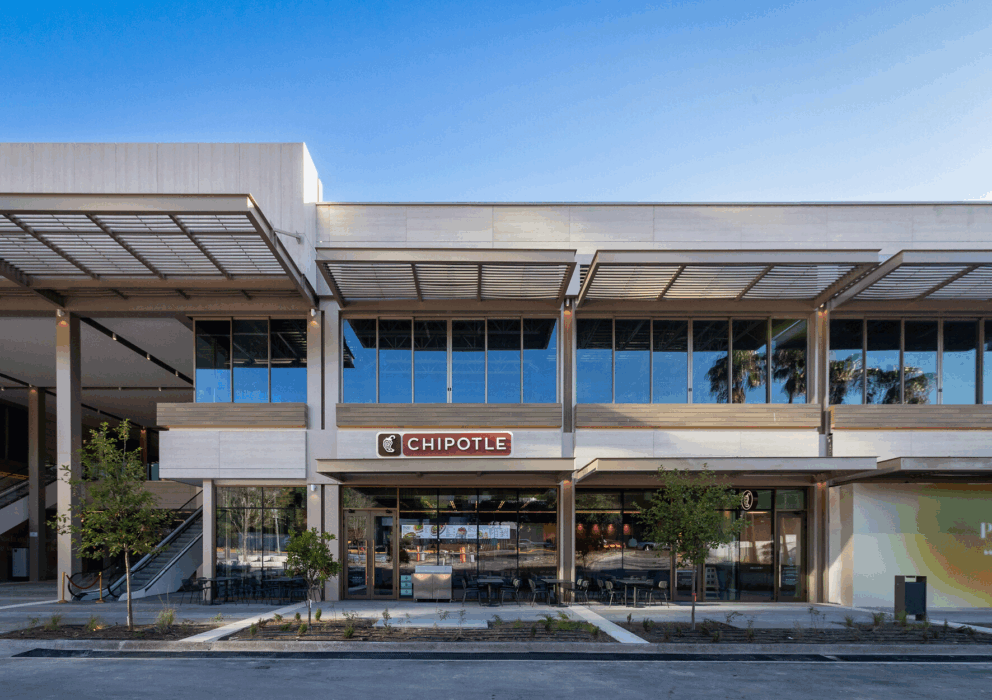
Monterrey Was Chipotle’s Easy Door Into Mexico
San Pedro Garza García, where Chipotle opened its first location, is the wealthiest municipality in Latin America by income per capita, according to Reuters. The broader Monterrey metropolitan area sits roughly three hours from the Texas border. And has a population of more than five million. Pablo Marcelo de Brito, the managing director of new brands for Alsea, the Mexican restaurant operator partnering with Chipotle, told The New York Times that the two countries’ cultures are so heavily intertwined in this region that it was the natural starting point. He also pointed to the area’s per capita purchasing power, the highest in Mexico.
Thus it’s logical that Chipotle would open in a higher-end shopping mall, in the richest suburb of Mexico’s most U.S.-adjacent city. Either way, the company priced its items roughly 25 percent below what it charges in the United States. The first 100 customers received a free Chipotle tote bag, T-shirt and hat.
Ricardo Aguilar, 26, a Mexican resident who visited on opening day, told Reuters he became a fan of Chipotle while in the United States and appreciated the chain’s quality ingredients and portions. “It’s a different kind of offering,” he said. “It’s definitely not your street-corner taco stand.”
That distinction is, depending on who you ask, the appeal or the problem.
A Two-Way Culinary Import
Chipotle takes its name from the smoked and dried jalapeño pepper. And traces its origins to San Francisco’s taco and burrito shops of the early 1990s. By that time, Mexican food had traveled north with Mexican migration, adapted to local ingredients and available supplies. Then, Chipotle grew from that adapted version into a chain operating more than 4,100 restaurants worldwide, primarily in the United States. Scott Boatwright, Chipotle’s CEO, said in a statement that his company was entering Mexico “with deep respect for the country’s culinary heritage.” However, the menu in Mexico is the same as the one in the United States. The same recipes. The same salsas.
Arturo Medrano, 50, who was eating at Tacos Leal, a downtown Monterrey taquería that started as a street stand in 1975, told The New York Times he had seen Chipotle in the United States but never tried it. He said he rarely eats Mexican food north of the border because the tortillas taste different, and dishes often come with yellow cheese instead of typical Mexican white cheese, plus sour cream, lettuce and rice. “If I want my Mexican food,” he said, “I live in Mexico, and I’ll eat my Mexican food here.”
Karla Téllez, 31, an engineer who went to the opening with her fiancé, already had a verdict from a prior encounter. The first time she had a Chipotle burrito in the United States, she told The New York Times: “What is this atrocity? Why do they put rice in it?” She planned to take a few bites and give the rest to him.
Tacos Leal, where Medrano ate that day, serves dozens of tacos and burritos, from eggs with potatoes to red or green chicharrón, according to The New York Times. Its most popular burritos carry only carne asada, cheese, and maybe refried beans. The tortillas are seared until lightly blistered and the salsas bring significantly more heat. A Tacos Leal burrito costs between $3.70 and $6.30.
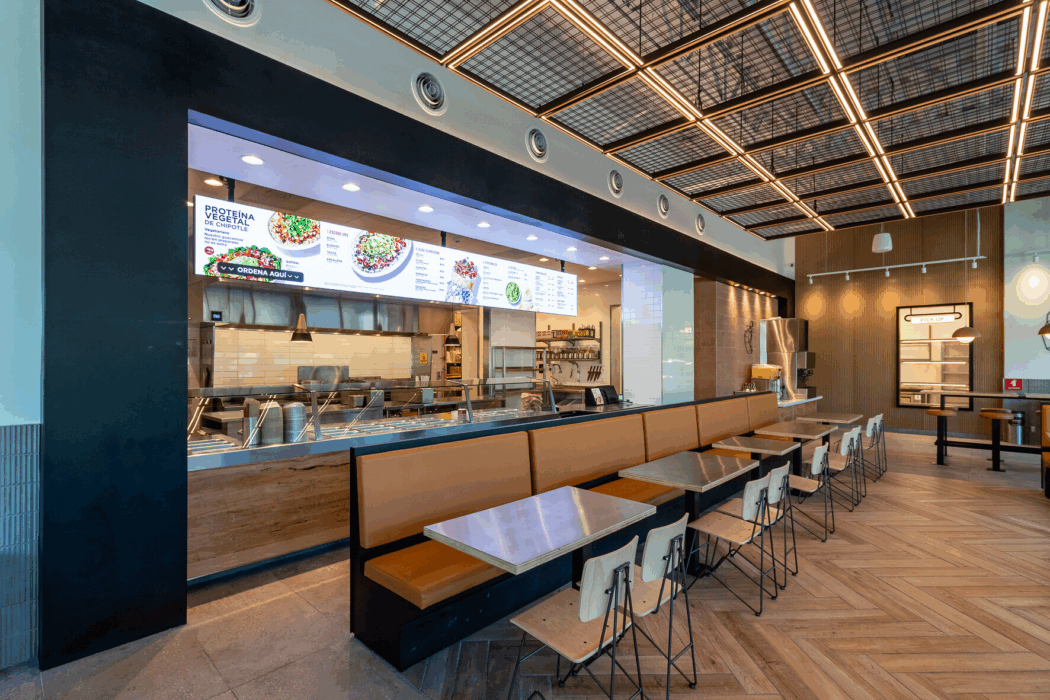
A Failure Foretold?
Chipotle’s entry into Mexico follows two unsuccessful attempts by Taco Bell, another American chain selling a version of Mexican food. Taco Bell opened several restaurants in Mexico City in 1992. The chain then tried again with a location in Monterrey in 2007, according to Reuters. Both times, the chain failed to compete with what already existed on the street.
Mexico’s national statistics office, INEGI, counts more than 147,000 registered taquerías across the country. In 2021, a geographer at Mexico’s National Autonomous University, Baruch Sangines, mapped 1.6 million taco shops and calculated that 95 percent of Mexico City’s inhabitants live within 400 meters of a taquería. In Monterrey, the figure falls to 75 percent.
Ignacio Juárez Aparicio, 59, an art dealer from Mexico City who visits Monterrey regularly, told The New York Times that an American brand of Mexican food might find an audience in the north, given the deep U.S. cultural influence there. He did not think Mexico City would be as accommodating. “I don’t go to a restaurant to eat tacos,” he said. “The tacos we eat in Mexico City are the ones people sell on the street, on the corners.”
Chipotle’s answer to the market is its partnership with Alsea, the Mexican restaurant operator that also runs Starbucks, Domino’s and The Cheesecake Factory in the country, according to Reuters. Sara Senatore, a senior restaurants analyst at Bank of America, told Reuters that Alsea’s commitment signals the brand has real prospects in the market, and that a cultural “mystique” often helps U.S. brands perform abroad. The plan is to open six to eight restaurants in the Monterrey area within the next year before expanding into Mexico City in 2027.
The Secret is, Literally, in the Salsa
To maintain the Chipotle brand, de Brito told The New York Times, the recipes and menu in Mexico are exactly the same as in the United States, including the salsas, despite the spicier standards of the Mexican market. Reuters reported that several sauces in Mexico have become milder in recent years due to gentrification. This trend accelerated during the COVID-19 pandemic, when U.S. citizens on remote work contracts moved to Mexico and outspent local residents.
Abimael Gándara, 69, a maintenance worker, was among the first customers on opening day, along with his wife and son. The family had lived in Colorado and Texas for 17 years before returning to Mexico in 2017, according to The New York Times. They liked the food and found the prices reasonable. They called it Mexican American and said it tasted exactly as they remembered it. A bottle of Tabasco sat on the table. “We were looking for hot sauces from here,” Gándara told The New York Times, “but that’s not what we found.”
His son, Abimael Jr., 40, was there partly out of nostalgia. Two decades ago, in the United States, he worked at a Chipotle. On opening day in Monterrey, he came back as a customer.
That is the circle Chipotle has completed. Mexican food traveled north with the people who made it. It became something different, an American translation, something that 4,100 locations built a company around. Now it has returned to the wealthiest suburb of the most U.S.-adjacent city in Mexico, with the same menu, the same mild salsas, and a button shaped like a burrito in aluminum foil.