
19 Years. 3 Billion Phones. Here’s How the iPhone Changed the World
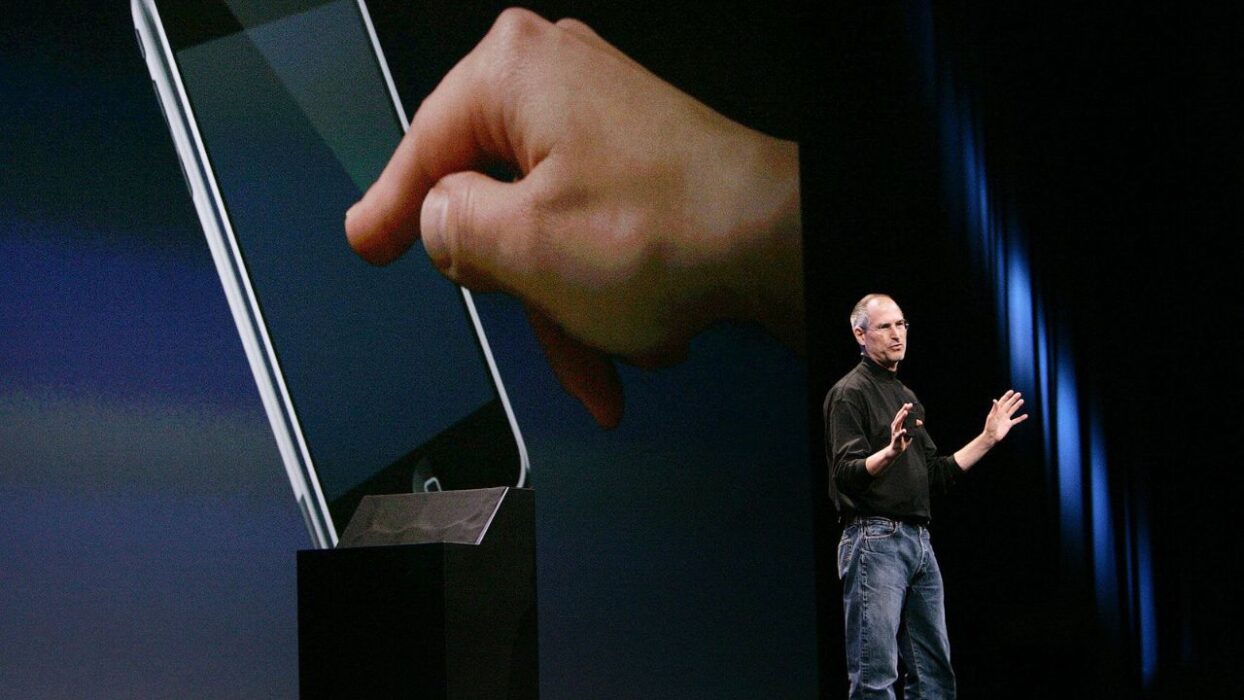
Picture this: it’s January 9, 2007. Steve Jobs walks onto a stage in San Francisco wearing his signature black turtleneck and says he’s about to introduce “three revolutionary products.” An iPod. A phone. An internet communicator. The crowd goes wild. Then he lets them in on the joke: it’s all one device.
Nineteen years later, there are more than 3 billion iPhones on this planet.
Yes, you read that right.
The first iPhone officially launched on June 29, 2007, almost exactly 19 years ago this week. And if you were alive then, you remember what “before iPhone” actually looked like: flip phones, physical keyboards, cameras that lived in a separate bag, MapQuest printouts, and a GPS unit suction-cupped to your windshield. We were out here carrying five devices to do what one single phone does now.
So yeah. The iPhone kind of changed everything. Here’s how.
It killed every other device in your bag
GPS unit? Gone. Digital camera? Collecting dust. MP3 player? Your abuelo’s iPod is now a relic. Alarm clock? Replaced. The original iPhone was advertised as three products in one, but by iPhone 4, it was quietly eating the entire consumer electronics industry for breakfast.
However, the camera is the real story here. The first iPhone had a 2-megapixel camera, something laughable by today’s standards, but already better than most dedicated phone cameras at the time. By the iPhone 4S in 2011, you had 8 megapixels and 1080p video in your pocket. That’s when point-and-shoot cameras started dying on shelves. Now the iPhone 17 Pro shoots with a 48MP triple camera and 8x optical zoom. Professional photographers actually use these things on set.
The iPhone gave us the App Store and changed how we waste time forever
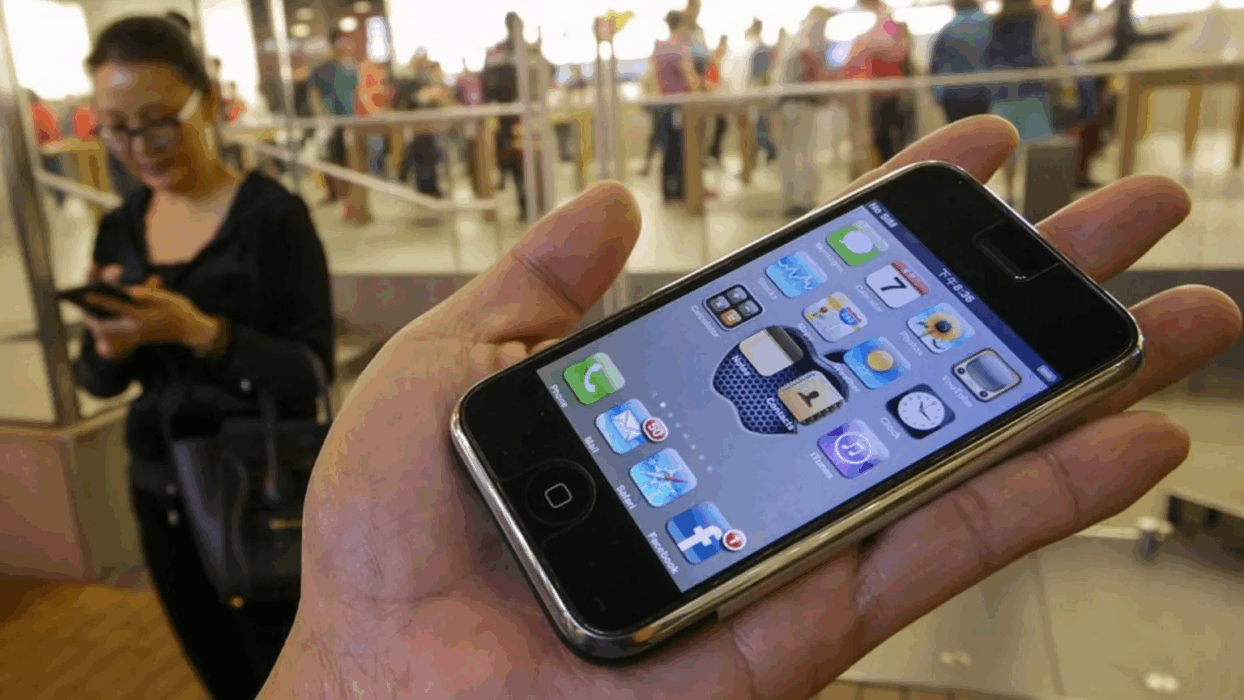
When the iPhone 3G launched in 2008, it brought something that changed the trajectory of the entire internet: the App Store. The update implied five hundred apps on day one. That number is now almost two million.
Before the App Store, mobile software was a mess. Phones came loaded with whatever the carrier decided to include, and adding new stuff was a nightmare. Then, Apple flipped it. Here’s a clean marketplace, here are the rules, now go build. And developers did. Within a few years, there was an app for literally everything — your bank, your food order, your ex’s location. Apple alone has logged over 140 billion downloads from the App Store. All of it traces back to that iPhone 3G moment.
It changed how we communicate and made “green bubble” a personality trait
Remember when calling people was the only option? Then texting? Then BBM made you feel like you were in an exclusive club? The iPhone 4S in 2011 introduced iMessage, and suddenly you could see whether someone had read your text and chosen not to respond. And yes, a new era of anxiety was born.
FaceTime launched with the iPhone 4 in 2010. Steve Jobs demoed it live on stage and said he hoped it would become “just another way we communicate.” And boy, was he right. Calling your grandparents stopped being a landline event. In fact, video calls had become commonplace years before the rest of the world “discovered” them during a pandemic.
And then there’s the blue bubble situation. You know what it means if your message comes back green. U.S. teenagers figured this out fast. 88% of them now use iPhones, partly because being the one with the green bubble in a group chat has become a whole social event.
How the iPhone buried the competition
Before the iPhone, the smartphone market was dominated by Nokia, BlackBerry, and Motorola. These were serious, entrenched companies with millions of loyal users. In fact, Nokia was the world’s largest mobile phone vendor.
Then the iPhone launched, and within a few years, all three were either gone, shrinking, or scrambling. BlackBerry, once the phone of presidents and CEOs, is now a trivia question. For its part, Nokia lost its top spot. And Motorola faded. Even Microsoft tried to compete with Windows Phone and couldn’t make it work.
The only company that survived and actually grew was Google. This is due in part to the fact that they threw out their original Android design and rebuilt it specifically to compete with the iPhone. Today, iOS and Android split 99% of the smartphone market between them. Everyone else didn’t make it.
The camera changed visual culture in its entirety
Here’s the thing nobody fully predicted, and we are still grappling with: putting a good camera in everyone’s pocket changed photography and how we actually live our lives.
Instagram launched in 2010, three years after the iPhone. YouTube had existed since 2005, but mobile video took off when the iPhone 3GS got video recording in 2009. TikTok, Reels, YouTube Shorts — all of it is downstream of Apple putting a camera in your pocket and making it easy to shoot, edit, and share without needing to know anything about cameras.
Content creation became a career. “Shot on iPhone” became a feather on your hat. In fact, Apple has run entire ad campaigns built around what regular people film on their phones. And the selfie only exists as a cultural phenomenon because the iPhone 4 added a front-facing camera in 2010.
However, there’s also a whole generation avoiding social circumstances they cannot curate for fear of the evidence we now can carry with us everywhere.
iPhone and the AI revolution
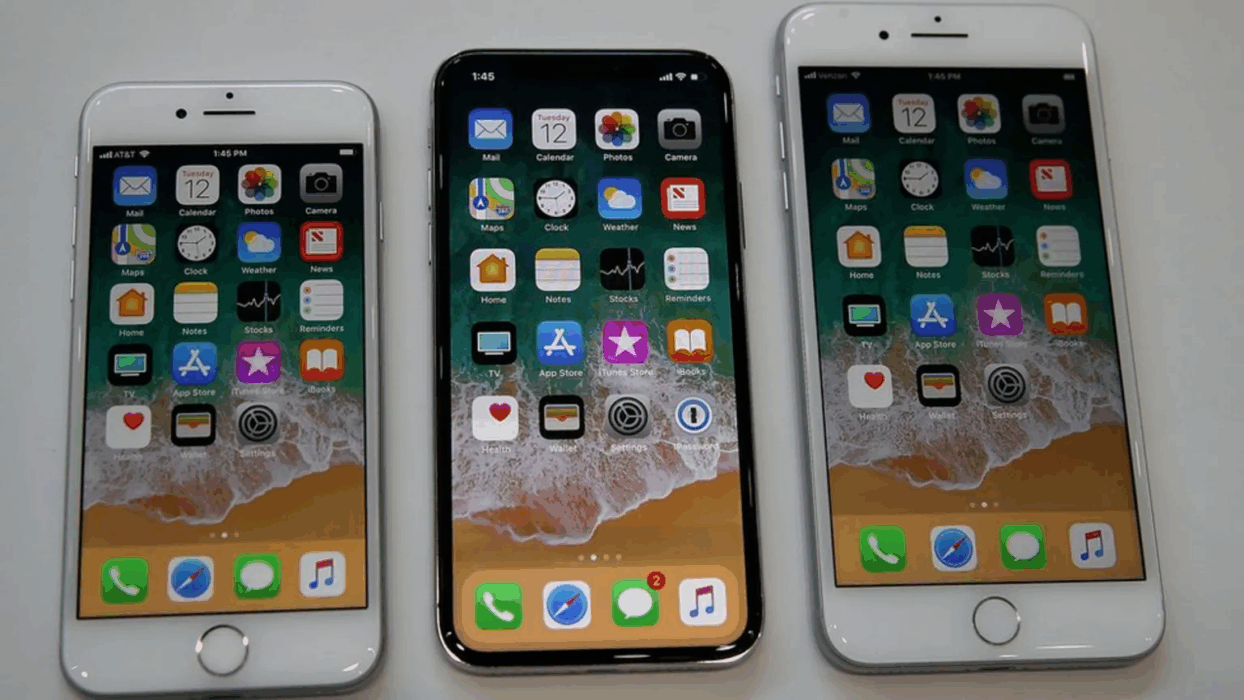
The iPhone 16 series, launched in 2024, was built from the ground up around Apple Intelligence, the company’s suite of AI features. Smarter Siri, real-time writing tools, cinematic video editing, contextual photo suggestions. The iPhone 17 series pushed it further with faster chips, better cameras, and the thinnest iPhone ever made (the iPhone Air).
Siri was introduced in 2011 as the first mainstream voice assistant on a smartphone. It was presented as one that understood the intent behind your words, not just the words themselves. Now, 15 years later, the AI race has fully moved to the device in your pocket. The phone that killed your GPS is now trying to replace your Google search.
Almost 20 years in, and we still can’t put it down
Over 3 billion iPhones have been sold. As of 2021, Tim Cook confirmed that more than 1 billion were in active use worldwide. And that number has only grown since.
We sleep with them, we panic when we leave them at home. And we’ve built friendships, businesses, and entire creative careers around what we can do with them.
In his marketing premonition, Steve Jobs called it a revolutionary product. The Wall Street Journal approved and called it “a beautiful and breakthrough handheld computer.” And Time magazine even named it Invention of the Year.
In the end, they were all underselling it. But who are we to judge? We are sure they had no idea they held in their hands a device that would completely change the course of history.