
Made of
Más
De Aquí & Everywhere
For generations, the line was ni de aquí, ni de allá. But today, Latinos no longer find themselves caught between a variety of worlds. We move through all of them. We are de aquí & everywhere: because now more than ever we're exactly who we are. And we show up everywhere. In 2026, mitú honors the Class of 2026 with our first yearbook, celebrating the builders, creators, voices, and visionaries moving through every room, every industry, every screen.
The Class of 2026
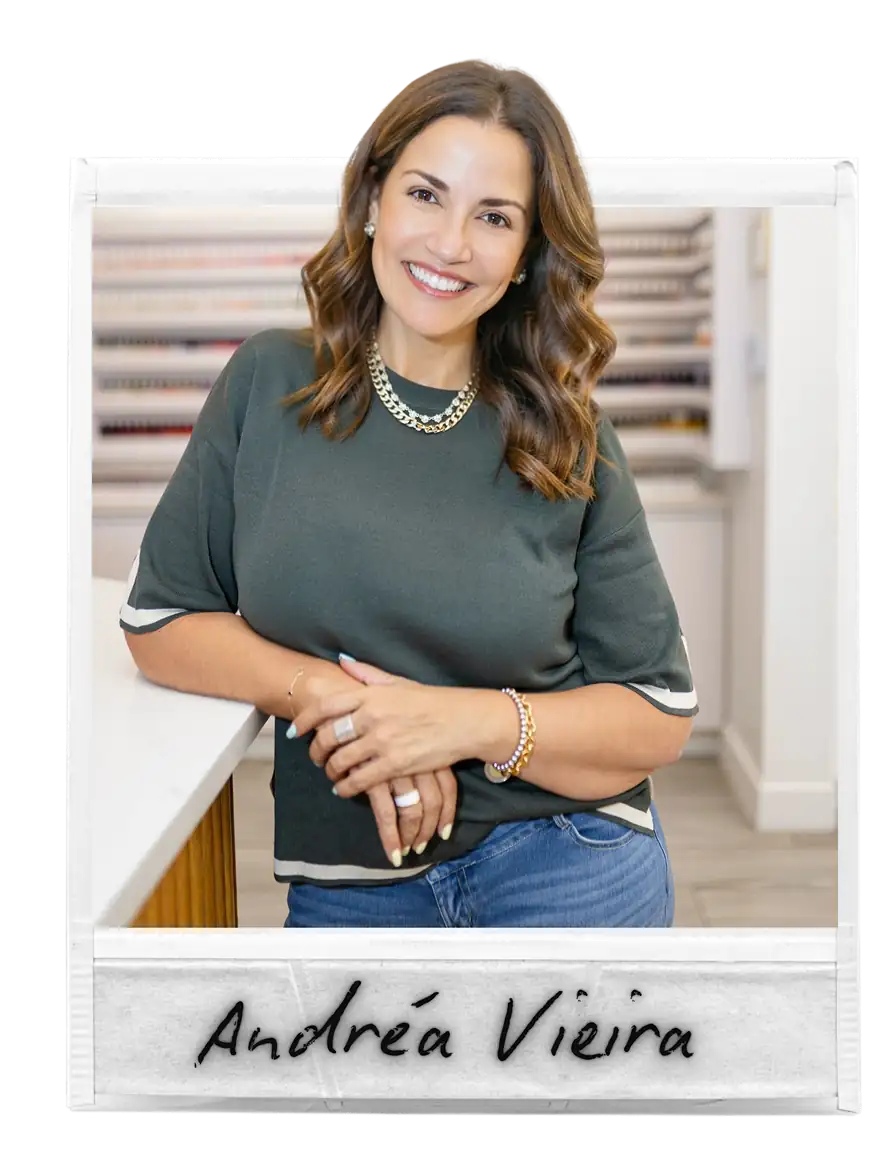

Andréa Vieira
Most Likely To
Build the Standard,
Then Raise It
Then Raise It
Andréa Vieira grew up in Brazil and spent her twenties telling other people's stories — for Discovery Channel, National Geographic, and the Gates Foundation, documenting what was broken and what was beautiful across the world. It was a bad manicure in a Seattle salon that set everything in motion. In 2014, she quit her job, moved to Washington, D.C., and launched nailsaloon, a luxury, non-toxic nail salon concept built on standards the industry had ignored.
“Latina entrepreneurs prove strength and joy aren't opposites. Quite the contrary, they're exactly what allow us to build resilient businesses, while remaining a little loud, a little colorful, and a lot full of life.”
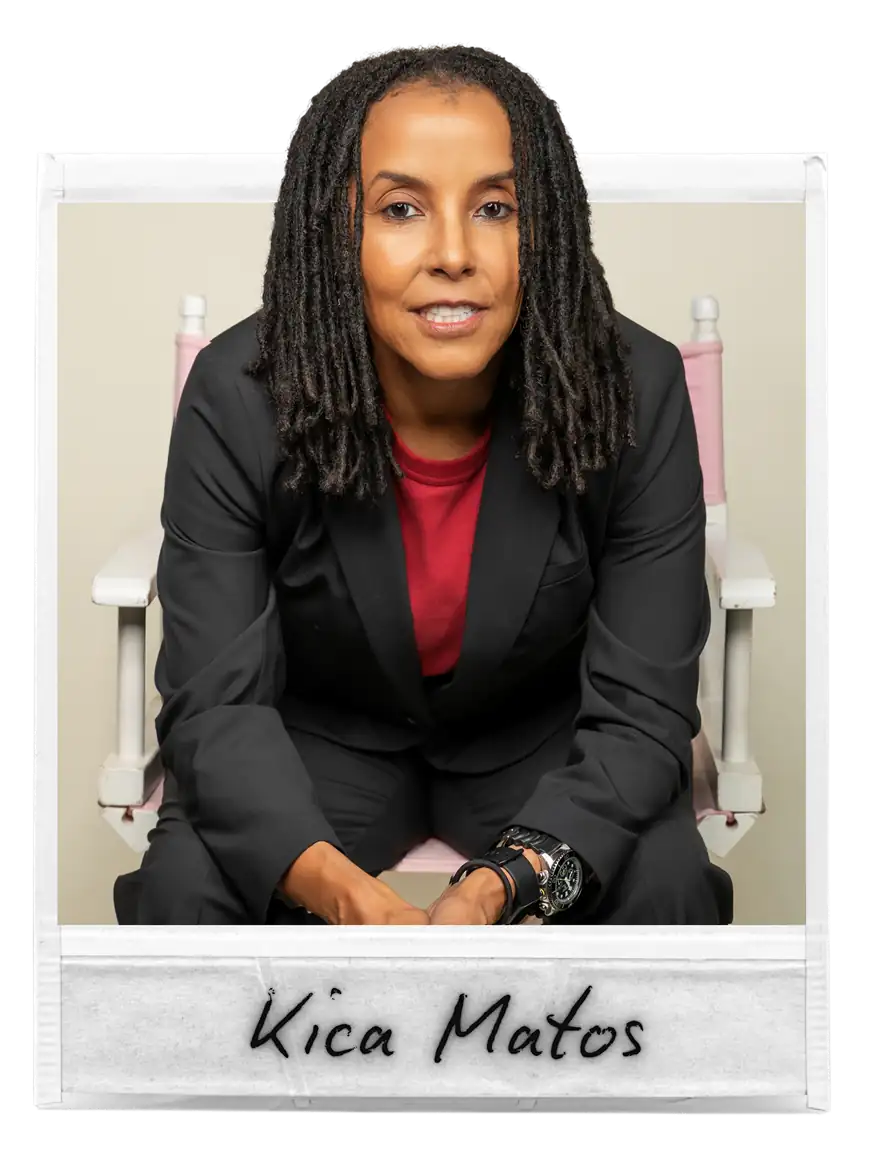
Kica Matos
Most Likely To
Carry the Fight
Further
Further
Kica Matos was born in Puerto Rico, grew up in Trinidad and Fiji, and went to college in New Zealand, which is to say she learned, very early, that the world was larger and more unjust than any single island could contain. Today, as president of the National Immigration Law Center and the Immigrant Justice Fund, and one of TIME's 100 Most Influential People of 2026, Matos is doing what she has always done: naming what is happening, preparing for every possible scenario, and refusing to let joy be the next thing taken away.
“Let's remember that we are carrying the fight of those who came before us — the ones who survived so we could stand here today. That's not a weight. That's the reason. And don't mistake tired for done.”
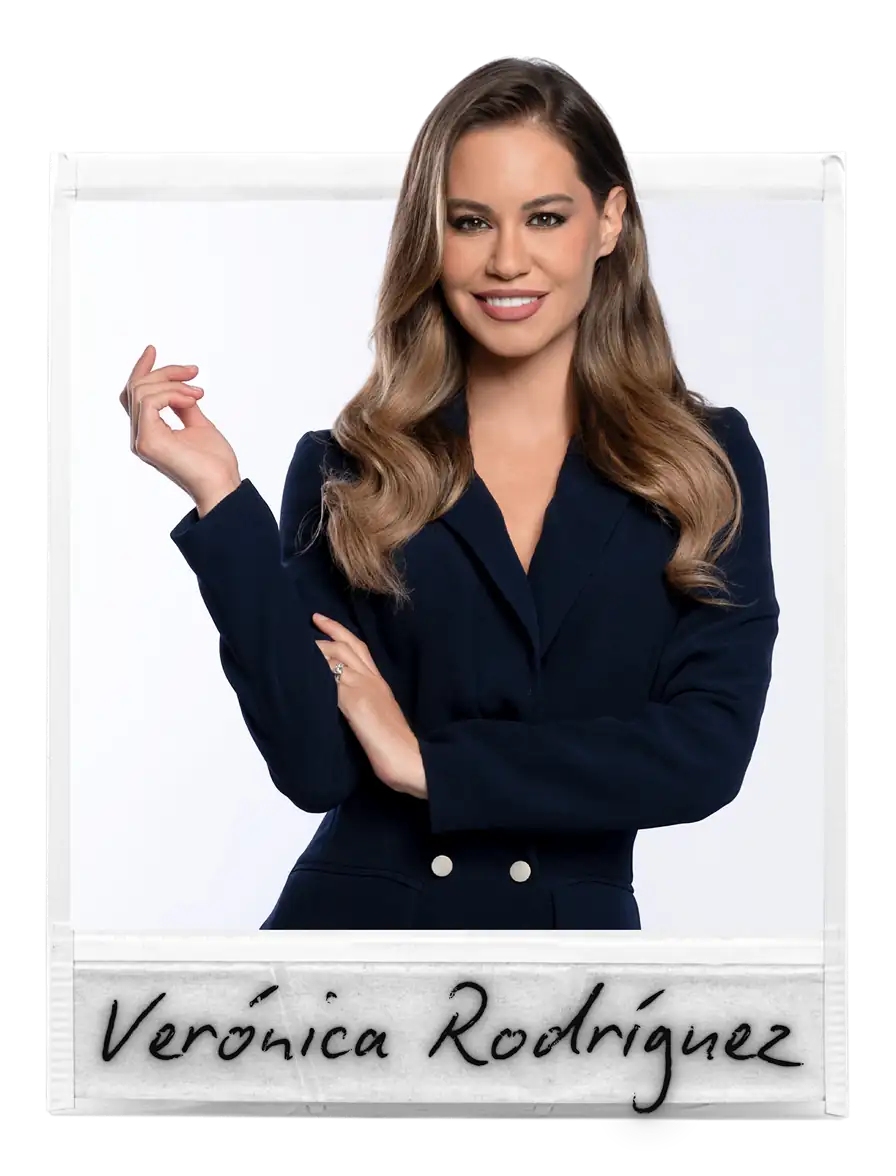
Verónica Rodríguez
Most Likely To
Call the Game in the
Language of Home
Language of Home
Verónica Rodríguez grew up in a house where fútbol was the family language, the noise in the house, the reason you went to grandma's, the ritual that ran through her father, her grandfather, her sister, and Pumas. She became the first woman to call an NBA game on Spanish-language broadcast television in the United States, and wept on the plane when the record was confirmed. She has been in the stands since she was a girl. Now she holds the mic.
“We've already seized the microphone. Now it's time to make an impact with our stories.”
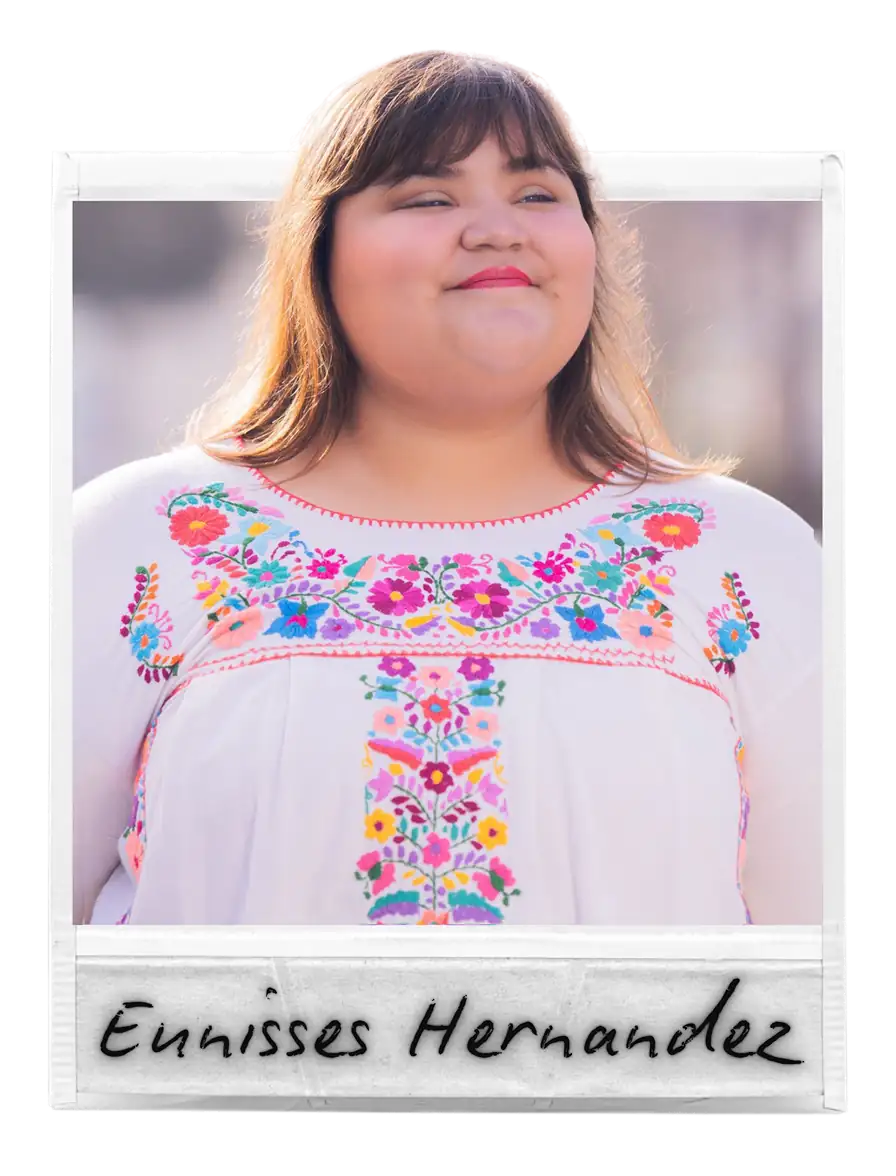
Eunisses Hernandez
Most Likely To
Turn One “No” Into
a Movement
a Movement
Eunisses Hernandez grew up in Highland Park, the daughter of Mexican immigrants, hearing her mother's voice telling her that if she could fight for her community, she had to. Today, as the youngest, plus-size, Latina member of the Los Angeles City Council and after a successful re-election campaign in 2026, Hernandez is doing what she has always done: standing alone until she doesn't have to, turning MacArthur Park into a place where people can survive, and proving the seats she holds "were not built for us" can be built for us anyway.
“There’s a saying many Latinas grow up hearing: calladita te ves más bonita, or, you’re prettier when you’re quiet. I’ve dedicated my career to practicing the opposite by speaking truth to power.”
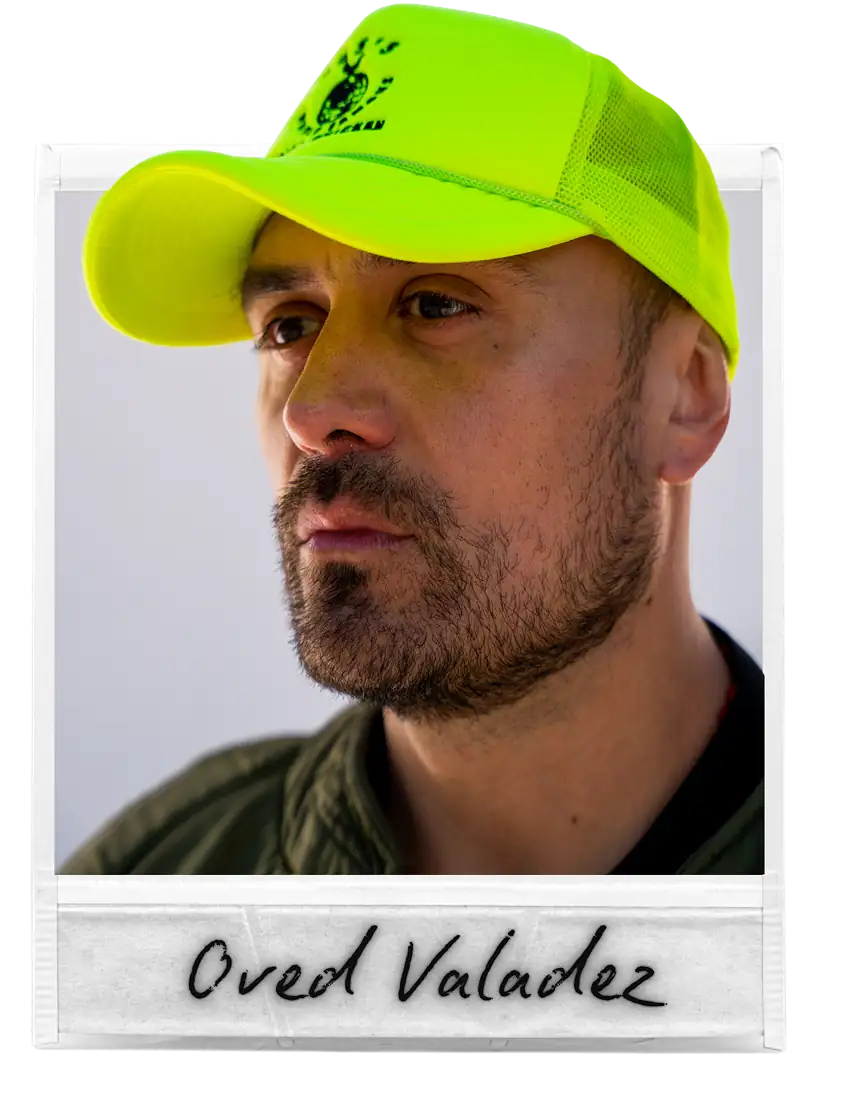
Oved Valadez
Most Likely To
Build in the Space
Between
Between
Oved Valadez is the Co-Founder and Executive Creative Director of INDUSTRY, a creative consultancy that helps global brands build culturally relevant ideas at the intersection of sport, entertainment, and innovation. Over the past two decades, he has led award-winning work for brands including Nike, YouTube, Google, Converse, Timberland, HP, and Almavé, creating platforms such as Nike’s global TOMA initiative and the rebrand of Leagues Cup, while also advising globally recognized figures including Canelo Alvarez and Travis Scott on brand and creative strategy. Born in Mexico and raised in the United States after immigrating as a child, Oved brings a perspective rooted in culture, community, and the belief that the most impactful brands are built by creating meaningful experiences that people genuinely connect with.
“No one handed me the mic. I took it.”
Victoria Leandra
Most Likely To
Prove the Audience
Was Always There
Was Always There
Victoria Leandra grew up in Bayamón, Puerto Rico. Today, as founder of LEANDRA MEDIA and a contributor to The Washington Post and HuffPost, with work recognized by the Smithsonian's National Museum of American History, Leandra is doing what she has been doing since Bayamón: telling the stories no editor was willing to bet on, building "Home, Elsewhere," a travel and culture series exploring what home means for Latino communities around the world, beginning in Tokyo, and proving that the audience was always there, waiting. She would choose to be Boricua in every lifetime.
“Our stories matter because we make them matter.”
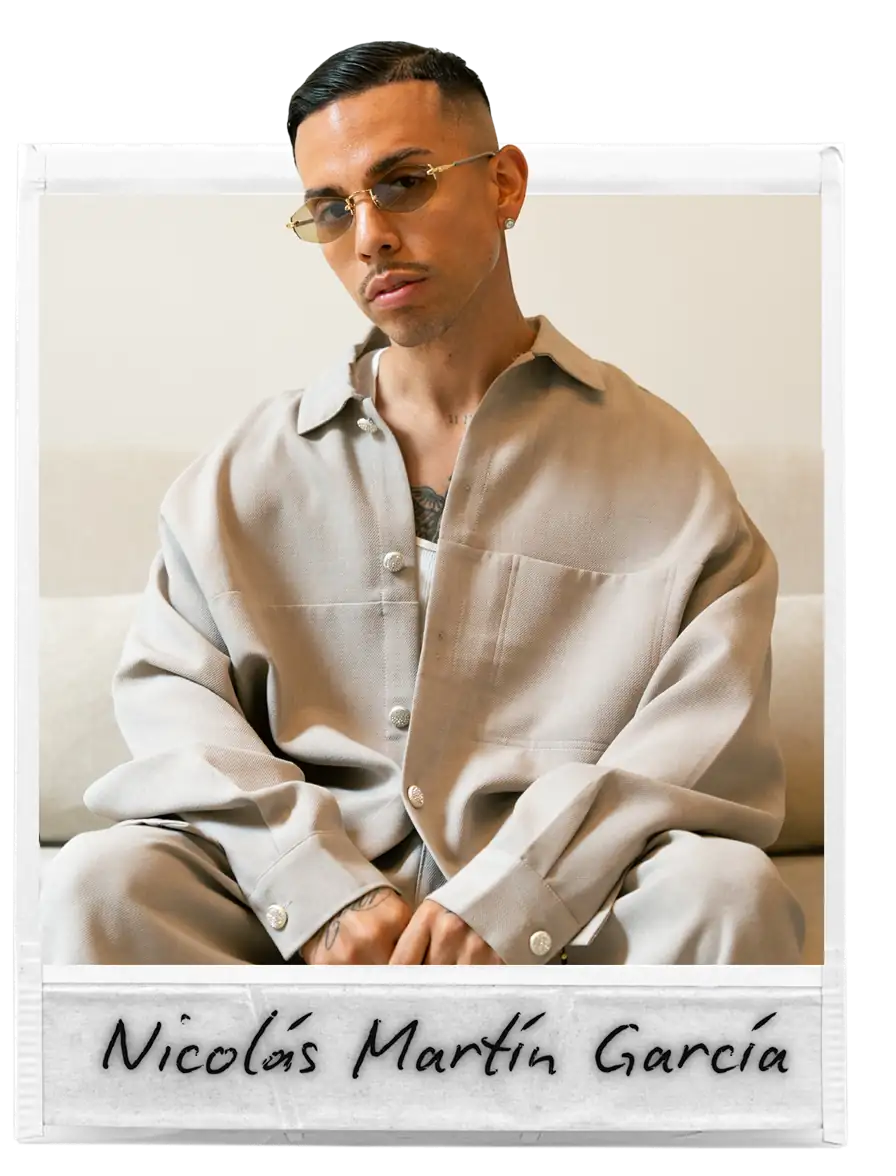
Nicolás Martín García
Most Likely To
Revolutionize the
Fashion Industry
Fashion Industry
Nicolás Martín García arrived in Italy at age five, born in Bogotá with family roots in Bucaramanga and Medellín. On June 20, 2026, his brand GARCIAS became the first Colombian fashion brand in history to present on the official Milan Fashion Week calendar of the Camera Nazionale della Moda Italiana. He’s thirty-five years old, building a universe from Colombian cultural references shaped by Italian craftsmanship, and honoring the woman who told him, roughly fifteen years ago when she didn't know where the money would come from, that she would figure it out.
“Being Latino can't be explained. It's something you feel.”
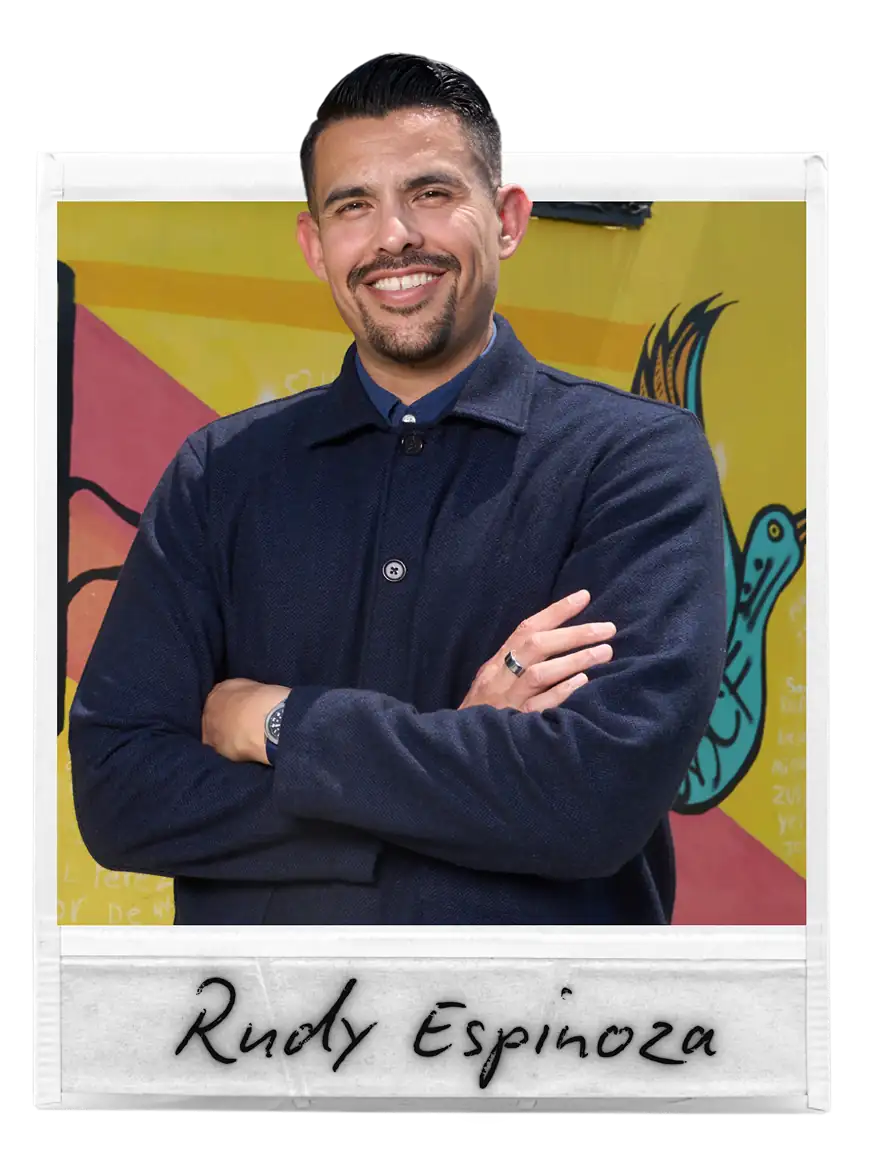
Rudy Espinoza
Most Likely To
Turn Curiosity
Into Policy
Into Policy
Rudy Espinoza grew up watching his mother work long hours as a restaurant server, undocumented, raising him and his younger brother alone. He was the first in his family to pursue higher education, and what the course gave him was recognition. As president and CEO of Inclusive Action for the City, Espinoza helped legalize street vending in Los Angeles, sued the IRS to stop it from sharing undocumented taxpayer data with ICE, and built an organization that showed up for the community during the wildfires and the raids.
“I believe any problem can be solved if we begin with curiosity and a persistent pursuit of answers.”
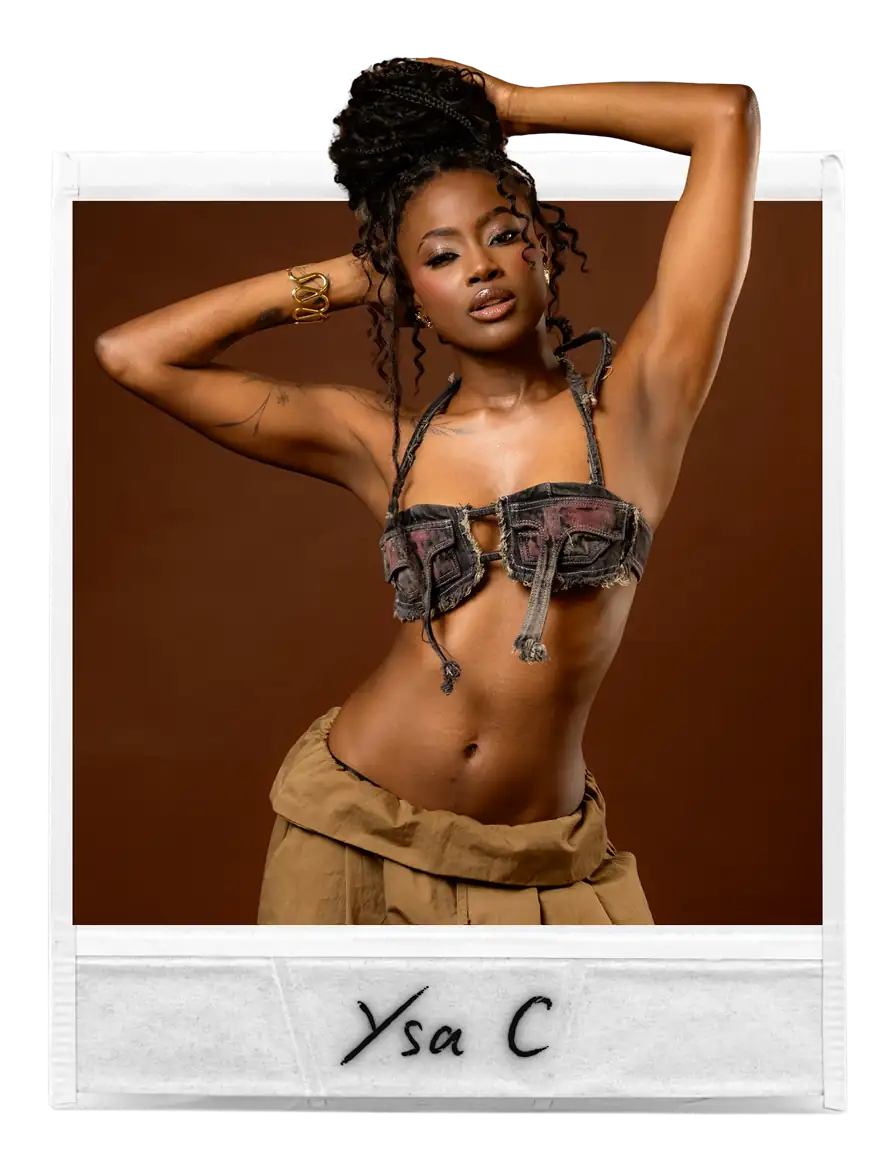
Ysa C
Most Likely To
Make the Industry
Make Room
Make Room
Ysa C grew up in Cali, Colombia, putting on choreographed shows in the street with her cousins every time someone in the family came home from a trip. She started navigating the industry with a borrowed map, but then, watching Hamilton, the Afro-Colombian artist from Cartagena, open a different path for Afrobeat in Latin music, confirmed what she already knew. She has been making Afrobeat ever since. Today, at 24, she is a Premio Lo Nuestro-nominated artist and the creator of "No Llegamos Ni A Febrero," the lead single from her EP, Mientras Llega el Sol.
“I am the Black woman in the industry. And be careful, I’m coming with everything.”
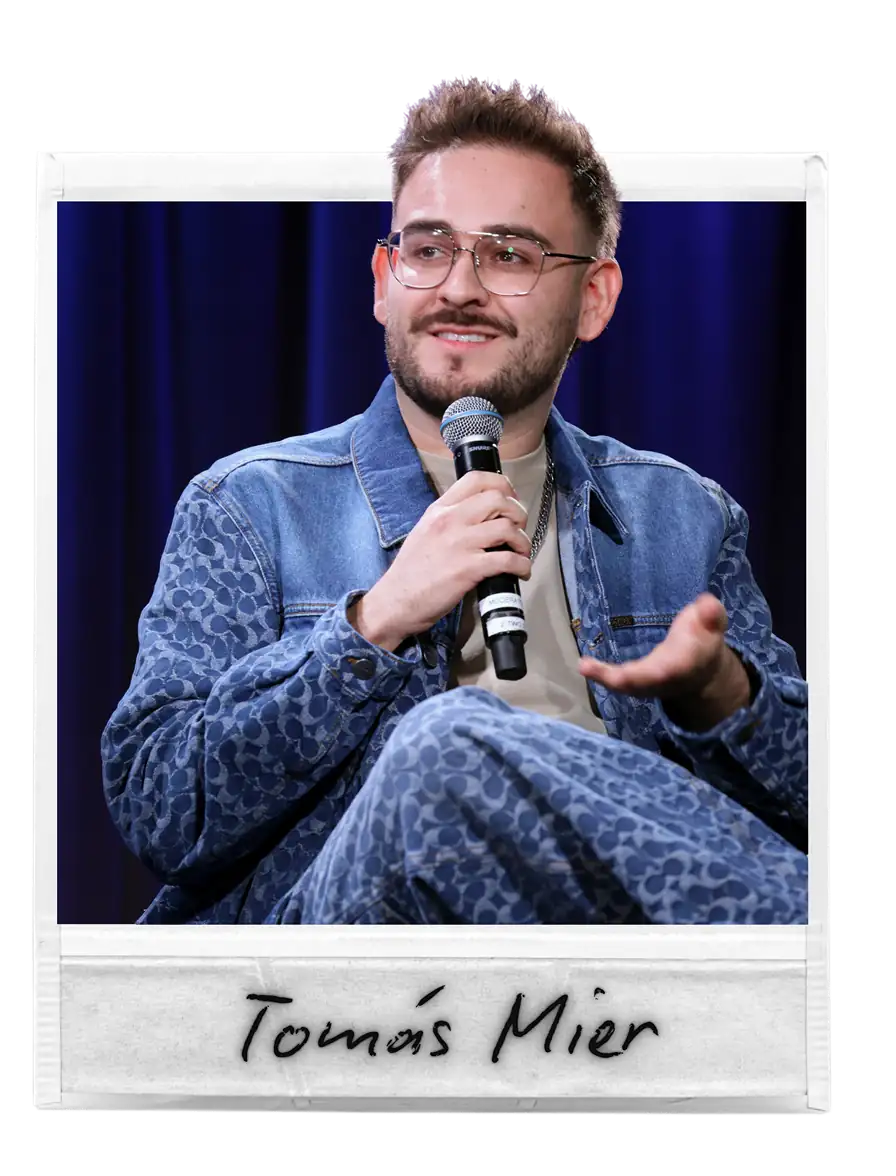
Tomás Mier
Most Likely To
Write the Culture
Into the Record
Into the Record
Tomás Mier is a music journalist, most recently a staff writer at Rolling Stone, and a digital creator specializing in pop and Latin music. He is the author of the Ken Regan photography book, Madonna: Into the Groove. Tomás has interviewed stars such as Charli XCX, Lady Gaga, Katy Perry, Christina Aguilera, and other icons. His work has appeared in Vogue Mexico, Variety, Los Angeles Times, Hollywood Reporter, and Billboard. He regularly hosts conversations at the Grammy Museum with artists such as Ellie Goulding, Sabrina Carpenter, and Benson Boone. Mier lives in Los Angeles.
“You can't ignore us when we hold the power.”
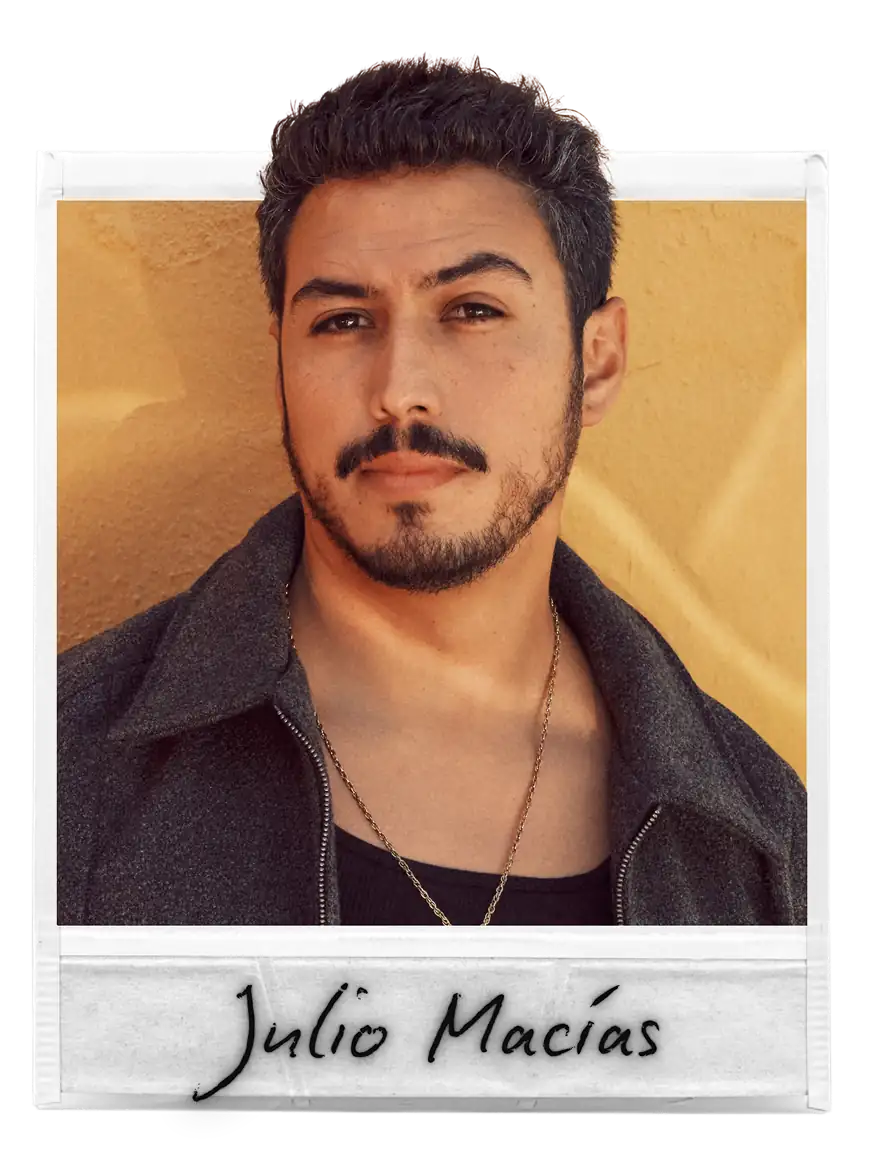
Julio Macías
Most Likely To
Build the Table
Instead of Asking
for a Seat
Instead of Asking
for a Seat
Julio Macías was born in Mexico, trained for the stage at Circle in the Square, and studied film at the New York Film Academy. He broke through playing Oscar "Spooky" Diaz on Netflix's "On My Block," with a layered performance that broke stereotypes and won the audience's heart, and carried that same instinct into "Selena: The Series," "The Rookie," "SWAT," and the upcoming "Poser." He’s also producing music videos and films for artists like Prince Royce, and Gloria Trevi, and developing a slate of Spanish-language features for the Mexican market.
“Our youth is our legacy; if we enrich them with culture, a sense of dignity and self-worth, they will naturally and organically include more of what makes us unique into the larger culture.”
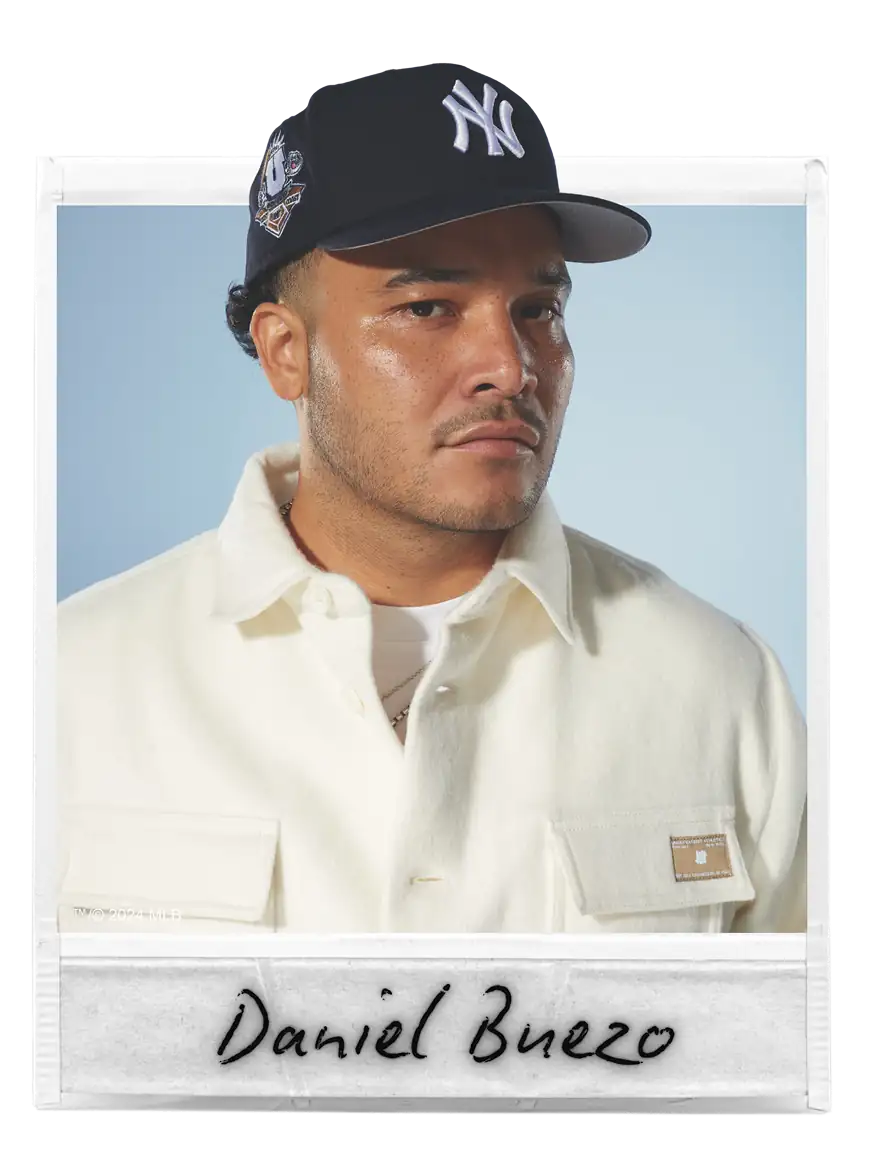
Daniel Buezo
Most Likely To
Give the Community
a Storefront
a Storefront
Daniel Buezo grew up between New York and New Jersey as a first-generation Honduran-American. In 2016, he co-founded Kids Of Immigrants with Weleh Dennis in Los Angeles, building the brand around the stories, resilience, and creativity of immigrant communities. What started as a grassroots project grew, over the next decade, into a globally recognized name, one that has collaborated with Nike, Converse, Buchanan's, and many more without losing its founding mission to support your friends, spread love, and build opportunity through community.
“The UNITY of CommUNITY Create OpportUNITY.”
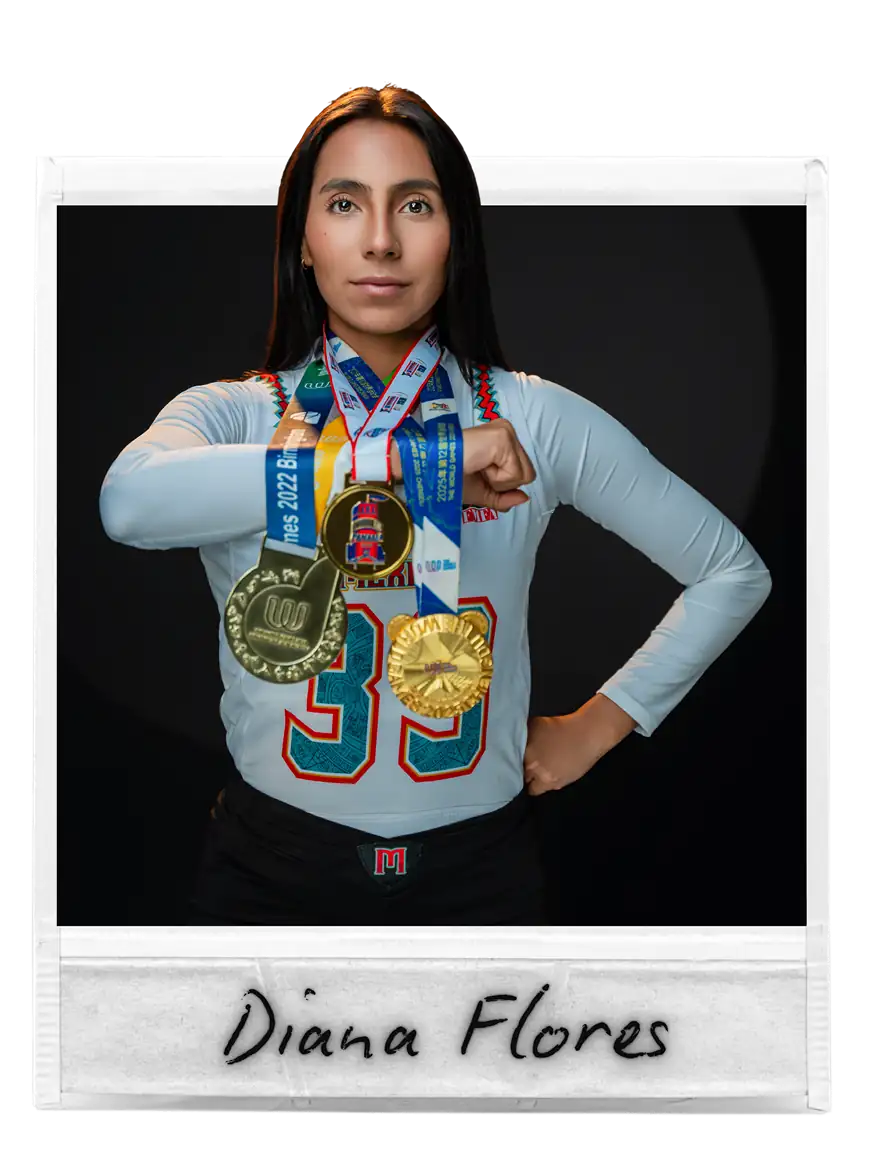
Diana Flores
Most Likely To
Rewrite Who Gets
to Play
to Play
Diana Flores is the captain and quarterback of Mexico's National Flag Football Team. She led Mexico to gold at the 2022 World Games, then repeated the win in 2025. These titles helped elevate the sport on a global stage and made her an ambassador for both the NFL and the International Federation of American Football. Off the field, she keeps breaking barriers. TIME named her to its 100 Most Influential People in Sports this year. The Women's Sports Foundation gave her its 2025 "Re-Writing the Game" Award and a seat on its Board of Trustees. Forbes placed her on its "30 Under 30" list in 2024. She also starred in the NFL's "Run With It" Super Bowl campaign.
“We are proof that you don't have to choose one identity to win at the highest level.”
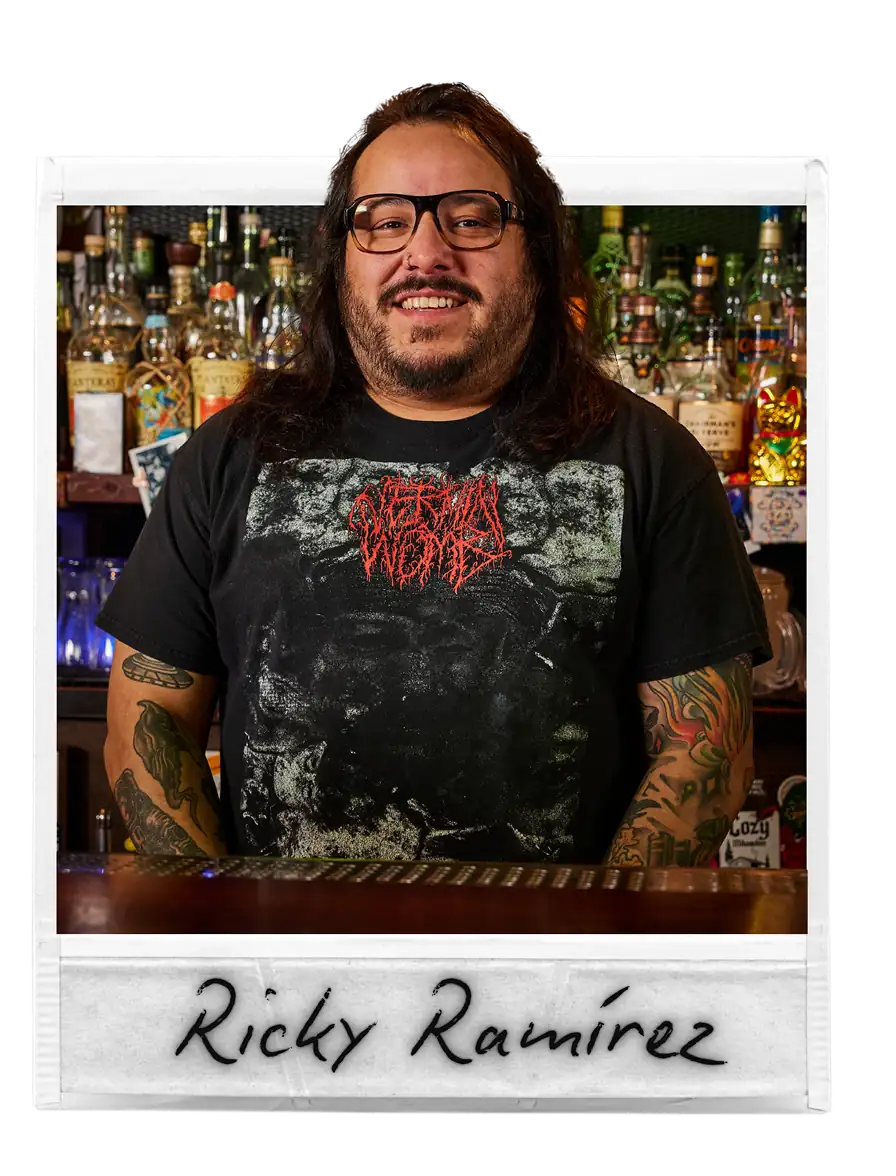
Ricky Ramírez
Most Likely To
Turn a Second
Chance Into a
Second Life
Chance Into a
Second Life
Ricky Ramírez was on a pre-law track in college when a near-death car accident rewired what he wanted out of life. He walked away from that path and into bartending, working top cocktail bars across the country before coming home to Milwaukee's Bay View neighborhood, to open The Mothership in 2019. The bar has become one of the most talked-about rooms in a city just now getting national attention for its food and drink scene. Ramírez has talked openly about what it means to build something in the place his family sacrificed to give him.
"I think there's a burden Latinos wear, and as we get older, we forget that at some point the reason we are here is because of a sense of urgency someone in our family felt just to exist.